You’ve gotten your list of contacts together for your RED book now. Remember to keep them updated with current cell phone numbers, addresses from a move and new family additions.
It’s time to move on to a tactical plan.
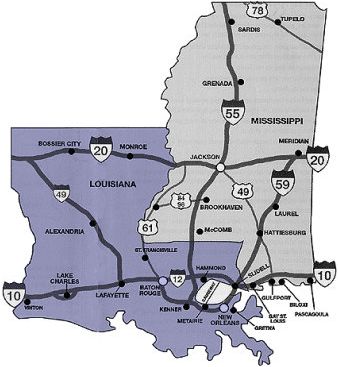
Pick at least one meeting point for the family to gather if an epic emergency were to strike. More than one (under differing circumstances) is advisable. Set the places and the circumstances so everyone knows when to go where.
This can be in your own town if others can get to it (that’s why more than one is a good idea in case your area is not the best choice). Figure out first where the place(s) will be.
Another thing that happens in a large emergency is that people tend to run in circles or go by old patterns, not realizing that situations may change your very environment. Don’t go by habit when real awareness is important.
Your next step is to get a few optional maps of how to get from where you currently live to a family meeting point. Why a few options? If roads are closed due to damage or bridges out due to weather, more than one choice may be needed. The last thing you want to do is be relying upon ‘business as usual’ when business isn’t usual!
If you don’t know where to start, many counties have emergency evacuation routes pulbished on line. The exact route may or may not be one of your choices, but it may give you a good idea of how to start.
Print a few alternate routes and put them in the next section of your RED book. This keeps you from wondering and wandering in an emergency.
Remember this is to prepare you, not to panic you!
Happy Preparation!
The Millers
Popular Questions
What should you include when choosing a meeting point for Your RED book: Step 2 – A Meeting Point, Maps & Routes?
Choose a safe location that everyone can reach if your usual home or workplace is inaccessible. Your RED book should list a primary meeting point and a backup point, preferably in familiar public places away from hazards. Record the full addresses, access details, and contact information so each person can find them quickly.
How can maps improve Your RED book's meeting point and route planning?
Add clear maps to Your RED book showing your home, meeting points, nearby landmarks, and important roads. Mark more than one route in case a street is blocked, flooded, or unsafe. Use printed maps as well as digital directions, since phone networks, batteries, or navigation services may not be available during an emergency.
What routes should be recorded in Your RED book: Step 2 – A Meeting Point, Maps & Routes?
Record at least two practical routes from home, work, school, or other regular locations to the chosen meeting point. Include routes for walking, driving, and public transport when those options are relevant to your household. Check the routes regularly and update them when roads, transport services, access points, or meeting locations change.
How should families practise the meeting point, maps, and routes in Your RED book?
Review the plan together and make sure every household member knows where to meet and which route to use. Walk or drive the routes in advance so you can identify locked gates, difficult crossings, mobility barriers, or other problems. Repeat the exercise periodically and give children or vulnerable adults simple instructions they can follow without relying on a phone.
Auto Amazon Links: No products found.