Ensuring a reliable dry grain food supply is crucial for maintaining food security and resilience against potential shortages. With the increasing unpredictability of global food systems, understanding how to source, store, and utilize dry grains effectively can safeguard your household against food scarcity. This knowledge not only empowers individuals to make informed decisions but also enhances community resilience in the face of challenges.
Many people underestimate the importance of quality and proper storage methods for dry grains. Common pitfalls include purchasing low-quality grains or neglecting to consider the impact of environmental factors on grain longevity. Furthermore, the lack of strategic planning for grain usage can lead to waste and increased costs. By focusing on sustainable practices and prioritizing quality, individuals can significantly improve their food security.

Understanding Dry Grains
Dry grains encompass a variety of staples, including rice, beans, lentils, and various types of cereals. Each grain has its unique nutritional profile and shelf life, making it vital to understand their characteristics. For instance, whole grains like brown rice offer more nutrients compared to refined grains, while legumes are excellent protein sources.
In the context of food supply, the focus should be on selecting grains that not only meet dietary needs but also have longer shelf lives. Many consumers assume that all grains are created equal; however, factors like harvest time, processing methods, and storage conditions can greatly affect their quality and longevity. Prioritizing whole, unprocessed grains can yield significant benefits in terms of nutrition and storage viability.
Storage Solutions for Longevity
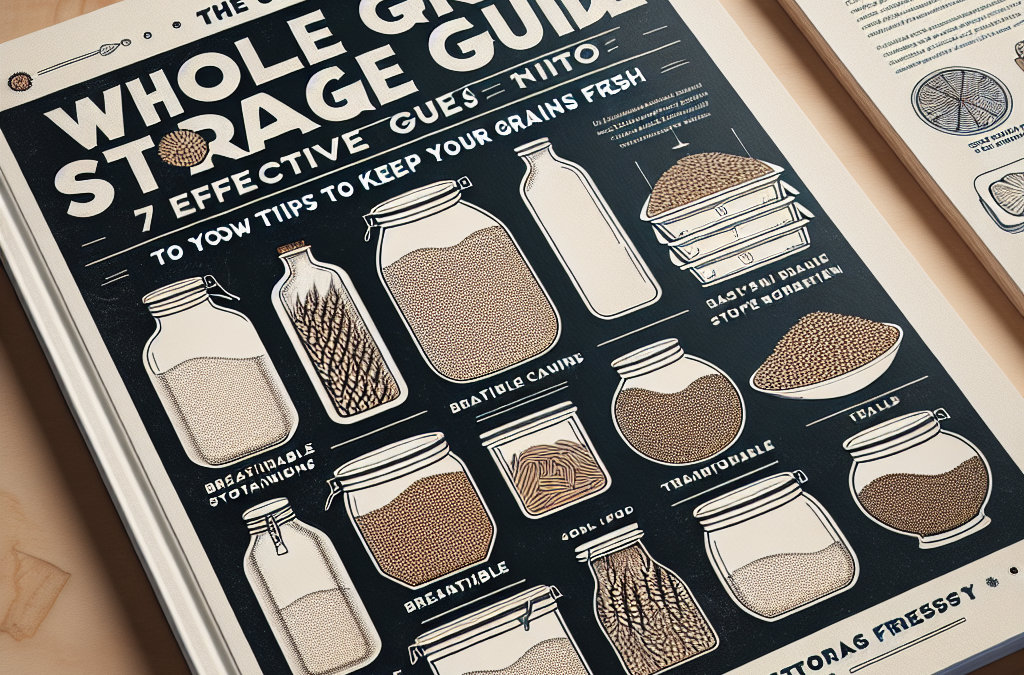
Proper storage of dry grains is essential to prevent spoilage and ensure that they remain edible for extended periods. Common methods include using airtight containers, vacuum sealing, and keeping grains in cool, dark places. Each method has its advantages and can be chosen based on personal circumstances.
Many people overlook the importance of humidity control in grain storage. High moisture levels can lead to mold growth and pest infestations, ultimately ruining the supply. Ensuring that grains are stored in a dry environment is crucial. Additionally, incorporating oxygen absorbers in storage containers can further extend the shelf life of grains, making them a smart investment for any food supply strategy.
Sourcing Quality Grains
Finding high-quality dry grains can be a challenge, especially for those who rely on local supermarkets. Options such as bulk buying from health food stores, farmers’ markets, or even online suppliers can provide better quality grains at competitive prices. When sourcing, look for organic certifications or local products to ensure freshness and sustainability.
One common mistake is assuming that all grains labeled as ‘whole’ are of high quality. It’s essential to check for freshness, packaging dates, and any signs of damage. Building relationships with local farmers or suppliers can also yield better insights into the sourcing process and help secure a more reliable supply of quality grains.
Utilizing Grains in Daily Meals
Incorporating dry grains into daily meals can enhance nutritional value and promote food security. Grains can be used in various forms, including whole, sprouted, or ground into flour. This versatility allows for creative meal planning, which can help reduce waste and maximize the use of available supplies.
Get Whole Wheat Flour, Grains and Milling Supplies – CLICK HERE

However, many individuals struggle with meal planning and often revert to repetitive recipes, leading to grain waste. To combat this, consider diversifying your cooking methods and experimenting with different cuisines that feature grains prominently. Additionally, planning meals around seasonal availability can help balance grain usage and maintain a varied diet.
Further Reading
Authoritative Sources
- Food and Agriculture Organization
fao.orgThis source provides comprehensive information on global food security and grain supply management
- Grain Farmers of Ontario
grains.caA valuable resource for understanding grain sourcing and quality standards in Canada
- National Institutes of Health
ncbi.nlm.nih.govResearch articles on the nutritional benefits of various dry grains
Frequently Asked Questions
What are the best dry grains for storage?
Some of the best dry grains for storage include rice, quinoa, barley, and lentils, as they have longer shelf lives and nutritional benefits.
How should I store dry grains?
Store dry grains in airtight containers in a cool, dark place to prevent spoilage and pest infestations.
How long can dry grains be stored?
Depending on the type, dry grains can be stored for several years if kept in proper conditions, with some lasting over a decade.
Can I freeze dry grains for longer storage?
Yes, freezing dry grains can extend their shelf life by preventing pest infestations and slowing down degradation.
What are some easy recipes using dry grains?
Common recipes include grain salads, soups, and grain-based side dishes, which can be adapted to use various types of dry grains.
Conclusion
Ultimately, maintaining a reliable dry grain food supply hinges on understanding the types of grains available, implementing effective storage solutions, sourcing quality products, and creatively utilizing grains in daily meals. By prioritizing these aspects, individuals can enhance their food security and resilience against potential shortages. Start by assessing your current grain supply and consider adjustments to improve quality and usability for the long term.
Related Content
- Food Security and Grain Storage: Effective Methods for Protecting Harvests and Ensuring Supply
- Top 10 Effective Whole Grain Storage Solutions for 2025: Ultimate Guide
- Mastering Food Storage for Long Term Use: Strategies for a Resilient Pantry
- How to Safely Transfer Grains Between Containers: Methods and Precautions
- RED (Real Emergency Directions) Book – Next Step – Tab Markers
Auto Amazon Links: No products found.