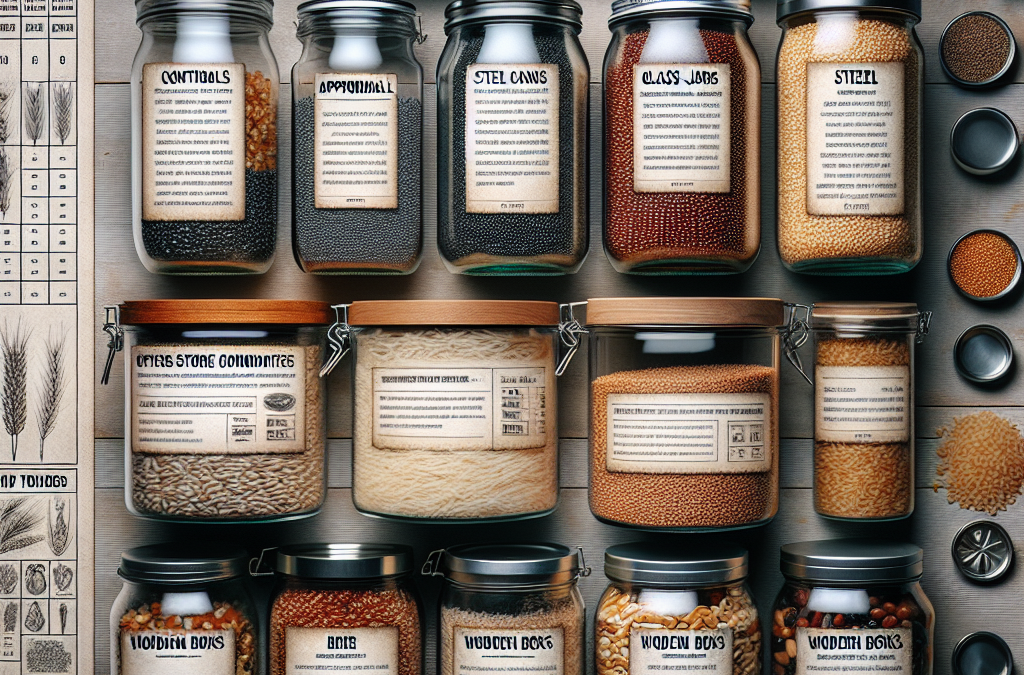
Understanding the specific requirements of different grains, including their moisture content and ideal storage conditions, is crucial. Proper packaging in airtight containers helps prevent spoilage and pest infestations, which can lead to significant waste. It’s also important to regularly check and rotate your supplies, ensuring that older items are used first to maintain freshness.
Many individuals overlook the importance of environmental factors such as temperature and humidity when storing grains. Ensuring a cool, dark, and dry location can significantly extend the shelf life of your food supplies. Additionally, creating a comprehensive inventory system can help track your stock and avoid over-purchasing or missing essential items.
Choosing the Right Grains for Emergency Preparedness
Selecting the right grains is fundamental for an effective emergency food and grain setup. Common choices include rice, beans, wheat, and oats, each offering unique benefits. Rice is highly versatile and has a long shelf life, while beans are rich in protein and fiber. Wheat can be ground into flour, providing options for baking and cooking.
When considering which grains to store, think about your dietary preferences and nutritional needs. It’s also wise to include a variety of grains to avoid monotony in meals. Remember to check for any allergies or dietary restrictions within your household to ensure everyone has access to safe food options.
Many people mistakenly believe that all grains are created equal, but understanding the differences in nutritional value and storage requirements is critical. For instance, whole grains tend to have a shorter shelf life compared to white rice. Prioritizing grains with longer shelf lives can help in maintaining a more reliable food supply.
Effective Storage Solutions for Grains
Storing grains effectively is essential for maximizing their shelf life. Airtight containers are recommended to keep moisture and pests at bay. Glass jars, food-grade plastic buckets, and Mylar bags with oxygen absorbers are popular options. Each type of container has its advantages, depending on your storage space and budget.
It’s important to label containers with the contents and the date of storage. This practice helps in keeping track of freshness and ensures that older grains are used first. Additionally, consider the temperature of the storage area; a cool, dark place is ideal for preventing spoilage.
Many individuals underestimate the impact of environmental factors on grain storage. For instance, storing grains in a warm, humid environment can lead to mold growth and spoilage. Taking the time to choose the right storage location can significantly enhance the longevity of your supplies.
Monitoring and Maintaining Your Supplies
Regular monitoring of your emergency food and grain setup is crucial for ensuring its effectiveness. This includes checking for signs of spoilage, pest infestations, and ensuring the integrity of your containers. Establishing a routine for inspecting your supplies will help you identify issues early and take corrective action.
Creating a rotation system, where older items are used before newer ones, can prevent waste and ensure that your food supply remains fresh. Additionally, keeping a detailed inventory can help in planning meals and tracking usage, making it easier to know when to replenish supplies.
Get Whole Wheat Flour, Grains and Milling Supplies – CLICK HERE

Many people fail to realize that neglecting their food storage can lead to unforeseen shortages during emergencies. Prioritizing regular checks and maintenance can prevent last-minute panic and ensure you are always prepared.
Further Reading
Authoritative Sources
- Food Safety During Emergencies
ready.govThis resource provides guidelines on food safety and storage during emergencies, helping you make informed decisions
- FDA Food Safety Modernization Act
fda.govOffers comprehensive information on food safety regulations and best practices for food storage
- Food Safety Resources
nutrition.govA collection of food safety resources that address proper storage and handling of food supplies
Frequently Asked Questions
What types of grains are best for emergency food storage?
Rice, beans, wheat, and oats are among the best choices due to their long shelf life and nutritional value.
How should I store grains for optimal freshness?
Use airtight containers like glass jars or food-grade buckets, and store them in a cool, dark, and dry place.
How often should I check my emergency food supplies?
Regular checks should be conducted at least every six months to ensure there are no signs of spoilage or pest infestations.
Can I mix different types of grains in storage?
Yes, mixing grains can provide variety in your diet, but ensure they are stored in separate containers for ease of tracking.
What are common mistakes to avoid in grain storage?
Common mistakes include neglecting to check for pests, failing to rotate supplies, and storing grains in warm or humid environments.
Conclusion
Ultimately, establishing an effective emergency food and grain setup is essential for ensuring long-term preparedness. By carefully selecting the right grains, utilizing proper storage solutions, and maintaining regular monitoring, you can create a reliable food supply. Remember to prioritize freshness and variety, and be proactive in addressing potential issues to maximize the effectiveness of your setup. Taking these steps will empower you to face emergencies with confidence and security.
Get Whole Wheat Flour, Grains and Milling Supplies – CLICK HERE
Related Content
- Whole Grain Pairings for Wine and Cheese Nights
- The Ultimate Guide to how to prepare grains for storage in 2025: 7 Effective Strategies
- Best Containers for Prepping Food: Essential Types and Features for Efficient Meal Prep
- How to Protect Grains from Humidity Damage: Effective Methods and Common Mistakes
- The Ultimate Guide to Storing grains in plastic buckets: 5 Effective Tips for 2025
Auto Amazon Links: No products found.