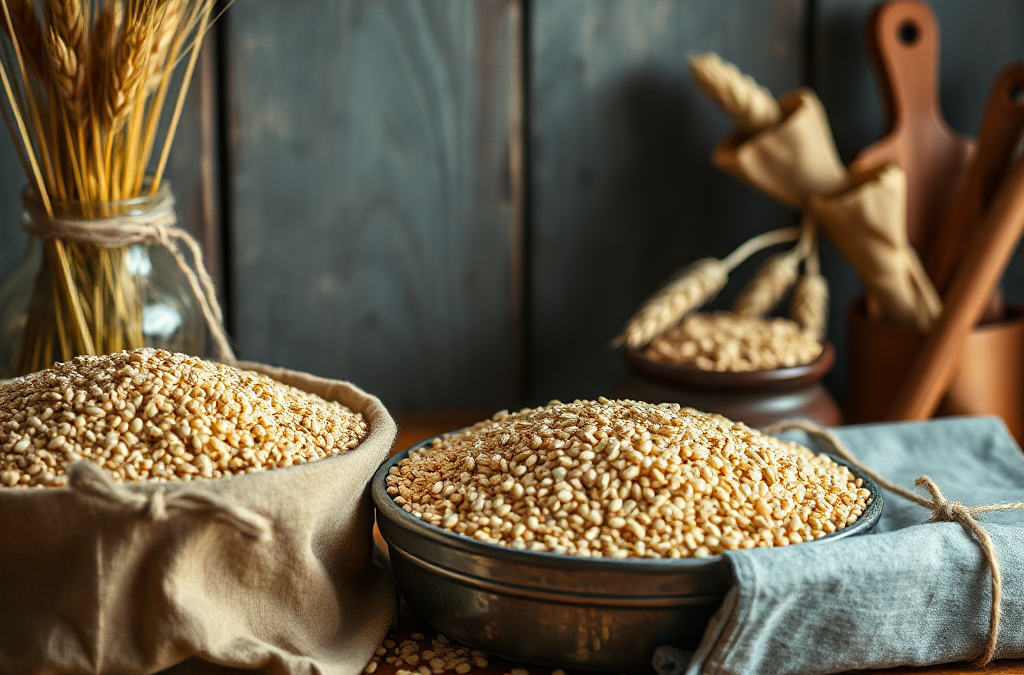
To effectively store grains for survival, utilize airtight containers like food-grade buckets or glass jars to prevent moisture and pest intrusion. Maintain a cool, dark environment with temperatures between 50°F and 70°F and humidity levels below 15% to prolong shelf life. Regularly inspect your storage for signs of pests or moisture, and rotate your stock to ensure freshness. Label containers with the grain type and storage date to facilitate easy access and management. By following these practices, you can significantly enhance the longevity and viability of your grain supply during emergencies.
Choosing the Right Storage Containers
To effectively store grains, selecting the right type of container is paramount. Airtight containers, such as food-grade plastic buckets or glass jars with sealing lids, are ideal for preventing moisture and pests from compromising your stock. Metal containers are also suitable but should be lined to prevent rust, especially if exposed to humidity. Additionally, consider the size of your containers; smaller containers can be beneficial for easy rotation and access, while larger ones are useful for bulk storage.
When choosing containers, ensure they are clean and dry before filling them with grains. Any residual moisture can lead to mold growth, which is detrimental to grain longevity. Labeling your containers with the type of grain and the date of storage is a good practice that helps in inventory management and rotation.
Optimal Conditions for Grain Storage
Grains need to be stored in conditions that minimize exposure to moisture, light, and temperature fluctuations. The ideal storage environment is cool, dry, and dark. Aim for temperatures between 50°F and 70°F, as higher temperatures can accelerate spoilage and pest activity. Humidity levels should be kept below 15%, which can be monitored using a hygrometer.
Storing grains in basements or closets away from direct sunlight is recommended. If this is not possible, consider using UV-blocking materials to cover your storage area. Regularly check the environment for any signs of moisture or temperature changes, and adjust accordingly to maintain optimal conditions.
Pest Control and Maintenance
One of the biggest threats to stored grains is pests, such as weevils and moths. To prevent infestations, inspect your grains regularly for any signs of pests. Using diatomaceous earth in your storage containers can help deter pests without introducing harmful chemicals. It’s also wise to keep the storage area clean and free from food debris that could attract pests.
Regular maintenance includes rotating your stock by using the oldest grains first, which helps prevent spoilage and keeps your supply fresh. This practice is known as FIFO (First In, First Out) and is essential in maintaining an effective grain storage system.
Common Mistakes to Avoid
One common mistake survivalists often make is neglecting to regularly check their stored grains. Without routine inspections, issues such as moisture buildup or pest infestations can go unnoticed, leading to significant losses. Another mistake is overestimating the lifespan of grains without proper storage conditions; even the hardiest grains can spoil if not stored correctly.
Furthermore, many neglect the importance of labeling their containers or fail to keep an inventory of their supplies. This can lead to confusion and result in using older grains while newer ones are forgotten. Keeping an organized system helps ensure that your grain supply remains effective during times of need.
Frequently Asked Questions
What types of containers are best for grain storage?
Airtight containers, such as food-grade plastic buckets or glass jars with sealing lids, are ideal for grain storage.
How can I tell if my stored grains are still good?
Check for signs of moisture, pests, or off smells. If grains appear discolored or have a strange odor, they may be spoiled.
What is the best temperature for storing grains?
Grains should ideally be stored at temperatures between 50°F and 70°F to prevent spoilage.
How often should I check my grain storage?
It's recommended to check your grain storage at least once every three months to ensure optimal conditions and prevent issues.
Can I store different types of grains together?
While possible, it's best to store different types of grains separately to avoid cross-contamination and make management easier.
Conclusion
Effective grain storage is essential for survivalists looking to maintain a reliable food supply. Prioritize using airtight containers, maintaining optimal environmental conditions, and conducting regular checks to prevent pest infestations. By avoiding common mistakes and keeping an organized inventory, you can ensure that your grains remain viable and useful when needed most. Start implementing these strategies today to safeguard your grain supply for the future.
Get Whole Wheat Flour, Grains and Milling Supplies – CLICK HERE

Auto Amazon Links: No products found.