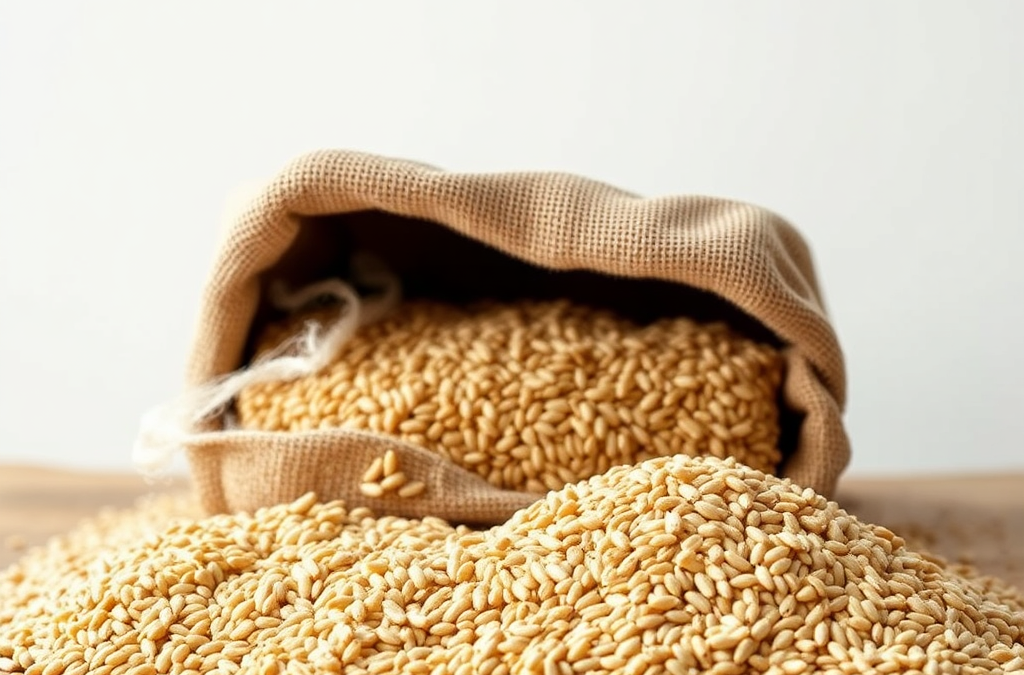
To store grains in varying climates, ensure proper temperature control, humidity management, and pest prevention. Use airtight containers to minimize moisture absorption and maintain a cool, dark environment to prevent spoilage. In humid areas, consider adding desiccants to reduce moisture, while in dry climates, maintaining adequate humidity levels is crucial to avoid grain brittleness. Understanding local climate conditions will help you choose the best storage solutions.
Understanding Climate Impacts on Grain Storage
Grain storage is significantly influenced by the surrounding climate, as both humidity and temperature can affect the quality and longevity of stored grains. High humidity levels can lead to moisture absorption, encouraging mold growth and pest infestations, while extreme heat can cause grains to spoil rapidly. Conversely, in dry climates, grains may lose moisture too quickly, leading to brittleness and reduced quality. Understanding these dynamics is essential for selecting appropriate storage methods.
In tropical regions, where humidity is often high, grains must be stored in airtight containers to prevent moisture ingress. In contrast, cooler, drier climates may require different approaches, such as using moisture-retaining materials to keep grains from becoming too dry. Monitoring local weather patterns, including seasonal changes, can provide insights into necessary adjustments for successful grain storage.
Choosing the Right Containers
The choice of storage containers is crucial for preserving grain quality across different climates. Airtight containers made from materials like food-grade plastic or glass are ideal for preventing moisture and pest entry. Metal containers can also be effective but may require additional coatings to prevent rust in humid environments.
For large-scale storage, silos equipped with humidity control systems can be used. These systems often incorporate fans or dehumidifiers that help regulate the internal climate, ensuring optimal conditions for grain preservation. It’s important to select containers that are appropriate for the volume of grain being stored and to ensure that they are clean and dry before use.
Humidity Control Techniques
Effective humidity control is essential for storing grains, especially in regions with high moisture levels. One common technique involves using desiccants, such as silica gel, which absorb excess moisture within storage containers. Placing desiccants in airtight containers can significantly extend the shelf life of grains by maintaining a low-humidity environment.
In addition to desiccants, regular monitoring of humidity levels is vital. Hygrometers can be used to track moisture levels inside storage containers. If humidity levels rise above recommended thresholds, additional desiccants or ventilation may be necessary to restore balance. Implementing these techniques can help prevent mold growth and maintain grain quality.
Temperature Management Strategies
Temperature control is another critical factor in grain storage. Ideally, grains should be stored in cool, dark locations to minimize heat exposure, which can accelerate spoilage. In hot climates, it may be necessary to implement cooling systems, such as air conditioning or refrigeration, especially for sensitive grains like rice or wheat.
Using insulated storage methods can also help maintain stable temperatures. For example, burying containers underground or using insulated sheds can provide natural temperature regulation. Regular temperature checks are essential to ensure that stored grains remain within ideal ranges, preventing spoilage and maintaining quality over time.
Pest Prevention Methods
Pests pose a significant threat to grain storage, particularly in warm, humid climates. Implementing robust pest prevention methods is essential to protect stored grains from infestations. First, ensure that all storage areas are clean and free of debris, as this can attract pests. Regular inspections of storage containers for signs of pest activity are also crucial.
In addition to maintaining cleanliness, consider using natural pest deterrents such as diatomaceous earth or essential oils that repel insects. For larger storage facilities, integrated pest management (IPM) programs can be effective in controlling and preventing pest populations through a combination of monitoring, sanitation, and targeted treatments.
Get Whole Wheat Flour, Grains and Milling Supplies – CLICK HERE

Frequently Asked Questions
What is the ideal humidity level for grain storage?
The ideal humidity level for grain storage is typically between 12% and 14%. Maintaining this range helps prevent mold growth and spoilage.
How can I tell if my grains have spoiled?
Signs of spoilage include an off smell, discoloration, or the presence of mold. If grains feel excessively damp or have an unusual texture, they may be spoiled.
Are plastic containers safe for storing grains?
Yes, food-grade plastic containers are safe for storing grains as they are designed to prevent chemical leaching and maintain grain quality.
How often should I check on stored grains?
It is advisable to check stored grains every few weeks for signs of moisture, pests, or spoilage. Regular monitoring ensures timely intervention if issues arise.
What temperature is best for storing grains?
The best temperature for storing grains is typically between 50°F and 70°F (10°C to 21°C). Keeping grains cool helps prevent spoilage and maintains quality.
Conclusion
Storing grains effectively in varying climates requires careful attention to humidity, temperature, and pest control. By selecting appropriate storage containers, implementing humidity and temperature management techniques, and maintaining cleanliness to prevent pests, you can ensure the longevity and quality of your grains. Regular monitoring and adjustments based on climate conditions will further enhance your grain storage success. Prioritize these practices to protect your grain investments and maintain their nutritional value.
Get Whole Wheat Flour, Grains and Milling Supplies – CLICK HERE
Auto Amazon Links: No products found.