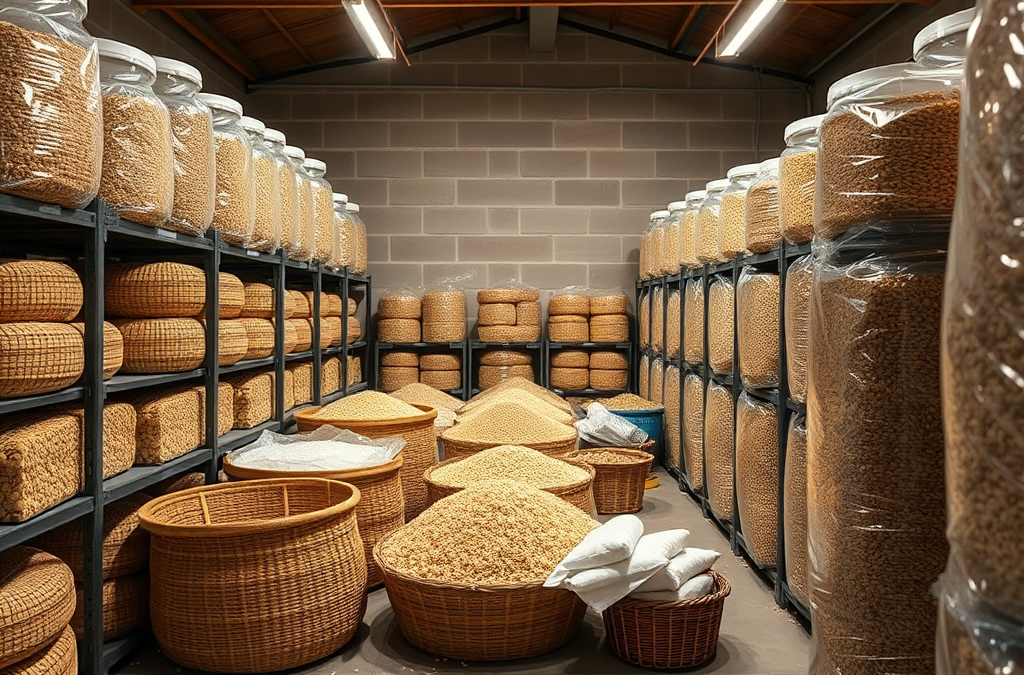
To optimize space for grain storage, it is essential to utilize vertical stacking and modular storage solutions effectively. By maximizing vertical space, you can significantly increase storage capacity without expanding the footprint of your facility. Implementing multi-tiered shelving or securely stacked bins not only enhances organization but also facilitates easier access to different grain types. Additionally, maintaining proper airflow is crucial; this helps prevent spoilage and ensures the quality of the stored grain. A common mistake is neglecting the structural integrity of your storage system, which can lead to accidents and losses.
Understanding Grain Storage Needs
Effective grain storage requires a clear understanding of the specific needs of the grain being stored, including moisture content, temperature, and pest control. Each type of grain has unique storage requirements that can affect its longevity and quality. Misjudging these factors can lead to spoilage, waste, and financial losses.
For instance, grains like wheat and corn may require different humidity levels for optimal storage. Understanding these requirements not only helps in selecting the right storage solutions but also informs how to arrange and manage the storage space effectively. One common mistake is underestimating the importance of proper storage conditions, which can result in significant losses.
Maximizing Vertical Space
One of the most effective ways to optimize grain storage is to make use of vertical space. Grain bins and silos can be stacked or arranged to take advantage of height, allowing for more storage without expanding the footprint of the storage area. This not only saves space but also enables easier access to the grain.
Vertical storage solutions can include multi-tiered shelving systems or specially designed bins that can be stacked securely. It is essential to ensure that the structure is stable and safe to prevent accidents. Additionally, utilizing vertical space can enhance the organization of stored grains, making it easier to identify and retrieve specific types.
However, one must consider the weight distribution and structural integrity of the storage system. Poorly designed vertical storage can lead to collapses or damage to the grain. Always prioritize safety and durability when implementing vertical solutions.
Utilizing Modular Storage Solutions
Modular storage systems offer flexibility that can significantly enhance the optimization of grain storage. These systems can be adjusted, expanded, or reconfigured based on changing storage needs. For example, if a particular type of grain is in higher demand, additional modules can be added without the need for extensive renovations.
Modular solutions typically include stackable containers and bins that can be moved and adjusted as needed. This adaptability is especially beneficial for businesses that face fluctuating storage requirements throughout the year. Additionally, modular systems can improve accessibility, allowing for easier rotation of stock and reducing the risk of spoilage.
However, it is crucial to ensure that these systems are designed for the specific weight and characteristics of the grains being stored. Using inappropriate storage units can lead to structural failures or grain damage.
Ensuring Proper Airflow and Climate Control
Proper airflow is critical in grain storage to prevent moisture buildup, which can lead to spoilage and pest infestations. Implementing ventilation systems that allow for adequate air circulation helps maintain optimal humidity and temperature levels, crucial for preserving grain quality.
Climate control should not be overlooked, especially in regions with fluctuating temperatures. Maintaining a consistent environment can prevent condensation and mold growth. Utilizing fans, dehumidifiers, and temperature sensors can aid in achieving a stable climate for stored grains.
A common misconception is that once grains are stored, they require little to no monitoring. In reality, regular checks and maintenance of storage conditions are necessary to ensure the longevity of the grain. Failure to do so can result in significant losses.
Get Whole Wheat Flour, Grains and Milling Supplies – CLICK HERE

Frequently Asked Questions
What are the best materials for grain storage?
Common materials for grain storage include steel, aluminum, and reinforced plastic, as they are durable and resistant to pests.
How can I prevent pests in grain storage?
Regular cleaning, sealing entry points, and using pest traps can help prevent infestations in grain storage areas.
What is the ideal humidity for storing grains?
The ideal humidity level for most grains is between 12-14%, depending on the type, to prevent spoilage and mold growth.
How often should grain storage conditions be checked?
Grain storage conditions should be checked at least once a month to ensure optimal humidity and temperature levels are maintained.
Can grains be stored long-term?
Yes, grains can be stored long-term if proper conditions are maintained, including temperature control, humidity management, and pest prevention.
Conclusion
Optimizing space for grain storage involves understanding specific grain needs, utilizing vertical and modular storage solutions, and ensuring proper airflow and climate control. By implementing these strategies, not only can storage efficiency be improved, but the quality and longevity of the grains can also be preserved. Regular monitoring and adjustments to storage conditions are crucial for maintaining optimal environments and preventing spoilage.
Get Whole Wheat Flour, Grains and Milling Supplies – CLICK HERE
Auto Amazon Links: No products found.
Further Reading
Authoritative Sources
- 9 Ways to Improve Your Grain Storage System
ridgetopfarmsupply.comSometimes the right solution is additional storage. Other operations may benefit more from improved aeration, a higher-capacity conveyor, better ...
- 14 Long-term Grain Storage Tips for Better Market Results
tsgcinc.comMonitor your grain through the entire storage period. A small area of heated or out of condition grain can quickly spread out of control. The ...
- Grain Storage Best Practices for Long-Term Grain Protection
agtech.folio3.comFor long-term storage, sealed and aerated grain bins are considered the best option because they protect against moisture, pests, and ...
- A Farmer's Guide To Grain Storage Best Practices
farmshopmfg.comVentilation: Adequate airflow is essential for preventing hot spots and maintaining uniform temperature distribution. Proper ventilation systems ...