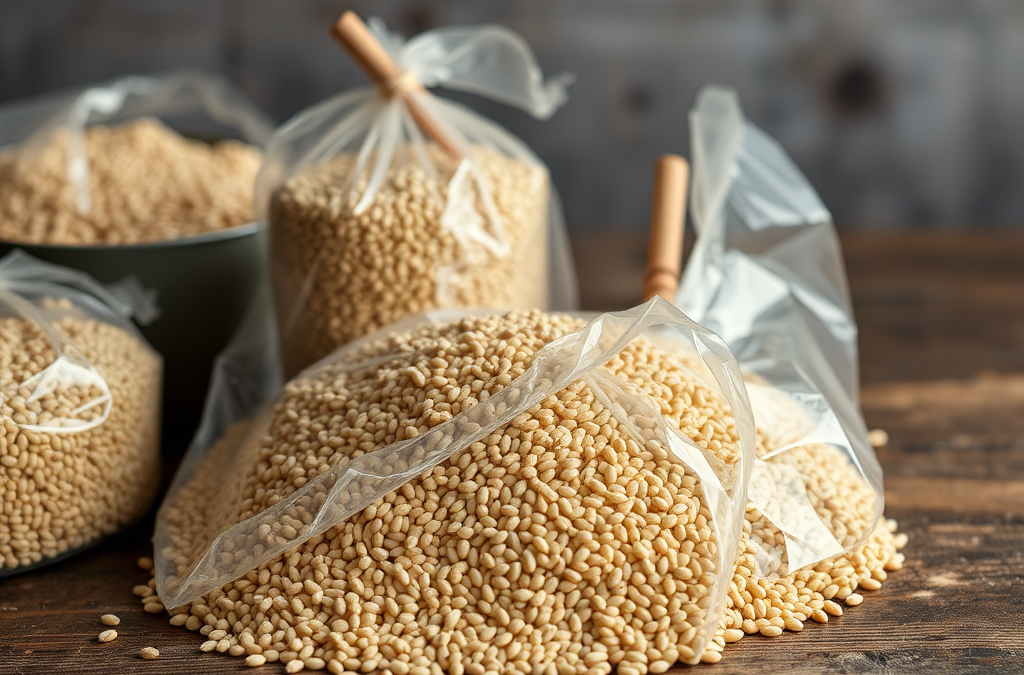
To effectively seal grains from air exposure, utilize vacuum sealing, airtight containers, or food-grade storage bags. These methods significantly reduce moisture and oxygen contact, which are critical in preventing spoilage and pest infestations. For optimal results, consider incorporating desiccants to absorb any excess moisture in your storage environment. Regularly inspect seals for integrity, as even minor breaches can lead to compromised grain quality and reduced shelf life. By implementing these techniques, you can ensure that your grains remain fresh and nutritious for an extended period.
Understanding Air Exposure and Its Effects on Grains
Air exposure significantly affects the quality and longevity of stored grains. When grains are exposed to air, they can undergo oxidation, leading to rancidity and nutrient degradation. Moreover, moisture in the air can promote mold growth and attract pests, both of which can compromise grain quality. Understanding the effects of air exposure is crucial for anyone looking to store grains effectively.
Many consumers underestimate the importance of sealing grains properly. For instance, wheat exposed to air can develop a stale taste or become infested with insects. These issues not only reduce the edibility of the grains but can also lead to economic losses. Therefore, recognizing the risks associated with air exposure is the first step toward effective grain storage.
Effective Sealing Techniques for Grains
There are several effective techniques for sealing grains to protect them from air exposure. The most common methods include vacuum sealing, using airtight containers, and employing food-grade storage bags. Each method has its own advantages and is suitable for different types of grains and storage conditions.
Vacuum sealing is one of the most effective methods for removing air from packaging. This technique involves placing grains in a vacuum-sealable bag and using a vacuum sealer to extract the air before sealing the bag. This method is particularly beneficial for long-term storage, as it minimizes the risk of spoilage and preserves the grains’ nutritional value.
Airtight containers, such as glass jars or plastic bins with tight-fitting lids, also provide excellent protection against air exposure. When using these containers, it’s essential to ensure that they are clean and dry before filling them with grains. This method is convenient for short- to medium-term storage and allows for easy access to the grains when needed.
Food-grade storage bags are another viable option for sealing grains. These bags are designed to protect food from moisture and air, making them suitable for various grain types. When using storage bags, it’s important to remove as much air as possible before sealing them to maximize freshness.
Choosing the Right Materials for Sealing
Selecting the right materials for sealing grains is vital to ensuring their longevity. The choice of sealing materials can influence the effectiveness of the storage method and the overall quality of the grains. Factors to consider include moisture resistance, durability, and the ability to limit air exposure.
For vacuum sealing, it’s crucial to use high-quality vacuum bags designed for food storage. These bags are thicker and more durable than standard plastic bags, providing better protection against punctures and tears. Additionally, they are often designed to withstand freezing, making them suitable for long-term grain storage in cold environments.
Airtight containers should be made from materials that do not react with the contents. Glass and food-grade plastic are excellent choices, as they do not impart flavors or odors to the grains. Ensure that the containers have tight-fitting lids to create a proper seal. Avoid using containers that have previously held non-food items, as they may contain residues that could affect the grains.
When using storage bags, opt for food-grade options that are designed to resist moisture and air permeability. These bags should be labeled as suitable for food storage to ensure they meet safety standards.
Common Mistakes to Avoid When Sealing Grains
Even with the best techniques and materials, mistakes can still occur when sealing grains. One common mistake is failing to clean and dry containers or bags before filling them. Residual moisture can lead to mold growth and spoilage, undermining the efforts made to seal the grains effectively.
Get Whole Wheat Flour, Grains and Milling Supplies – CLICK HERE

Another mistake is not removing enough air from the packaging. Inadequate air removal can lead to oxidation and spoilage, negating the benefits of sealing. When using vacuum sealers, make sure to follow the manufacturer’s instructions for optimal air removal.
Additionally, some individuals may overlook the importance of checking seals regularly. Over time, seals can degrade or become compromised, allowing air and moisture to enter. Regularly inspect your storage solutions and replace any that show signs of wear or damage.
Frequently Asked Questions
What is the best way to store grains long-term?
The best way to store grains long-term is by vacuum sealing them in food-grade bags or using airtight containers to minimize air and moisture exposure.
How can I tell if my grains have gone bad?
Signs that grains have gone bad include an off smell, discoloration, mold growth, or the presence of insects. If you notice any of these signs, it's best to discard the grains.
Can I use regular plastic bags for storing grains?
While regular plastic bags can be used, they are not recommended for long-term storage as they may not provide adequate protection against air and moisture. Use food-grade storage bags instead.
How often should I check my sealed grains?
It’s advisable to check your sealed grains every few months to ensure that the seals remain intact and that there are no signs of spoilage or pests.
Is it necessary to use desiccants when sealing grains?
Using desiccants can be beneficial as they help absorb excess moisture, further protecting grains from spoilage due to humidity.
Conclusion
Effectively sealing grains from air exposure is essential for maintaining their quality and longevity. By utilizing proper sealing techniques, selecting the right materials, and avoiding common mistakes, you can ensure that your grains remain fresh and nutritious for extended periods. Regularly checking your storage methods and being proactive about moisture control will further enhance the preservation of your grains, making them a reliable food source for your needs.
Get Whole Wheat Flour, Grains and Milling Supplies – CLICK HERE
Auto Amazon Links: No products found.