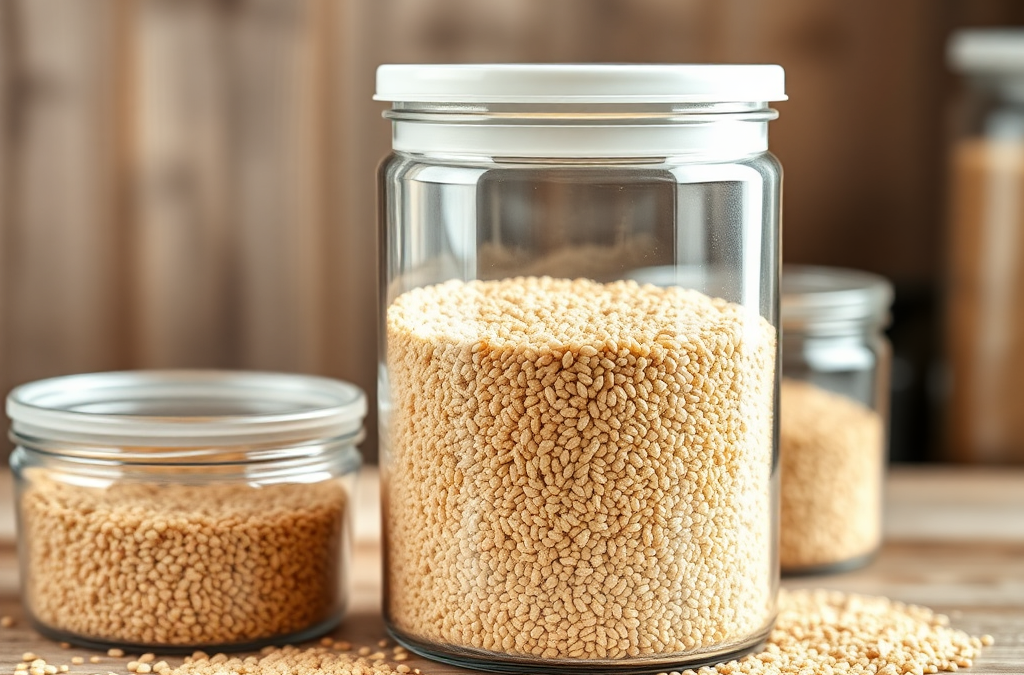
To assess the best storage conditions for grains, focus on maintaining optimal temperature, humidity, and airflow. Ideal temperatures range from 30°F to 50°F, while humidity should remain below 14% to prevent spoilage and mold growth. Implementing effective ventilation is essential to ensure air circulation and deter pests. Regularly monitor these conditions using technology like temperature sensors and moisture meters to quickly address any fluctuations. A common mistake is ignoring seasonal changes, which can lead to unexpected spoilage; therefore, adapting storage methods to local climate variations is vital for preserving grain quality.
Understanding Temperature Control
Temperature control is a critical factor in assessing storage conditions for grains. Maintaining a stable, cool temperature is essential to prevent spoilage and preserve quality. Ideally, grains should be stored at temperatures between 30°F and 50°F, as higher temperatures can accelerate spoilage and pest infestations. In warm climates, cooling systems or insulated storage units may be necessary to achieve these temperatures.
For example, a grain storage facility in a region with high ambient temperatures might use refrigerated storage to maintain the ideal conditions. Conversely, in cooler climates, natural ventilation may suffice. It’s crucial to regularly monitor temperature fluctuations, as even short periods of elevated heat can lead to significant quality degradation.
One common mistake is neglecting to account for seasonal temperature changes. Storing grains without considering the local climate can lead to unintentional spoilage. Therefore, implementing an efficient insulation system and temperature monitoring technology is advisable to adapt to environmental changes.
Managing Humidity Levels
Humidity is another vital factor in grain storage, as excessive moisture can lead to mold growth and spoilage. Ideally, humidity levels should be kept below 14% to prevent these issues. To manage humidity effectively, consider using dehumidifiers or moisture absorbers in storage areas.
For instance, a grain farmer may find that using desiccants can significantly reduce moisture levels in sealed storage containers. Additionally, regularly checking moisture content using a moisture meter can help identify potential problems before they escalate.
A common misconception is that sealing grains in airtight containers will automatically prevent moisture issues. While this can help, it’s essential to ensure that the initial moisture content is already low. Regular checks and adjustments are necessary to maintain optimal humidity levels.
Ensuring Proper Ventilation
Proper ventilation is crucial for maintaining grain quality during storage. Adequate airflow helps regulate temperature and humidity, reducing the risk of spoilage and pest infestations. Ventilation systems should be designed to allow for constant airflow without introducing external contaminants.
For example, a well-designed grain storage facility might include fans and vents strategically placed to promote airflow throughout the storage area. This setup can help disperse heat and moisture, preventing condensation that can lead to spoilage.
Get Whole Wheat Flour, Grains and Milling Supplies – CLICK HERE

However, many operators underestimate the importance of airflow. A common mistake is to overlook the need for ventilation when designing storage facilities. Regularly inspecting and maintaining ventilation systems is essential to ensure they function correctly and provide the necessary airflow throughout the storage period.
Regular Monitoring and Maintenance
Regular monitoring and maintenance of storage conditions are essential for ensuring grain quality. This includes routine checks of temperature, humidity, and ventilation systems. Implementing a schedule for inspections can help identify potential issues before they compromise grain quality.
For instance, setting up a monitoring system that alerts operators to temperature or humidity changes can significantly improve grain preservation. Additionally, keeping records of these conditions can help identify trends and inform future storage decisions.
A common oversight is failing to adjust storage practices based on observed conditions. For example, if grain moisture levels are consistently high, operators may need to reassess their drying methods or ventilation strategies. Adapting to changing conditions is key to maintaining optimal storage environments for grains.
Get Whole Wheat Flour, Grains and Milling Supplies – CLICK HERE
Auto Amazon Links: No products found.