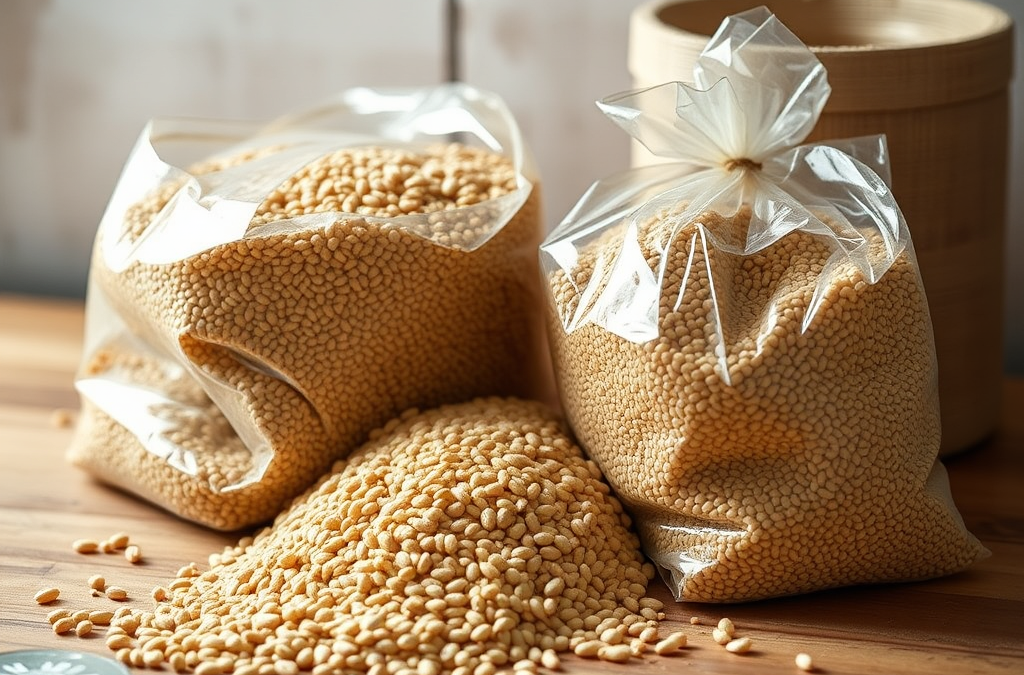
To pack grains for optimal storage, use airtight containers made from food-grade materials to prevent moisture and pest intrusion. Store grains in a cool, dry environment, maintaining specific moisture levels for each type; for example, wheat should ideally be kept at 12-14% moisture. Vacuum sealing is highly effective for extending freshness, as it eliminates air that can cause spoilage. Always label your containers with packing dates to monitor freshness and avoid using cardboard or paper, which do not provide adequate protection.
Understanding Grain Types and Their Storage Needs
Different types of grains require specific storage conditions to maintain their quality and longevity. For instance, whole grains like brown rice and quinoa have higher oil content than refined grains, making them more susceptible to rancidity. Understanding these differences is crucial when packing grains for optimal storage. Whole grains generally need to be stored in a cooler environment compared to processed grains, which are more stable.
Moreover, grains such as wheat, corn, and barley have unique moisture thresholds that must be maintained to prevent spoilage. Too much moisture can lead to mold, while too little can cause grains to dry out and lose flavor. For instance, the ideal moisture content for long-term storage of wheat is around 12-14%. Knowing the specific needs of each grain type helps ensure that they are packed correctly and stored effectively.
Choosing the Right Containers for Grain Storage
The choice of container plays a significant role in how well grains are preserved. Opt for airtight containers made of food-grade plastic, glass, or metal. These materials prevent air exchange, which can lead to oxidation and spoilage. Avoid using cardboard boxes or paper bags, as they do not provide a sufficient barrier against moisture and pests.
Vacuum-sealing is an excellent method for packing grains, as it removes air and significantly reduces the risk of spoilage. If vacuum sealing isn’t an option, consider using containers with tight-fitting lids. Label each container with the type of grain and the packing date to monitor freshness easily. Using transparent containers can also help you quickly assess your grain stock without needing to open them.
Optimal Environmental Conditions for Storing Grains
Grains should be stored in a cool, dark place, as light and heat can degrade their quality over time. Ideal storage temperatures range from 50°F to 70°F (10°C to 21°C). Avoid areas with high humidity, as moisture can lead to mold growth, spoilage, or pest infestations. Consider using a dehumidifier in damp environments to maintain the right humidity levels.
Regularly check the storage area for signs of pests or moisture. If you notice any issues, address them immediately to prevent contamination. For long-term storage, consider using oxygen absorbers in containers to extend shelf life. These absorbers help eliminate oxygen, further reducing the risk of spoilage.
Common Mistakes in Grain Packing and Storage
Many people make common mistakes when packing grains that can lead to spoilage. One frequent error is not checking the moisture content before packing. Grains that are too moist can develop mold, while overly dry grains may lose flavor and nutrients. Always ensure grains are at the appropriate moisture level before packing them away.
Another common mistake is neglecting to label containers. Without proper labeling, it can be easy to lose track of how long grains have been stored, leading to the consumption of stale or spoiled products. Additionally, failing to inspect for pests before packing can result in infestations that compromise the entire stock. Regular inspections and proper packing techniques are essential for maintaining grain quality and safety.
Frequently Asked Questions
What is the best way to store grains long-term?
The best way to store grains long-term is in airtight containers in a cool, dry place, ideally using vacuum sealing for maximum freshness.
How can I tell if my grains have gone bad?
Signs that grains have gone bad include off smells, visible mold, or changes in texture. If grains feel sticky or clump together, they may have absorbed moisture.
Can I freeze grains for storage?
Yes, freezing grains can extend their shelf life significantly. Ensure they are in airtight containers to prevent moisture absorption.
What are the most common pests that affect stored grains?
Common pests include weevils, moths, and grain beetles. Regularly check stored grains for signs of infestation and address any issues quickly.
How do I properly measure moisture content in grains?
Moisture content can be measured using a moisture meter specifically designed for grains. Aim for a moisture level of 12-14% for optimal storage.
Conclusion
Packing grains for optimal storage involves understanding their specific needs, selecting appropriate containers, and maintaining ideal environmental conditions. By avoiding common mistakes and regularly monitoring your grains, you can ensure they remain fresh and safe for consumption. Prioritize airtight storage, control moisture levels, and keep an eye out for pests to maximize the longevity of your grains.
Get Whole Wheat Flour, Grains and Milling Supplies – CLICK HERE

Related Content
Auto Amazon Links: No products found.