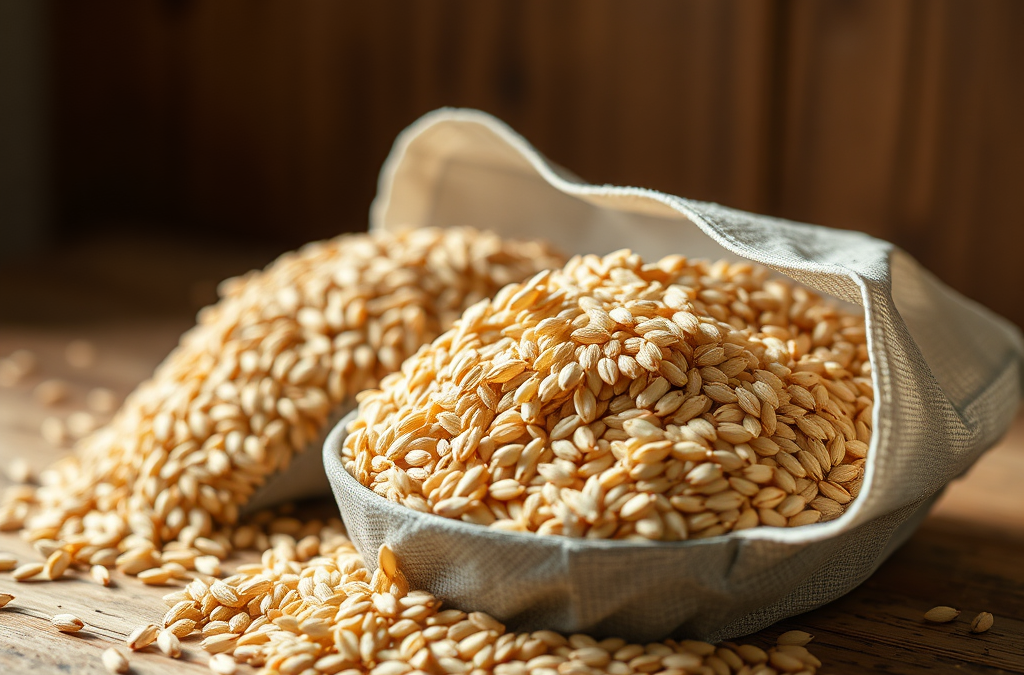
To protect grains from light exposure, store them in opaque containers and keep them in dark environments to prevent nutrient degradation and spoilage. Light, especially UV rays, can trigger chemical reactions that compromise the quality of grains like wheat and rice. It's essential to choose storage locations that are cool, dry, and devoid of light, such as basements or pantries. Additionally, using airtight containers will help prevent moisture and pest intrusion, further safeguarding the grains.
Understanding the Impact of Light on Grains
Light exposure can significantly affect the quality of grains, leading to nutrient degradation and spoilage. When grains are subjected to direct light, particularly UV rays, chemical reactions within the grains can lead to the breakdown of essential vitamins and fats. This degradation not only affects the nutritional value but can also result in off-flavors and rancidity. Grains like wheat, rice, and corn are particularly sensitive to light, making it crucial to understand the mechanisms behind light-induced damage.
One common misconception is that all grains are equally affected by light. However, different types of grains exhibit varying levels of sensitivity. For instance, whole grains with higher oil content are more susceptible to oxidation when exposed to light. Therefore, understanding the specific requirements and sensitivities of the grains you are storing is essential for effective protection.
In practical terms, this means that long-term storage of grains should be done in conditions that minimize light exposure. The implications of neglecting this can be severe, resulting in wasted resources and potential health risks from spoiled grains.
Best Practices for Grain Storage
Implementing best practices for grain storage involves creating an environment that minimizes light exposure and maintains optimal conditions for preservation. This includes selecting appropriate storage locations and choosing suitable containers. The ideal storage area should be cool, dry, and dark, which can be achieved by utilizing basements, pantries, or specially designed storage facilities.
It is also important to ensure that the storage area is well-ventilated. Stagnant air can lead to moisture buildup, which, when combined with light exposure, exacerbates spoilage. Regularly checking temperature and humidity levels can help maintain the right conditions for grain preservation.
Additionally, rotating your grain stock is a smart practice. Using older grains first and replenishing with fresh stock can help ensure that none of your grains reach a point of spoilage before use. This method not only keeps your inventory fresh but also minimizes waste.
Choosing the Right Containers
Choosing appropriate containers for grain storage is critical in protecting grains from light exposure. Opaque containers are the best choice, as they block out light entirely. Common options include food-grade plastic bins, metal canisters, or glass jars with dark finishes. Each type has its advantages and disadvantages; for instance, while glass jars allow for visibility, they should be stored in dark areas to prevent light exposure.
Avoid using transparent containers, as they allow light to penetrate and can accelerate the degradation process. Additionally, containers should be airtight to prevent moisture ingress, which can lead to mold and spoilage. Ensuring that containers are clean and dry before use is also essential to maintain grain quality.
Labeling containers with the storage date and type of grain can help in tracking inventory and ensuring that grains are used within their optimal timeframe. This simple step can prevent confusion and help maintain a systematic approach to grain storage.
Monitoring and Maintenance
Regular monitoring and maintenance of stored grains are vital in ensuring their longevity. This involves periodic checks for signs of spoilage, such as unusual odors, discoloration, or the presence of pests. If any issues are detected, it is essential to take immediate action to prevent further damage.
In addition to visual inspections, consider conducting a smell test. Fresh grains should have a neutral or slightly nutty aroma. If they smell musty or rancid, it indicates that they have been compromised. Furthermore, keeping a log of your inspections can help track the condition of your grains over time and identify any patterns that may arise.
Get Whole Wheat Flour, Grains and Milling Supplies – CLICK HERE

To further enhance protection, consider employing additional methods such as using desiccants to absorb moisture or incorporating natural repellents to deter pests. This multifaceted approach can significantly improve the resilience of your grain storage against light exposure and other degrading factors.
Frequently Asked Questions
What are the best materials for grain storage containers?
Opaque, airtight containers made of food-grade plastic, metal, or dark glass are ideal for grain storage.
How does light exposure affect grain quality?
Light exposure can lead to nutrient degradation and spoilage, affecting the flavor and safety of grains.
What signs indicate that stored grains are spoiled?
Signs of spoilage include off-odors, discoloration, and the presence of pests or mold.
How often should I check my grain storage?
Regular checks every few months are recommended to monitor for spoilage or pest issues.
Can I store grains in a basement?
Yes, basements are often ideal for grain storage as long as they are cool, dry, and dark.
Conclusion
Protecting grains from light exposure is essential for maintaining their quality and safety. By utilizing opaque containers, storing them in dark environments, and regularly monitoring their condition, you can significantly extend their shelf life. Understanding the specific needs of the grains you are storing and implementing best practices will ensure that you preserve their nutritional value and prevent spoilage. Prioritize these strategies to safeguard your grains and make the most of your storage efforts.
Get Whole Wheat Flour, Grains and Milling Supplies – CLICK HERE
Auto Amazon Links: No products found.