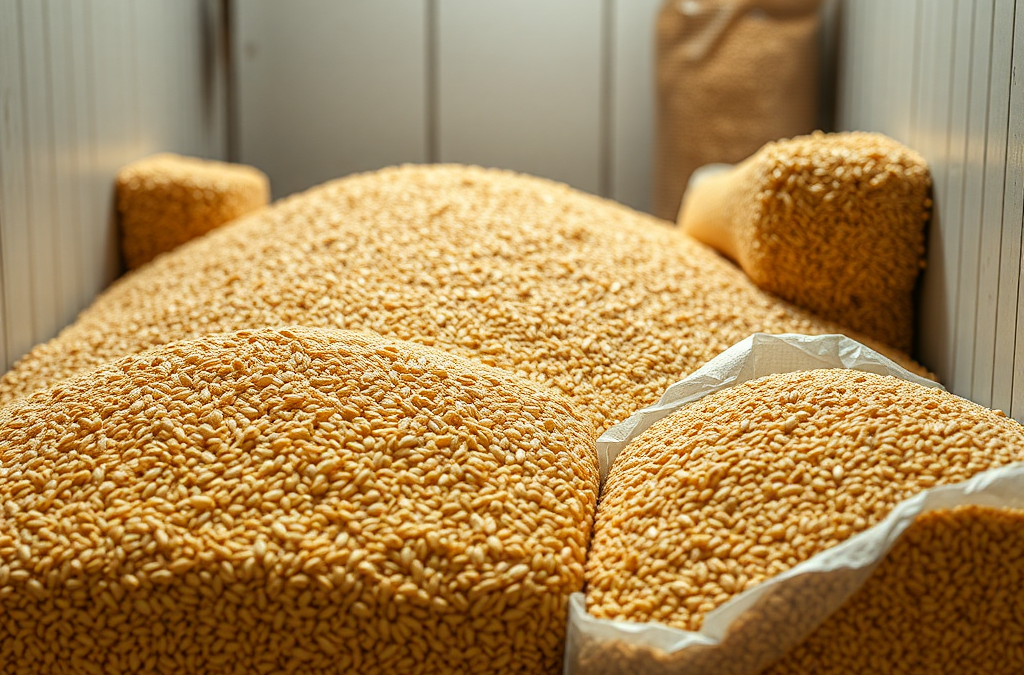
When grain storage becomes infested, immediate action is crucial to mitigate damage and protect the stored grains. First, identify the type of infestation, whether it’s insects or rodents, as this determines the control method. Next, remove all infested grains and clean the storage area thoroughly to eliminate larvae and eggs. Implement preventive measures such as sealing any entry points and maintaining proper ventilation to deter future infestations. Regular monitoring is essential to catch any signs of infestation early.
Understanding Infestations in Grain Storage
Infestations in grain storage can significantly impact the quality and safety of stored grains. Understanding the dynamics of these infestations is the first step in addressing the problem effectively. Infestations typically arise from various pests, including insects like weevils, moths, and beetles, as well as rodents. Each type of pest poses unique threats, such as direct damage to the grains or contamination through droppings and urine.
The presence of pests can lead to reduced grain quality, increased waste, and potential health risks for consumers. Recognizing the signs of an infestation early can help mitigate these risks. Signs may include visible insects, webbing, unusual odors, or grain that appears discolored or damaged.
Identifying the Type of Infestation
Before taking action against an infestation, it’s essential to accurately identify the type of pest involved. Insects are the most common culprits in grain storage, and their identification can guide control measures. For instance, grain weevils create small holes in grains, while pantry moths leave silk webbing and cocoons.
Rodent infestations may be indicated by droppings, gnaw marks, or burrows near storage areas. Each pest type has specific behaviors and vulnerabilities that can be exploited for effective control. Knowing whether the infestation is due to insects or rodents will determine the appropriate response strategy.
Immediate Actions to Take
Once an infestation is confirmed, immediate action is necessary to minimize damage. Start by removing all infested grains from the storage area. Dispose of these grains safely, as they can harbor pests and contaminate unaffected grains. Next, conduct a thorough cleaning of the storage facility. This includes vacuuming to remove any larvae, eggs, or debris that may encourage further infestations.
After cleaning, consider treating the storage area with appropriate insecticides or rodenticides, depending on the type of infestation. Always follow safety guidelines and label instructions when using chemicals. It may also be beneficial to consult with pest control professionals for severe infestations, as they can provide targeted solutions and advice.
Preventive Measures for Future Infestations
After addressing the immediate infestation, implementing preventive measures is crucial to avoid future occurrences. Start by sealing any potential entry points, such as cracks and gaps in walls or around doors. Proper ventilation in storage areas can also deter pests, as many thrive in warm, stagnant environments.
Regularly inspect stored grains and the storage area for any signs of pests. Establish a routine cleaning schedule to keep the environment inhospitable to pests. Additionally, consider using traps as a monitoring tool to catch pests before they can establish an infestation.
Get Whole Wheat Flour, Grains and Milling Supplies – CLICK HERE

Frequently Asked Questions
What are the signs of a grain storage infestation?
Signs include visible pests, damaged grains, unusual odors, and webbing or droppings in the storage area.
How can I prevent pests in my grain storage?
Seal entry points, maintain proper ventilation, and regularly inspect and clean the storage area to prevent infestations.
What should I do with infested grains?
Remove and dispose of infested grains safely to prevent contamination of unaffected grains.
When should I call a pest control professional?
If the infestation is severe or difficult to manage, it is advisable to consult pest control professionals for targeted solutions.
What types of pests typically infest grain storage?
Common pests include grain weevils, pantry moths, and rodents, each requiring different control measures.
Conclusion
Addressing grain storage infestations promptly is critical to maintain grain quality and safety. By understanding the types of pests, taking immediate action to remove infested grains, and implementing preventive measures, you can protect your stored grains from future infestations. Regular monitoring and maintenance will ensure a safe storage environment for your grains moving forward.
Get Whole Wheat Flour, Grains and Milling Supplies – CLICK HERE
Related Content
- Bulk Wheat Storage Containers: Essential Types and Considerations for Effective Preservation
- How to Choose Storage Methods Based on Grain Type: A Practical Decision Checklist
- The Ultimate 2025 Guide: 10 Effective Tips on How to Preserve Whole Grains
- Grain Storage for Natural Disasters: Practical Strategies for Safe Preservation
- How to Store Grains Long Term: Methods for Maximizing Freshness and Shelf Life
Auto Amazon Links: No products found.