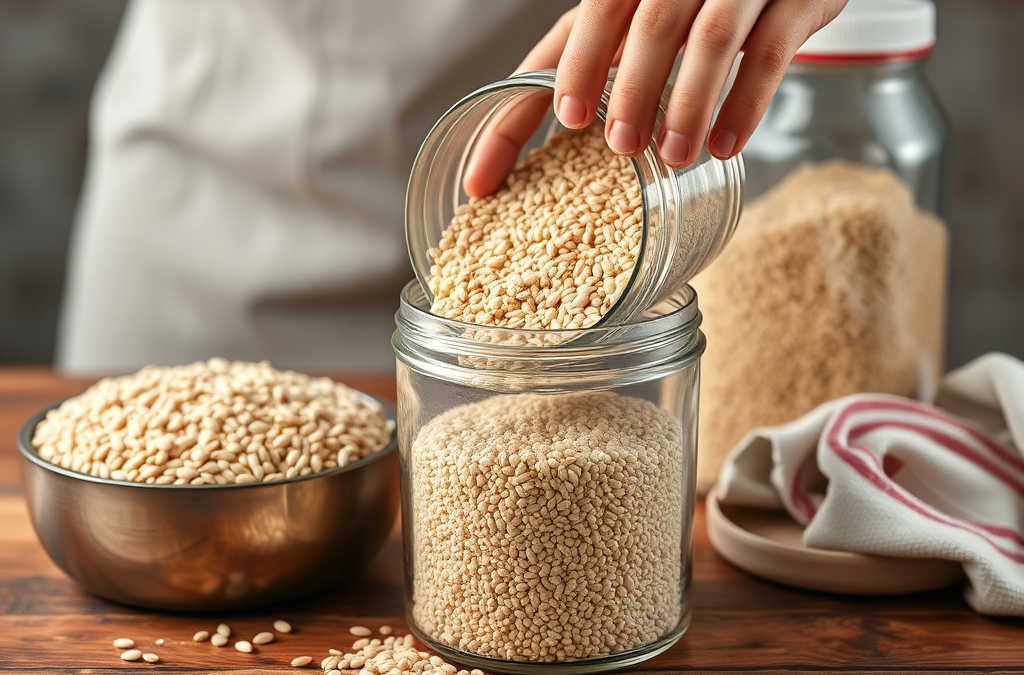
To safely transfer grains between containers, utilize clean, dry equipment and ensure the new container is compatible with the grain type. Start by inspecting both containers for cleanliness and dryness to prevent contamination. Use a funnel or scoop to minimize spillage, and consider using a vacuum sealer for optimal preservation. Always label the container post-transfer with the grain type and date to maintain organization and freshness.
Understanding the Importance of Safe Grain Transfer
Transferring grains between containers must be done safely to maintain their quality and prevent contamination. Grains can be susceptible to pests, moisture, and other contaminants that can compromise their integrity. Proper transfer methods ensure that grains remain safe for consumption and storage, preserving their nutritional value and extending shelf life. It is crucial to recognize the risks associated with improper handling, such as spoilage or infestation, which can have significant economic and health implications.
Moreover, understanding the characteristics of the specific grain type being transferred can dictate the method used. For example, some grains may require more careful handling than others due to their size, shape, or moisture content. Thus, it is essential to prioritize safety and quality throughout the grain transfer process.
Essential Tools and Equipment for Grain Transfer
Having the right tools and equipment is vital for a successful grain transfer. First, ensure you have clean and appropriate containers that are suitable for the grain type. Containers made of food-grade materials are recommended to prevent chemical leaching, which can alter the grain’s quality.
In addition to the containers, consider using the following tools:
- Scoops or Funnels: These tools help minimize spillage and allow for a more controlled transfer of grains.
- Sealing Equipment: Vacuum sealers or airtight lids can help preserve grain freshness and prevent moisture ingress.
- Labels: Clearly labeling containers with the grain type and transfer date is essential for organization and tracking.
- Gloves: Wearing gloves can prevent contamination from oils or residues on your hands.
Using these tools can streamline the process and reduce the risk of contamination or spoilage during the transfer.
Step-by-Step Process for Transferring Grains
To effectively transfer grains between containers, follow these steps:
- Preparation: Start by cleaning and drying both the original and new containers. Ensure that any equipment used is also sanitized.
- Inspection: Check the grains for any signs of spoilage or infestation. Discard any compromised grains to prevent contamination.
- Transfer: Using a scoop or funnel, carefully transfer the grains into the new container. Avoid overfilling to allow for proper sealing.
- Sealing: If using a vacuum sealer, seal the container according to the manufacturer’s instructions. If using a lid, ensure it fits tightly to prevent air and moisture ingress.
- Labeling: Clearly label the container with the grain type, date of transfer, and any other relevant information.
Following these steps will help ensure a safe and effective transfer that maintains the quality of the grains.
Common Mistakes to Avoid When Transferring Grains
Even with the best intentions, mistakes can occur during the grain transfer process. Here are some common pitfalls to avoid:
- Using Dirty Equipment: Always ensure that containers and tools are clean to prevent contamination.
- Ignoring Grain Type: Not all grains require the same handling techniques; familiarize yourself with the specific needs of the grain you are transferring.
- Neglecting Proper Sealing: Failing to seal containers correctly can expose grains to moisture and pests, leading to spoilage.
- Overlooking Labels: Forgetting to label containers can lead to confusion and mismanagement of grain inventory.
By being aware of these common mistakes and taking proactive steps to avoid them, you can enhance the safety and quality of your grain transfer process.
Get Whole Wheat Flour, Grains and Milling Supplies – CLICK HERE

Frequently Asked Questions
What is the best way to prevent grain contamination during transfer?
To prevent contamination, always use clean, food-grade containers and tools, and inspect grains for any signs of spoilage before transferring.
Can I use any container to store grains?
No, use containers made from food-safe materials to avoid chemical leaching and ensure the grains remain uncontaminated.
How can I tell if my grains are spoiled?
Signs of spoilage include unusual odors, discoloration, or the presence of pests. If any of these are present, discard the grains.
Is it necessary to label grain containers?
Yes, labeling is crucial for tracking grain types and transfer dates, helping maintain organization and freshness.
What should I do if I spill grains during transfer?
If you spill grains, clean the area immediately to prevent pests and contamination, and assess the remaining grains for any debris or damage.
Conclusion
Successfully transferring grains between containers involves careful preparation and execution to maintain their quality and safety. By understanding the risks, using the right tools, and following a systematic process, you can ensure that your grains are stored properly for long-term use. Remember to avoid common mistakes that can compromise the integrity of your grains, and always prioritize cleanliness and organization throughout the transfer process.
Get Whole Wheat Flour, Grains and Milling Supplies – CLICK HERE
Related Content
- Grain Storage Tips for Survivalists: Essential Methods for Long-Lasting Preservation
- The Ultimate Guide to the Best airtight containers for grain storage in 2025
- How to Create an Emergency Grain Backup Plan: Essential Steps and Key Considerations
- Grain and Food prices compel hoarding
- The Best Grain Storage Containers for Moist Climates
Auto Amazon Links: No products found.