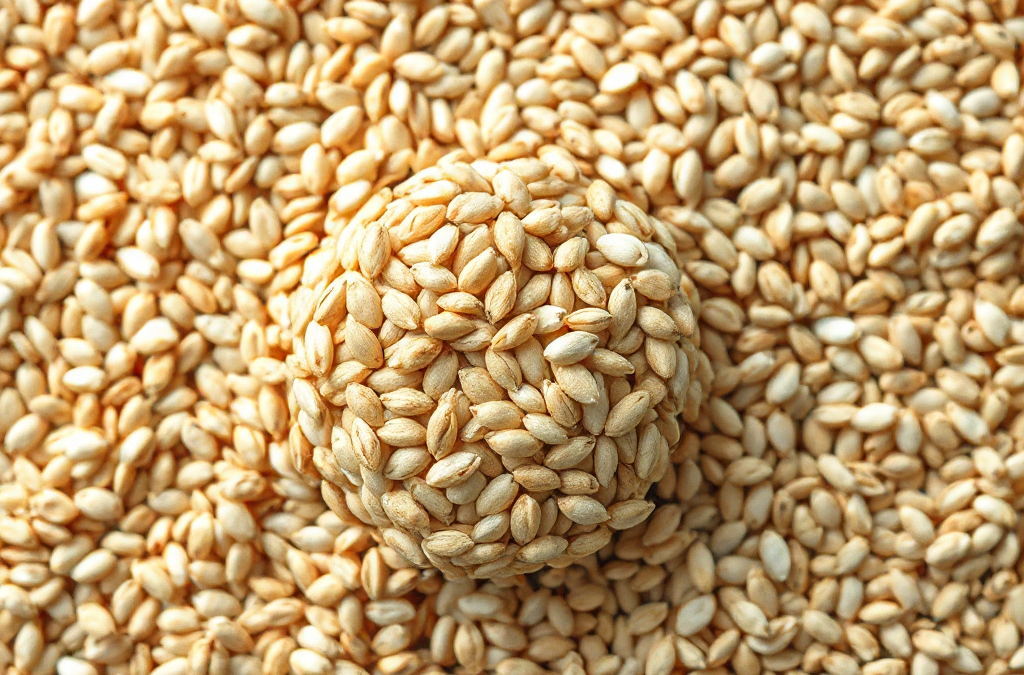
When storing grains for survival, it is essential to control moisture, prevent pests, and choose the right containers. Moisture can lead to spoilage and mold, while pests can compromise your stored grains. Opt for airtight containers and maintain a cool, dry environment, ideally below 70°F (21°C) with low humidity. Whole grains like wheat and rice can last significantly longer than processed grains, so prioritize these for long-term storage. Regularly check your storage area for signs of moisture or pest activity to ensure your grains remain safe and nutritious.
Understanding Grain Types and Their Storage Needs
Different grains have unique storage requirements that significantly affect their longevity and quality. For instance, whole grains like wheat and rice can be stored for extended periods if conditions are right, while processed grains, such as flour, have a shorter shelf life due to their higher oil content. Understanding these differences is crucial for effective grain storage.
Whole grains have a protective outer layer that helps prevent spoilage. However, once grains are milled or processed, their shelf life diminishes due to exposure to air and moisture, leading to rancidity. For example, while whole wheat can last for years in proper conditions, flour may only last six months to a year. Therefore, consider the type of grain and its specific needs when planning for storage.
Additionally, consider the nutritional content. Whole grains contain more fiber, vitamins, and minerals than processed grains, making them a better choice for long-term survival. Prioritize storing whole grains whenever possible, and be aware of their specific storage requirements to ensure optimal preservation.
Optimal Conditions for Grain Storage
Creating the right environment is essential for preserving grains. The primary factors to consider are temperature, humidity, and light exposure. Grains should be stored in a cool, dry place to prevent moisture accumulation, which can lead to mold growth and spoilage. Ideally, the storage temperature should be below 70°F (21°C) and humidity levels should be kept below 15%.
Light can also degrade grains over time, affecting their taste and nutritional value. Store grains in opaque containers or in dark areas to minimize exposure to light. Regularly check stored grains for signs of spoilage, such as changes in color or odor, to catch any issues early.
Another critical factor is air circulation. Storing grains in airtight containers can help maintain low humidity levels and prevent pest infestations. However, ensure that the storage area has proper ventilation to avoid moisture buildup from temperature fluctuations. Balancing these environmental factors is key to maximizing the shelf life of your stored grains.
Container Selection and Preparation
The choice of container plays a significant role in grain storage. Airtight containers made of glass, plastic, or metal are ideal for preventing moisture and pests from accessing the grains. Avoid using cardboard boxes or paper bags, as they can allow moisture and pests to infiltrate.
Before storing grains, ensure that containers are thoroughly cleaned and dry. Any residual moisture can lead to spoilage, so it’s crucial to prepare containers properly. Consider using food-grade buckets with airtight lids for larger quantities or glass jars for smaller amounts. Label each container with the type of grain and the date of storage to keep track of freshness.
Additionally, consider the quantity of grains you plan to store. If you’re storing grains for long-term survival, opt for larger containers that can hold sufficient amounts while remaining manageable. This way, you can avoid frequent handling, which can introduce moisture and contaminants into the storage environment.
Pest Control and Prevention Strategies
Pests such as weevils and moths are significant threats to stored grains. Implementing effective pest control strategies is essential for maintaining the integrity of your grain supply. Start by inspecting grains before storage; any infested grains should be discarded to prevent the spread of pests.
Using airtight containers is one of the most effective ways to deter pests. Additionally, consider incorporating natural repellents such as bay leaves or diatomaceous earth within the containers, which can help deter insects without the use of chemicals. Regularly inspect stored grains for signs of infestations and rotate stock to ensure older grains are used first.
Get Whole Wheat Flour, Grains and Milling Supplies – CLICK HERE

Another strategy involves maintaining cleanliness in the storage area. Sweep and clean the storage space regularly to remove any potential food sources for pests. Being proactive about pest control will significantly reduce the risk of infestation and ensure that your grains remain safe for consumption.
Frequently Asked Questions
How long can grains be stored for survival?
Grains like wheat and rice can last for several years when stored properly in cool, dry conditions, while processed grains have shorter shelf lives.
What is the best temperature for storing grains?
The ideal temperature for storing grains is below 70°F (21°C) to prevent spoilage and maintain quality.
Can moisture affect grain storage?
Yes, high moisture levels can lead to mold growth and spoilage, making it crucial to keep humidity levels below 15%.
What types of containers are best for grain storage?
Airtight containers made of glass, plastic, or metal are best for preventing moisture and pest access to stored grains.
How can I prevent pests from infesting my grains?
Use airtight containers, inspect grains before storage, and maintain cleanliness in the storage area to prevent pest infestations.
Conclusion
Proper grain storage is essential for ensuring long-term survival and maintaining nutritional quality. Focus on understanding the specific needs of different grains, creating optimal storage conditions, selecting appropriate containers, and implementing effective pest control strategies. By prioritizing these factors, you can secure a reliable food source that remains safe and nutritious for years to come.
Get Whole Wheat Flour, Grains and Milling Supplies – CLICK HERE
Related Content
- Department of Natural Resources and the Invasive Species Order
- Emergency Supply of Grains: Essential Foods and Storage Strategies for Preparedness
- Top 10 Secrets for Perfect Grain Storage in Plastic Bins (2025 Guide)
- How to Create a Backup Plan for Grain Storage: Essential Steps to Ensure Quality and Safety
- Easy Tips for Organizing Your Pantry
Auto Amazon Links: No products found.