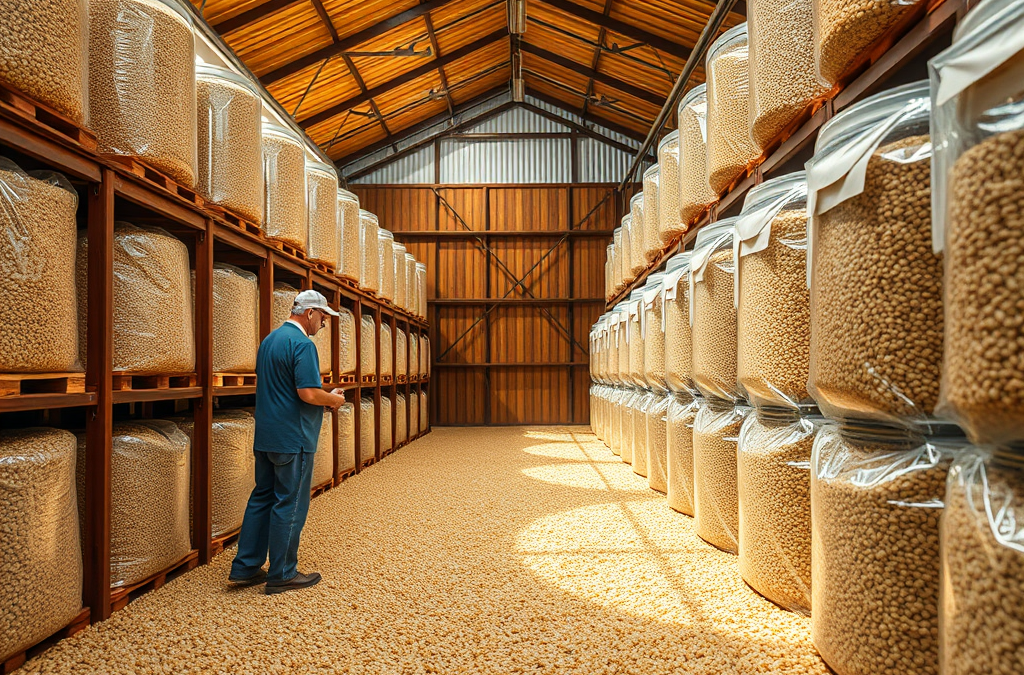
To maintain a sustainable grain storage system, focus on proper ventilation, moisture control, and pest management. Regular inspections are essential to identify potential issues early. Implement moisture-absorbing materials like silica gel to keep humidity levels below 13%, which helps prevent spoilage. Additionally, using airtight containers can effectively deter pests, safeguarding grain quality. By prioritizing these practices, you can significantly extend the lifespan of your stored grains and reduce waste.
Understanding Sustainable Grain Storage
Sustainable grain storage is crucial for preserving the quality and safety of grains over time. This approach minimizes waste and maximizes the use of resources, ensuring that grains remain viable for consumption or sale. The significance of a sustainable storage system lies in its ability to maintain optimal conditions that prevent spoilage, pest infestations, and nutrient loss. Proper understanding of the environmental factors that affect grain storage, such as temperature, humidity, and airflow, is essential to achieving sustainability.
Grains are sensitive to their storage environment, and improper conditions can lead to significant losses. For instance, high humidity can cause mold growth, while inadequate ventilation can lead to heat buildup, both of which compromise grain quality. Sustainable storage practices focus on creating a controlled environment that reduces these risks, thereby extending the lifespan of the stored grains.
Key Techniques for Effective Storage
To maintain a sustainable grain storage system, several key techniques should be employed. Firstly, ensuring proper ventilation is critical. Adequate airflow helps to regulate temperature and humidity levels, reducing the risk of condensation and mold growth. Ventilation can be achieved through natural means, such as using air ducts or vents, or through mechanical systems that actively circulate air.
Secondly, moisture control is vital. Grains should be stored at moisture levels below 13% to prevent spoilage. Utilizing moisture-absorbing materials, such as silica gel or desiccants, can help maintain appropriate humidity levels within storage containers. Regular monitoring of moisture content is recommended, using moisture meters to ensure levels remain within safe limits.
Another important technique is pest management. Common pests, such as grain weevils and moths, can cause extensive damage to stored grains. Implementing traps and regular inspections can help identify and mitigate pest issues before they escalate. Additionally, using airtight containers can significantly reduce the risk of infestations by limiting access to pests.
Common Challenges and Solutions
Despite best efforts, maintaining a sustainable grain storage system can present challenges. One common issue is the fluctuation of temperature and humidity levels, which can occur due to changes in weather or storage location. To combat this, it’s essential to choose storage sites that are naturally cooler and less humid, if possible. Insulating storage facilities can also help maintain stable conditions.
Another challenge is the presence of pests, which can quickly compromise grain quality. Regular inspections and the use of preventive measures, such as sealing potential entry points and maintaining cleanliness in storage areas, are crucial to minimizing pest risks. Additionally, implementing an integrated pest management (IPM) approach allows for a combination of biological, cultural, and mechanical strategies to effectively control pest populations.
Best Practices for Long-Term Storage
For long-term grain storage, adopting best practices can significantly enhance sustainability. Regularly rotating stock is essential to ensure older grains are used first, reducing the likelihood of spoilage. This practice is known as FIFO (First In, First Out) and helps maintain grain quality over time.
Moreover, maintaining a clean and organized storage area cannot be overstated. Regular cleaning helps remove debris that could harbor pests or create moisture traps. Implementing a routine cleaning schedule ensures that storage areas remain conducive to safe grain storage.
Lastly, educating staff and stakeholders about the importance of sustainable practices is vital. Training on proper storage techniques, monitoring procedures, and pest management can empower those involved in grain storage to make informed decisions, ultimately leading to better outcomes.
Get Whole Wheat Flour, Grains and Milling Supplies – CLICK HERE

Frequently Asked Questions
What is the ideal moisture level for grain storage?
The ideal moisture level for grain storage is below 13% to prevent spoilage and mold growth.
How can I prevent pest infestations in stored grains?
Prevent pest infestations by using airtight containers, maintaining cleanliness, and conducting regular inspections.
What are the signs of spoilage in stored grains?
Signs of spoilage include a musty odor, discoloration, visible mold, and the presence of insects or larvae.
How often should I inspect my grain storage?
It is recommended to inspect grain storage areas at least once a month to identify potential issues early.
What is the importance of ventilation in grain storage?
Ventilation is crucial as it helps regulate temperature and humidity, reducing the risk of mold and spoilage.
Conclusion
Maintaining a sustainable grain storage system is essential for preserving grain quality and minimizing waste. By implementing effective techniques such as proper ventilation, moisture control, and pest management, grain storage can be optimized for long-term viability. Regular inspections, staff education, and adherence to best practices further enhance the sustainability of grain storage. Prioritizing these strategies will lead to healthier grain storage environments and better outcomes for all involved.
Get Whole Wheat Flour, Grains and Milling Supplies – CLICK HERE
Auto Amazon Links: No products found.
Further Reading
Authoritative Sources
- Consider pros, cons of alternative grain storage methods
ndsu.eduAll storage options should keep the grain dry and provide adequate aeration to control the grain temperature. Intense storms can significantly affect grain ...
- 3 Best Practices for Preventing Spoilage During Grain Storage
blog.kett.comPrevent grain spoilage with 3 proven strategies: moisture monitoring, proper aeration, and safe storage charts for corn, soybeans, canola, ...
- Understanding Grain Storage Issues
pneumat.comThat's why managing temperature and moisture levels and maintaining adequate aeration are so critical during long-term grain storage. Keep Bins ...
- Helpful Tips for Long-Term Grain Storage & Better Value At ...
parallelag.comGrain Storage Tips and Tricks · Clean Your Bin · Dry Your Grain · Separate Your Grain · Storing Damaged Grain · Storage Methods.