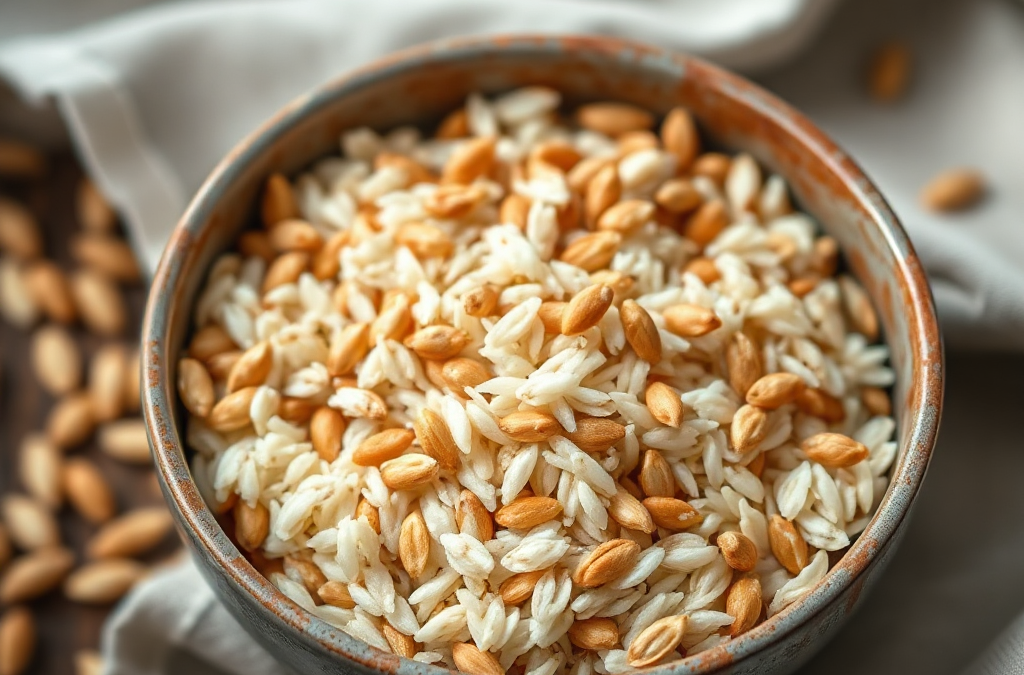
How to store grains for optimal taste depends on keeping them cool, dry, dark, and protected from air, odors, insects, and repeated temperature swings. Transfer grains to clean, airtight containers, label the purchase or milling date, and place them in a stable pantry away from sunlight and appliances that generate heat. Whole grains need extra attention because their natural oils can turn stale faster than refined grains; refrigeration or freezing may suit longer storage. Let chilled grains reach room temperature while sealed so condensation does not form. Inspect for musty odors, moisture, clumping, insects, or rancid notes before cooking, and use older packages first.
The Conditions That Preserve Grain Flavor
Grain flavor changes most readily when heat, moisture, oxygen, light, or nearby odors reach the food. A dry pantry with a fairly stable temperature is usually suitable for unopened rice, oats, cornmeal, wheat berries, and similar dry staples. The storage location matters as much as the package: a cupboard above a stove may expose grains to repeated warmth, while a basement shelf may introduce humidity and temperature fluctuations.
Moisture causes several problems at once. It can soften the grain, encourage mold growth, promote clumping in flour, and create conditions that allow insects to multiply. Oxygen gradually dulls delicate aromas and accelerates rancidity in the oils found in bran and germ. Light is less damaging than moisture or heat in many household situations, but opaque containers still provide a useful barrier, especially for grains kept near a window.
Use the coolest practical location that remains dry and accessible. A pantry shelf away from plumbing, exterior doors, and heat-producing equipment is preferable to a convenient but warm counter. Do not assume that a sealed container fixes a poor location; an airtight jar protects against humidity and pests, but it cannot reverse heat damage or make a damp cupboard safe.
For a quick assessment, check whether the area stays dry, whether the package is exposed to sunlight, and whether strong foods such as onions, spices, or cleaning products are stored nearby. Grains can absorb odors through imperfect packaging, and the result may be noticeable after cooking. If your home has seasonal humidity, smaller containers and more frequent rotation are often more practical than buying a large supply.
Choosing Containers for Different Grains
The best container is clean, completely dry, appropriately sized, and easy to seal. Food-grade glass, rigid plastic, or metal containers with secure lids can work well. A container that is nearly full leaves less air above the grain, but it should not be packed so tightly that you cannot inspect the contents or remove portions without spilling.
Keep grains in their original packaging when it is intact and intended for pantry storage, then place that package inside a pest-resistant bin if needed. For opened bags, transfer the contents rather than folding the top and relying on a clip. Paper and thin plastic offer limited protection against humidity and pantry insects. A sealed container also reduces the chance that a spill will attract pests to nearby foods.
Match the container to how quickly you use the grain. A household that cooks oats every morning may prefer one larger canister, while a rarely used bag of barley is better divided into smaller portions. Smaller portions limit air exposure after opening and make it easier to freeze or refrigerate a portion without repeatedly warming the whole supply.
Wash reusable containers before refilling them, and allow them to dry fully. Adding new grain on top of old grain hides aging stock and can carry stale odors or insects into a fresh purchase. A common mistake is to treat an attractive storage jar as automatically suitable; a loose lid, residual moisture, or a narrow opening that cannot be cleaned undermines the benefit. Label the grain type and date so the container supports rotation rather than obscuring it.
For an especially sensitive pantry, this how to store grains for optimal taste routine works best when storage containers, shelf placement, and cooking frequency are considered together.
Whole Grains, Flour, and Milled Products
Whole grains generally require more flavor protection than refined grains because the bran and germ remain attached and contain natural oils. Brown rice, oat groats, quinoa, rye berries, and whole-wheat berries may develop stale or paint-like notes sooner than white rice or polished grains, particularly in a warm kitchen. The exact keeping time depends on the product, packaging, temperature, and freshness at purchase, so container choice should reflect those variables rather than a single universal deadline.
Flour and meal are more exposed than intact kernels because milling increases surface area. Whole-wheat flour, oat flour, and stone-ground cornmeal can lose their fresh aroma faster than intact wheat berries or dried corn. If you use these products occasionally, refrigeration or freezing may preserve their flavor better than a warm pantry. Keep them tightly sealed, and allow a cold container to warm while closed before opening; this reduces condensation on the food.
Refined rice, pearled barley, and many dry white flours are often more forgiving for routine pantry storage. That does not make them immune to stale odors, humidity, or pests. A comparison between brown and white rice illustrates the tradeoff: the brown variety may offer a fuller, nuttier flavor but usually rewards cooler storage, while white rice is more tolerant of ordinary cupboard conditions.
Buy the format that fits your use. Frequent bakers may reasonably freeze a larger quantity of whole-grain flour in sealed portions, whereas someone cooking wheat berries weekly may prefer a small pantry container and steady rotation. Avoid transferring warm grain directly into a sealed container after cooking or drying; trapped steam creates the moisture problem storage is meant to prevent. For additional pantry context, see how to store grains for optimal taste alongside your product label and package instructions.
Rotation, Inspection, and Flavor Checks
Rotation protects taste by reducing the time any package spends exposed to household conditions. Write the purchase date, milling date when available, or opening date on each container. Put newer packages behind older ones, and plan meals around the older stock instead of waiting for a vague “best” period to pass.
Inspection should happen when a package is opened and again before cooking. Look for webbing, live insects, pinholes, unusual dust, damp clumps, discoloration, or a musty smell. A rancid aroma may resemble old paint, crayons, or bitter nuts, although smell descriptions vary by grain and person. Do not taste questionable raw grain to test it. When spoilage, mold, or infestation is evident, discard the affected food and inspect neighboring packages.
Flavor is a useful quality signal, but it is not a substitute for food-safety judgment. Grain that smells acceptable may still have been exposed to moisture, while grain with a mild cardboard note may simply be past its best eating quality. When in doubt, compare a small batch with a freshly opened batch of the same product. Differences in aroma, sweetness, bitterness, cooking smell, and texture can reveal whether storage or age is affecting the result.
Get Whole Wheat Flour, Grains and Milling Supplies – CLICK HERE 
Freezing can slow quality loss, but it introduces handling requirements. Divide the grain into airtight portions, remove as much excess air as practical, and keep the package sealed while it warms. Repeatedly moving one large bag between freezer and pantry creates temperature swings and increases condensation risk. Rotation is also easier when portions are sized for one or two uses rather than frozen as a solid bulk block.
A Practical Storage Routine for Better-Tasting Meals
A reliable routine begins before the grain reaches the shelf. Choose packages without tears, dampness, or visible evidence of insects. If purchasing from a bulk bin, use a clean container at home and record the purchase date; bulk foods may not provide the same date information as sealed retail packages.
Use this compact sequence when setting up or resetting a pantry:
- Inspect the product and note its type, form, and purchase or milling date.
- Clean and dry the container before filling it.
- Seal the grain and place it in a cool, dark, low-humidity location.
- Store whole-grain flour and other oil-rich milled products cold when use will be slow.
- Keep older containers in front and examine them before cooking.
Cooking frequency should determine the storage method. A family using white rice several times a week may need only a well-sealed pantry canister. A person who buys specialty grains for occasional recipes may get better flavor from small packages or cold storage. Large quantities can reduce packaging waste and cost per serving, but they increase the consequence of a warm pantry, unnoticed pest activity, or poor rotation.
Notice the result in the finished food. Fresh grains usually have a clean aroma appropriate to the variety, cook evenly, and do not leave a bitter or stale aftertaste. If flavor declines, first check the storage location, lid seal, product age, and whether moisture entered during handling. Replacing the container may help, but an already rancid or moldy product should not be rescued by rinsing, toasting, or adding stronger seasonings. A small adjustment in quantity, shelf placement, or purchase size is often more effective than a complicated preservation system.
For households managing several varieties, a simple written inventory can prevent forgotten bags. Note which grains are pantry-stable, which require cooler storage, and which should be used first. That approach complements how to store grains for optimal taste by turning general conditions into a routine suited to your kitchen.
Frequently Asked Questions
Should grains be stored in the refrigerator?
Refrigeration is especially useful for whole-grain flour, brown rice, and other oil-rich products that will be used slowly. Airtight packaging is necessary to prevent moisture and odor absorption.
Are glass jars better than plastic containers?
Both can work when they are food-safe, clean, dry, and tightly sealed. Glass resists odor retention, while rigid plastic is lighter and less likely to break.
Why does stored brown rice sometimes taste bitter?
The natural oils in the bran and germ can become stale, particularly after warm storage or prolonged exposure to air. A bitter, rancid, or paint-like smell is a reason to discard it.
Can grains be frozen in their original bags?
Only if the packaging is intact and well sealed. For longer storage, use airtight freezer-safe portions and keep them closed while warming to limit condensation.
How can pantry pests be reduced?
Use clean sealed containers, rotate stock, inspect new packages, and avoid mixing fresh grain with older contents. If insects appear, inspect nearby dry foods rather than treating only one container.
Conclusion
Good flavor comes from matching the grain to a storage method that controls heat, moisture, air, light, and time. Intact refined grains may remain pleasant in a cool, dry pantry, while whole grains and milled products often deserve smaller portions, faster rotation, or refrigeration. Clean, dry airtight containers protect against humidity and pests, but they cannot restore a product that already smells rancid or musty. Date each package, keep older stock visible, and inspect neighboring foods when a problem appears. The next useful step is to sort your current supply by grain type and use rate, then move slow-moving whole-grain products to the coolest suitable location. That simple adjustment usually improves both flavor consistency and pantry control.
Get Whole Wheat Flour, Grains and Milling Supplies – CLICK HERE
Auto Amazon Links: No products found.