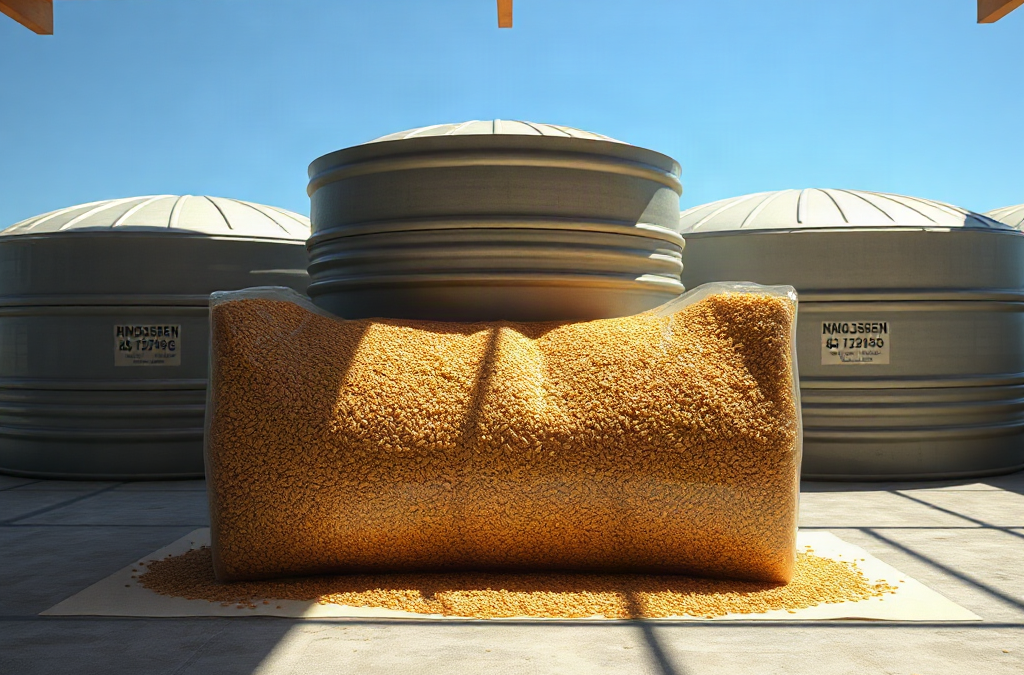
Direct sunlight puts stored grain at risk by heating containers, creating temperature swings, degrading protective packaging, and encouraging moisture migration that can lead to condensation, mold, insects, and loss of quality. Clear jars, thin plastic bins, and metal cans near windows are especially vulnerable because light and radiant heat reach them quickly. Move grain to a dark, stable location, inspect containers for warmth, fading, moisture, webbing, or unusual odors, and isolate any questionable lot. Shade alone is not enough if the storage area still becomes hot; temperature stability, low grain moisture, sound packaging, and routine inspection must work together.
How Does Sunlight Damage Stored Grain?
Sunlight affects stored grain primarily through radiant heating and repeated temperature change. A container beside a window can become warmer than the surrounding room even when the air feels comfortable. Dark lids, metal surfaces, and densely packed containers may absorb and retain that heat. When sunlight disappears in the evening, the container cools again. Repeating this cycle places more stress on the grain and its packaging than storage at a steady indoor temperature.
Temperature changes can move moisture within a container. Warm air can hold more water vapor than cool air, so vapor may migrate toward a cooler lid, wall, or grain layer and condense there. The entire batch does not need to feel wet for a problem to develop. A small damp area near the container wall can support mold growth, kernel clumping, or localized spoilage while grain in the center still appears normal. This is why checking only the top scoop can miss early damage.
Heat also affects biological activity. Insects already present as eggs or hidden life stages may develop more quickly under warm conditions, while molds become a greater concern when heat is paired with sufficient moisture. Sunlight does not create insects or mold by itself, and a sunlit container is not automatically unsafe. The practical concern is that warmth can turn a marginal storage condition into a more favorable environment for deterioration.
Light exposure has additional consequences for quality and packaging. Clear containers admit visible and ultraviolet light, which may contribute to changes in color, flavor, and susceptible nutrients over extended storage. More immediately, sunlight can embrittle some plastics, fade inspection labels, loosen adhesives, and age rubber seals. A lid that once fit tightly may eventually warp or lose sealing performance, especially when exposed to both heat and light.
A common misconception is that dry grain cannot be harmed by a sunny location. Properly dried grain is more stable, but dryness does not stop container heating, package deterioration, or moisture entering through a poor seal. Stable darkness is therefore a storage control rather than a cosmetic preference. The safest interpretation is to treat direct sun as an avoidable source of heat and variability, particularly for supplies expected to remain untouched for months or years.
Which Containers and Locations Face the Most Risk?
Risk is highest where direct light, heat-absorbing materials, weak barriers, and poor air circulation overlap. A clear jar on an open kitchen shelf may receive only an hour of afternoon sun, yet its surface can become noticeably warm. A sealed bucket in a bright garage may avoid direct rays for part of the day but still experience strong radiant heat through a window or door. Location must be judged by what happens across the full day and through seasonal changes.
Clear glass and transparent plastic make inspection convenient, but they provide little protection from light. Glass is chemically stable and offers a strong barrier when properly sealed, although it can transmit light and may break if handled roughly. Clear plastic varies widely in durability and barrier performance. An opaque food-grade bucket blocks light more effectively, but a dark-colored bucket in direct sun may absorb considerable heat. Opacity solves light exposure; it does not make a hot location suitable.
Metal cans block light and offer a strong physical barrier, yet metal conducts heat readily. A can touching a sun-warmed wall or sitting on a hot shelf can transfer that warmth to its contents. Thin retail bags are generally more vulnerable because they may admit moisture or oxygen, tear easily, and offer limited protection from pests. Placing those bags inside a sound secondary container improves physical protection, but the outer container still needs a cool, shaded position.
Windowsills are the clearest poor choice, but several less obvious locations deserve scrutiny. Shelves opposite a west-facing window can receive intense late-day light. Enclosed cabinets mounted beside a sun-heated exterior wall may become warmer than the room. Garages, sheds, vehicles, greenhouses, and enclosed porches commonly undergo wider daily temperature swings than interior pantries. Curtains may stop a visible beam without preventing the surrounding space from overheating.
Consider two identical buckets of wheat: one stored on an interior shelf and one near a garage window. Both are opaque and tightly closed, but the garage bucket repeatedly warms and cools while the interior bucket remains relatively stable. The packaging is equal; the environment is not. For long-term storage, prioritize an interior area with minimal temperature fluctuation over a convenient space that becomes hot. For short-term working quantities, a kitchen container can be acceptable if it remains shaded, sealed, and away from appliances that release heat or steam.
Warning Signs of Sunlight-Related Storage Damage
Early detection depends on checking the container, the grain surface, and the storage location rather than waiting for obvious spoilage. Begin by touching containers at the time sunlight normally reaches the area. A container that feels warmer than nearby shaded surfaces is receiving enough energy to justify relocation. Compare the sunny side with the back, lid, and adjacent containers. Uneven warmth can indicate where internal moisture is likely to migrate during cooling.
Inspect for droplets, fogging, damp streaks, or kernels adhering to the wall. In an opaque container, open it only in a clean, dry place and look beneath the lid and around the upper edge. Clumps, caking, or a crusted layer suggest moisture has not remained evenly distributed. Musty, sour, or otherwise unfamiliar odors warrant caution even if no mold is visible. Normal grain aroma varies by type, so comparison with a known-good lot of the same grain can be more useful than relying on a generic smell description.
Insect evidence includes live insects, cast skins, fine dust beyond normal grain particles, webbing, or kernels with holes. Warm conditions can accelerate an infestation that began before storage, but sunlight should not be assumed to be the sole cause. Likewise, a faded label or brittle lid signals environmental exposure rather than proving the food is spoiled. These distinctions matter because replacing a damaged lid may be reasonable for unaffected grain, whereas moisture, mold, or infestation requires a more cautious assessment of the contents.
Get Whole Wheat Flour, Grains and Milling Supplies – CLICK HERE 
Use a compact inspection sequence:
- Check the site: Note direct rays, warm walls, nearby appliances, and daily temperature swings.
- Examine the package: Look for warping, cracks, faded labels, failed seals, rust, or rodent damage.
- Assess the contents: Check for condensation, clumping, webbing, insects, discoloration, and unusual odor.
- Separate questionable lots: Keep them away from unaffected grain until their condition is resolved.
Do not taste grain to decide whether visibly moldy or strangely odorous material is acceptable. Some contamination cannot be judged safely by appearance or flavor alone. When a lot shows mold, persistent dampness, extensive insect activity, or an unexplained off odor, avoid mixing it with sound grain and seek guidance from a local cooperative extension or food-safety authority. The common failure is to pour a questionable remainder into a fresh container, spreading pests or moisture into a larger supply.
How to Protect Grain From Sunlight and Heat
Protection starts by changing the location before adding more packaging. Move grain away from windows, skylights, exterior walls that become hot, and appliances such as ovens, water heaters, or clothes dryers. An interior pantry, conditioned basement area without moisture problems, or stable closet is usually preferable to a garage or shed. Elevate containers from bare concrete and leave enough space around them to inspect the walls, lids, and floor.
Next, match the container to the intended storage period. A small working supply used regularly can remain in a tightly closed, food-safe container in a dark cabinet. Longer-held grain benefits from durable packaging with a dependable moisture and pest barrier. Opaque outer containers reduce light exposure, while suitable inner packaging may add protection from oxygen and moisture when used correctly. Packaging cannot compensate for grain that entered storage too moist, and oxygen absorbers should not be treated as a remedy for uncertain moisture conditions.
Relocate a warm container carefully. If it is sealed and the contents appear dry, place it in a shaded area and allow it to approach the new room temperature before opening. Opening warm grain in humid air can introduce additional moisture, while immediately resealing grain that has developed internal condensation may trap the problem. If droplets or damp kernels are visible, isolate the batch rather than transferring it directly into a clean long-term package.
A practical correction plan is:
- Map the light: Observe the storage area in the morning, midday, and late afternoon, including seasonal sun angles.
- Relocate supplies: Choose the darkest area with the smallest realistic temperature swings.
- Inspect before repacking: Confirm there is no moisture, mold, insect activity, or package failure.
- Improve barriers: Use clean, dry, food-safe containers appropriate to the grain and expected storage time.
- Label and rotate: Record the grain type and packing date, then use older sound lots first.
- Recheck the site: Inspect after hot weather, seasonal sunlight changes, leaks, or heating-system changes.
Signs that the correction is working include containers remaining close to room temperature, no fogging or dampness, intact seals, and grain that stays loose and normal in odor. Failure signs include recurring warmth, new condensation, repeated insect sightings, or lids that continue to distort. If the only available space becomes hot, reducing the storage duration and rotating smaller quantities may be safer than relying on elaborate packaging in an unstable environment. The priority order is sound grain, a dry and secure package, darkness, and stable cool conditions—not merely hiding a container behind a curtain.
Frequently Asked Questions
Can a few hours of sunlight damage stored grain?
Repeated exposure matters more than a single brief event. Even limited afternoon sun can warm a container daily, so move it if the surface becomes noticeably warmer than nearby shaded containers.
Does an opaque bucket make direct sunlight safe?
No. An opaque bucket blocks light from reaching the grain, but its surface can still absorb solar heat and transfer that heat inward. Store it in a shaded, temperature-stable area.
Should sun-warmed grain be opened immediately?
Not routinely. Move a sealed, apparently dry container into shade and let it cool toward room temperature first. If condensation or damp grain is already visible, isolate the lot for closer assessment.
Is faded grain automatically unsafe to eat?
Color change alone does not establish safety or spoilage, but it shows the lot has experienced light exposure. Check its odor, dryness, packaging, pests, and storage history before deciding how to handle it.
Can curtains solve a sunny grain storage location?
Curtains can block direct rays, but they may not stop heat buildup near the window. Compare container and room temperatures during the hottest part of the day and relocate the grain if the area remains warm.
Conclusion
A reliable grain-storage location stays dark, dry, physically secure, and as temperature-stable as the building permits. Direct sun undermines that stability by warming containers, shifting moisture, and aging packaging, even when the grain initially appears dry. Check the site at different times of day rather than judging it once, and treat warmth at the container surface as a reason to move the supply.
After relocation, inspect each lot before repacking or combining it with other grain. Prioritize condensation, unusual odors, clumping, insects, and damaged seals over cosmetic fading alone. Use opaque packaging as one layer of protection, not as permission to store food in a hot space. If a location cannot remain reasonably stable through seasonal weather, keep smaller quantities there for shorter periods and reserve long-term supplies for a more controlled interior area.
Get Whole Wheat Flour, Grains and Milling Supplies – CLICK HERE
Auto Amazon Links: No products found.