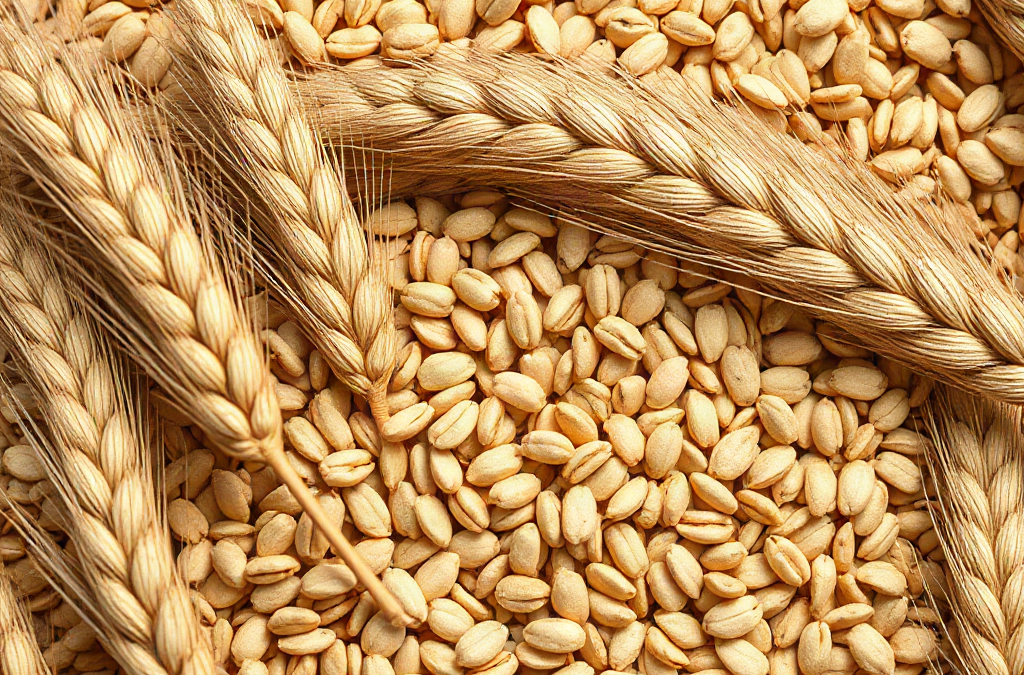
Wheat storage after opening a bulk package works best when the grain is inspected, divided into airtight food-grade containers, protected from insects and moisture, and labeled for orderly rotation. Keep a small working supply separate so repeated opening does not expose the entire reserve to humid air or pests. For longer holding periods, use an oxygen-barrier container and an oxygen-control method appropriate to dry whole wheat; never seal grain that feels damp or shows condensation. Store every container in a cool, dry, dark place off concrete, then check periodically for damaged seals, webbing, insects, musty odors, or moisture.
What Should You Check Before Repacking Opened Wheat?
Inspection should happen before wheat enters a new container, because an airtight seal preserves the grain’s existing condition rather than correcting a moisture or pest problem. Pour manageable portions into a shallow, light-colored tray under bright light. Look for live insects, larvae, fine webbing, clumped dust, kernels with holes, damp patches, and foreign material. Move the grain gently so evidence hidden below the surface becomes visible.
Odor and texture provide additional information. Sound dry wheat should consist of separate, hard kernels and should not feel tacky or unusually cool and moist in the hand. A musty, sour, fermented, or otherwise abnormal smell is a rejection signal rather than a reason to add more oxygen absorbers. Visible mold, wet clumps, or condensation inside the original package likewise calls for disposal rather than repacking. Do not taste questionable grain to decide whether it is acceptable.
The origin of moisture matters. A package brought from a cold location into a warm, humid room may collect condensation if opened immediately. Leaving the unopened package at room temperature before breaking the seal reduces that risk. By contrast, wheat that was exposed to a leaking wall, floodwater, or a wet floor has an uncertain contamination history. Moving it into a clean bucket does not make it suitable for storage.
A few damaged kernels from handling are different from widespread insect feeding or mold. Limited chaff may be screened out, but extensive powder, webbing, larvae, or recurring insects indicate that the lot should be isolated from other dry foods while its condition is assessed. Placing a suspect bag beside flour, rice, or another wheat reserve can spread a contained problem through the pantry.
A common mistake is assuming that wheat sold in bulk is automatically ready for long-term sealing. Packaging may be intended for transport or retail handling rather than years of storage, and grain can pick up humid air each time the bag is opened. Record the opening date, condition, and any unusual observations before transfer. That short note creates a baseline for later checks and makes it easier to distinguish a new problem from harmless characteristics already present.
Which Container and Seal Should You Use?
The appropriate container depends on how soon the wheat will be used and how often it must be accessed. A rigid food-grade container with a tight lid is practical for a working supply because it resists punctures and can be opened repeatedly. For a larger reserve intended to remain untouched, an oxygen-barrier liner inside a protective food-grade bucket offers a stronger barrier than a bucket alone. The outer bucket protects against crushing and rodents; the sealed liner limits exchange with surrounding air.
| Storage role | Practical container | Main limitation |
|---|---|---|
| Frequently used wheat | Small food-grade jar or pail with a tight lid | Repeated opening introduces air and humidity |
| Reserve kept sealed | Oxygen-barrier bag inside a food-grade bucket | Requires a sound heat seal and dry grain |
| Short-term overflow | Clean food-safe container with a gasketed lid | Barrier performance varies by lid and plastic |
Not every plastic container blocks oxygen and water vapor equally well. A snap-on lid may appear closed while leaving a pathway around the rim, and an ordinary retail bag can be punctured or gnawed. Inspect gaskets for cracks, remove grain dust from sealing surfaces, and confirm that the lid seats evenly. Reused containers are suitable only if they were designed for food and can be cleaned and dried completely. Containers that held chemicals, detergents, paint, or unidentified materials should never be repurposed for wheat.
Oxygen absorbers can support insect control and quality retention in properly sealed, low-moisture grain, but they are not interchangeable with desiccants. An absorber removes oxygen; a desiccant manages some moisture. Neither makes damp wheat safe, and adding both without a defined reason can create false confidence. Absorber selection must match the container volume, remaining air space, product instructions, and storage method rather than an improvised quantity.
Vacuum sealing can be useful for smaller portions, although hard wheat kernels may puncture thin bags during handling. A rigid outer container reduces that hazard. Glass gives a visible, nonporous barrier for modest quantities but is heavy, breakable, and admits light unless stored in darkness. Large buckets are more durable, yet a single bucket opened every week exposes the full amount. Dividing the lot into several sealed units usually provides better failure containment and easier rotation.
How Should an Open Bulk Package Be Repacked?
Repacking should separate everyday access from protected reserve inventory. Decide how much wheat the household normally mills or cooks before opening additional grain. Put that amount in a convenient working container, then divide the balance into portions small enough to use after each seal is broken. This approach limits the consequences of a damaged liner, loose lid, or unnoticed insect problem.
Prepare the work area before exposing the wheat. Clean and dry the containers, lids, scoop, tray, and sealer, then verify that no wash water remains in seams or under gaskets. Work away from steam, open windows during humid weather, pet food, and other grain products. Transferring wheat beside a boiling pot or damp sink can introduce moisture at the exact point when the kernels are about to be enclosed.
- Inspect: Examine representative portions from the top, middle, and bottom of the package rather than judging only the visible surface.
- Portion: Fill the working container first and place reserve portions in their separate liners or containers.
- Leave sealing room: Keep kernels and dust away from the closure so the zipper, gasket, or heat-seal area remains clean.
- Apply the chosen control: If using oxygen absorbers, follow their packaging and sizing directions and seal promptly after exposure.
- Verify the closure: Check the full heat-seal line or lid circumference for wrinkles, trapped kernels, gaps, and damage.
- Label: Record the grain type, purchase or packing date if known, repacking date, lot information, and any treatment used.
Do not overfill a liner and force it closed. Pressure from angular kernels can stress the seal or create tiny punctures when the bag is moved. Likewise, do not depend on a zipper closure alone when the bag is intended to be heat-sealed for reserve storage. The closure method should follow the liner manufacturer’s directions, with enough clean material above the grain to form an uninterrupted seal.
Freezing is sometimes used to manage insect concerns in dry grain, but household freezer performance, package thickness, portion size, and treatment time vary. More importantly, bringing a cold package into humid air can cause condensation. Anyone using a freezing method should keep the package closed until its contents return to room temperature and should avoid treating visibly damp or questionable grain as salvageable. A reliably sealed low-oxygen system may be more practical for a reserve, while freezing can fit smaller portions when temperature handling is controlled.
Get Whole Wheat Flour, Grains and Milling Supplies – CLICK HERE 
The process is working when closures remain intact, labels stay legible, and later-opened portions are dry, free-flowing, and normal in odor. Grain escaping around a seal, a lid that no longer seats, or air repeatedly entering a liner indicates a packaging failure. Transfer sound wheat promptly to a new dry container rather than covering a weak seal with tape and assuming the barrier has been restored.
Where Should Repacked Wheat Be Stored and Monitored?
A stable, cool, dry, dark interior location is preferable to a hot garage, damp basement, outdoor shed, or attic. Temperature swings accelerate quality loss and can move moisture through a storage area, while light and heat work against long holding quality. Choose a space away from plumbing, water heaters, exterior walls prone to condensation, household chemicals, and appliances that produce heat.
Keep containers elevated on shelving or a sound pallet rather than directly on concrete. Elevation makes leaks, insects, and rodent activity easier to see and reduces exposure to floor moisture. Allow enough clearance to inspect behind and beneath the containers. Stacking buckets so tightly that lower lids distort or every inspection requires dismantling a wall of grain creates an avoidable operational problem.
Rotation should be based on condition and packing date, not on an assumption that every container has an identical life. Use the oldest sound lot first and keep the working supply physically separate from sealed reserves. For example, a household that mills wheat weekly might refill a small kitchen pail from one reserve unit at a time. It should not open three large buckets merely to compare them or top off old grain with a newer purchase, because mixing dates destroys traceability.
Check the storage area more often after repacking and after events that change conditions, such as a plumbing leak, extended humid weather, rodent evidence, or a failed cooling system. Routine checks do not require opening intact reserve packages. Examine the exterior for chew marks, punctures, rust on metal components, loose lids, staining, unusual odors, insects nearby, or collapsed shelving. Opening a barrier bag simply to inspect the kernels can undermine the protected environment created during packing.
If a container shows condensation, leakage, swelling, a broken seal, or pest activity, isolate it before opening. Inspect it away from the rest of the food supply. Dry, normal-smelling wheat from a recently damaged outer bucket may only need a prompt transfer if the inner barrier is intact. Wheat with mold, wet clumps, strong off-odors, or an uncertain exposure to contaminated water should not be mixed with good stock or casually salvaged.
The recurring mistake is treating storage as a one-time packing task. Even a sound package remains vulnerable to punctures, rodents, flooding, and room conditions. Maintain a simple inventory showing location, portion size, and repacking date, then record damaged or consumed units. That system reveals whether the working quantity is appropriate and prevents an older container from disappearing behind newer purchases.
Frequently Asked Questions
Can wheat stay in its original bulk bag after opening?
It may remain there briefly if the bag is dry, clean, undamaged, and tightly closed, but many bulk bags provide limited protection from humidity, insects, punctures, and rodents. Transfer reserve wheat to sealed food-grade storage rather than repeatedly rolling the original bag shut.
Should opened wheat be refrigerated?
Whole dry wheat generally does not require refrigeration when kept in a suitable sealed container in a cool, dry location. Refrigeration can introduce condensation during temperature changes, so the package must remain tightly closed until it has warmed if moved to room conditions.
Can new wheat be poured on top of an older supply?
Separate lots are easier to rotate and trace. Topping off a container can leave older kernels at the bottom and can spread a problem from one purchase through the entire supply.
Do oxygen absorbers replace airtight packaging?
No. An absorber is useful only within a compatible, well-sealed barrier package. A loose lid, punctured bag, or poor heat seal allows outside air to enter and defeats the intended low-oxygen environment.
What signs mean stored wheat should be discarded?
Visible mold, wet clumps, persistent condensation, strong musty or fermented odors, or exposure to contaminated water are reasons not to use the grain. Isolate questionable wheat so it cannot affect other stored foods.
Conclusion
Opened bulk wheat remains manageable when access, protection, and inspection are treated as separate jobs. Examine the kernels before sealing, reject grain with moisture or spoilage evidence, and reserve a small container for routine use. Package the balance in clean food-grade units that match the intended holding period, keeping sealing surfaces free of dust and kernels.
Place the finished containers in a stable interior location where leaks, heat, insects, and rodents can be noticed early. Label each unit instead of mixing purchases, and inspect the storage area without unnecessarily opening sound reserve packages. The next practical step is to estimate the amount used between refills, prepare containers of that size, and repack the opened bag in one clean session. Good division and traceability reduce repeated exposure while limiting how much wheat is affected if one seal fails.
Get Whole Wheat Flour, Grains and Milling Supplies – CLICK HERE
Auto Amazon Links: No products found.