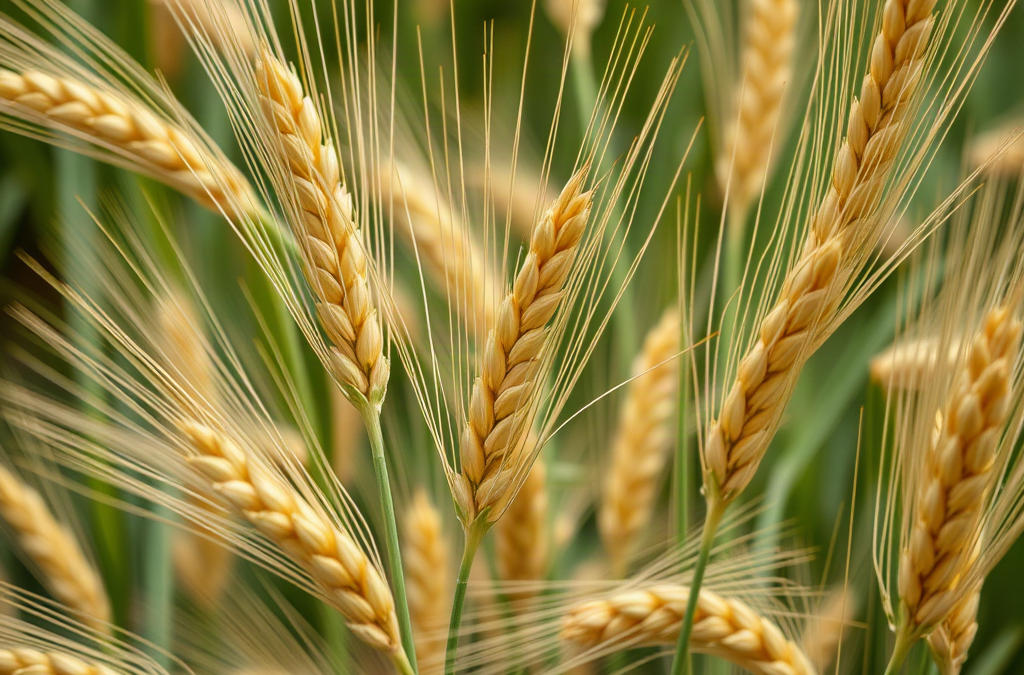
Wheat growth stages determine harvest and storage timing by showing when kernels have finished filling, reached physiological maturity, dried enough for combining, and become suitable for safe storage. Hard dough and loss of green color indicate that dry matter accumulation is nearly complete, but they do not prove the crop is dry enough to harvest. Combine timing should be based on measured kernel moisture, field losses, weather exposure, and available drying capacity. Grain should enter storage only at a moisture level appropriate for the intended storage period, then be cooled, aerated, and monitored because maturity in the field does not guarantee stability in a bin.
Which Wheat Growth Stages Matter for Harvest?
Late reproductive development provides the useful field signals for harvest planning. After heading and flowering, kernels pass through watery, milk, soft dough, and hard dough stages before reaching physiological maturity. These stages describe kernel development rather than calendar dates. Variety, planting date, temperature, soil moisture, disease pressure, and uneven emergence can place different parts of a field at different points on the same day.
During milk and soft dough, the plant is still moving photosynthate into the kernels. A kernel squeezed at milk stage releases a milky fluid; later, the soft-dough kernel has a dough-like interior and can be pressed easily. Cutting at either point sacrifices potential dry matter and produces grain that is far too wet for ordinary storage. The crop may look yellow from a distance while shaded tillers, late heads, or kernels lower on the head remain immature.
Hard dough is the first stage that supports serious harvest preparation. Kernels are firm, the plant has largely lost its green color, and the heads and straw are approaching their mature appearance. A thumbnail may still dent a kernel, however, so hard dough is not the same as combine-ready dryness. Equipment preparation, bin cleaning, moisture-meter checks, and drying arrangements belong here—not an automatic decision to begin combining.
Physiological maturity follows when kernel dry-weight accumulation has ended. Depending on the wheat and local conditions, a darkened layer or loss of green tissue near the kernel attachment may help identify this transition. These visual signs are useful for scouting, but a representative moisture sample remains more reliable for operational decisions. Weathering after maturity can reduce test weight or encourage sprouting under persistent wet conditions, while harvesting excessively early creates more drying cost and handling risk.
A practical scouting sequence is:
- Inspect several field zones. Include high ground, low areas, field edges, and sections with different emergence dates.
- Open kernels from multiple heads. Compare the least mature areas with the field average rather than selecting only dry-looking heads.
- Record stage and moisture separately. Growth stage shows development; moisture testing shows handling readiness.
- Recheck after weather changes. Rain, dew, heat, and wind can alter surface and kernel moisture without reversing physiological maturity.
The common mistake is treating crop color as a moisture test. A tan canopy may contain kernels too wet for the available storage system, and green weeds can complicate combining even when the wheat itself is mature. Stage observations should narrow the harvest window; measurements and handling capacity should select the actual day.
Why Is Physiological Maturity Different From Combine Readiness?
Physiological maturity marks the end of kernel filling, whereas combine readiness reflects whether the crop can be harvested efficiently and managed after threshing. The interval between them matters because kernels commonly retain substantial moisture when dry matter accumulation stops. The plant has completed its yield-building work, but the grain still needs to lose water through natural field drying or mechanical drying.
This distinction changes how a producer interprets an approaching storm. Once the crop is physiologically mature, waiting does not add kernel dry matter. Waiting may reduce drying expense, but it can also increase exposure to shattering, lodging, hail, repeated wetting, wildlife, or preharvest sprouting where susceptible grain remains wet. Harvesting sooner shortens field exposure but transfers the moisture problem to trucks, dryers, and bins.
Consider two mature fields. The first is standing evenly, has a clean understory, and faces a dry forecast. Natural drying may be the economical choice if field losses remain low. The second has lodged patches and repeated rain in the forecast. Earlier combining may protect recoverable grain, provided the operator has enough drying capacity and can prevent wet grain from sitting warm in a truck or bin. The growth stage is similar, but the correct operational choice differs.
| Field condition | What it indicates | Practical response |
|---|---|---|
| Milk or soft dough kernels | Kernel filling is still underway | Continue scouting; do not treat canopy color as harvest readiness |
| Hard dough with fading green tissue | Maturity is approaching | Prepare equipment, storage, sampling tools, and drying plans |
| Physiologically mature but moist grain | Yield formation has ended, but water remains | Balance weather risk against drying and handling capacity |
| Dry kernels with rising head or ground loss | The economical field window may be closing | Prioritize harvest and verify combine settings |
The weak assumption is that the driest possible standing crop produces the best outcome. Extended field drying can lower dryer use, yet every additional day exposes mature heads to loss. Conversely, taking wet wheat without a tested drying route can create heating and spoilage risks. The useful target is not maximum field dryness; it is the lowest combined risk across field loss, harvest performance, drying expense, grain quality, and storage duration.
How Should Kernel Moisture and Field Conditions Shape Timing?
Representative kernel moisture should control the move from maturity scouting to harvest action. A handheld or combine-mounted meter is valuable only when the sample represents the field and the instrument is used correctly. Collect grain from more than one pass or field zone, avoid relying on a handful of exposed heads, and account for moisture changes between a dewy morning and a dry afternoon. When grain will be sold or stored for a long period, compare the working meter with the receiving elevator or another dependable reference.
A single universal moisture target is misleading. Acceptable harvest moisture depends on whether grain will be delivered promptly, dried mechanically, held briefly with aeration, or stored through warm weather. Storage recommendations also vary with storage length and local climate. The correct target should therefore come from the buyer’s specifications, drying-system design, and current university extension or grain-handling guidance for the region.
Field variability deserves special attention. A moisture reading averaged from dry main stems and wet late tillers can conceal pockets that behave poorly in storage. Green weeds may add moisture and foreign material during threshing. Lodged areas can remain damp near the soil even while upright heads are ready. In such a field, harvesting the uniform portion first or separating wetter loads may be safer than blending everything and assuming the average will remain stable.
Combine performance supplies another decision signal. Grain that is too wet may thresh reluctantly, leave unthreshed heads, or carry more plant material into the tank. Grain that has become very dry may crack more readily or shatter before entering the machine. Check losses behind the combine rather than attributing every kernel on the ground to weather. Cylinder or rotor speed, concave clearance, fan settings, travel speed, and crop condition interact; settings that worked at midday may need adjustment after evening moisture rises.
Get Whole Wheat Flour, Grains and Milling Supplies – CLICK HERE 
Signs the timing plan is working include consistent moisture samples, clean threshing, manageable dockage, low measured machine loss, and loads that can be dried or aerated immediately. Warning signs include condensation, warm grain waiting in transport, moisture readings that vary sharply among loads, wet material accumulating in the tank, or bin temperature increasing after filling. Those signals call for slower intake, load segregation, prompt drying, or a pause—not confidence in the field’s visual maturity.
Moving Wheat From the Field to Stable Storage
Storage readiness begins with the first harvested load, not after the bin is full. Mature wheat can still deteriorate if it enters a structure with residual grain, insects, roof leaks, blocked aeration floors, or an inaccurate temperature cable. Empty-bin sanitation and equipment inspection should be completed while the crop is at hard dough or approaching maturity, leaving time to correct problems before harvest pressure begins.
Each load should have an identified route: immediate sale, direct storage at suitable moisture, or drying followed by storage. Wet grain should not be buried beneath dry grain without a deliberate management plan. Moisture can migrate, and fines concentrated in the bin center restrict airflow. Coring or otherwise managing the concentration of fines may improve aeration uniformity, but the appropriate method depends on bin design and local safety practices.
Cooling is distinct from drying. Aeration fans can equalize temperature and remove limited field heat, but ordinary aeration should not be assumed to correct grain that is substantially wetter than the safe level for its planned storage period. Mechanical drying capacity, airflow, ambient conditions, and grain depth determine what can be accomplished. If incoming wheat exceeds the system’s capability, reducing harvest pace or arranging alternate delivery is safer than filling faster and hoping airflow catches up.
Use a short intake checklist for every bin:
- Confirm the bin is clean, dry, weather-tight, and safe to operate.
- Record load moisture, temperature, source field, and any visibly wet or weedy areas.
- Keep the aeration path clear and level the grain as the system requires.
- Cool or dry promptly according to the measured condition and intended holding time.
- Inspect stored wheat regularly for temperature change, condensation, crusting, odor, or insect activity.
A common failure is using a safe-looking average to ignore a wet pocket. Grain from a low area, an evening load, or a patch with green weeds can create a local zone of biological activity even when the combined load average appears acceptable. Separate questionable grain when practical and monitor it more closely. If temperature rises without an explained weather effect, investigate promptly rather than waiting for visible mold or odor.
The intended storage period should influence every threshold. Grain held briefly during cool conditions may tolerate management choices that are unsuitable for months of storage through seasonal warming. For exact moisture and aeration targets, follow regional extension guidance, buyer requirements, and the operating limits of the installed system. Growth stage tells when the crop has completed development; disciplined measurement and bin management determine whether its quality survives.
Frequently Asked Questions
Can wheat be harvested at physiological maturity?
It may be harvested after physiological maturity if equipment can thresh it and adequate drying is immediately available. The grain is often too moist for direct storage at that point, so measured moisture and dryer capacity must govern the decision.
Does hard dough mean wheat is ready for the combine?
No. Hard dough shows that maturity is approaching and harvest preparation should be underway. Test kernel moisture and inspect threshing conditions before deciding that the crop is combine-ready.
Why can different parts of one wheat field mature at different times?
Uneven emergence, soil moisture, elevation, variety mixtures, fertility, disease, and late tillers can all change development. Sample contrasting field zones rather than judging readiness from an edge or a single dry patch.
Can aeration make wet wheat safe for storage?
Aeration is primarily used to manage grain temperature and limited moisture differences. It should not be assumed to replace mechanical drying when wheat is wetter than the recommended level for its storage period and local conditions.
What should be recorded for each harvested load?
Record moisture, temperature, source field or zone, harvest time, visible weeds or foreign material, and the load’s destination. These notes help identify wet pockets and explain later differences among bins or deliveries.
Conclusion
Late wheat development should trigger a sequence of decisions rather than a harvest date based on appearance alone. Use milk and dough stages to follow kernel filling, hard dough to activate equipment and storage preparations, and physiological maturity to recognize that additional field time no longer adds kernel dry matter. Then shift attention to representative moisture tests, weather exposure, combine losses, dryer capacity, and the condition of each bin.
Scout contrasting parts of the field, verify the moisture meter, and give every load a storage or drying route before it leaves the field. Separate unusually wet or weedy grain when possible, cool stored wheat appropriately, and watch for temperature changes or condensation. The strongest timing decision is the one that protects grain across the entire handoff from mature head to stable bin, rather than optimizing field drying while ignoring handling limits.
Get Whole Wheat Flour, Grains and Milling Supplies – CLICK HERE
Auto Amazon Links: No products found.