
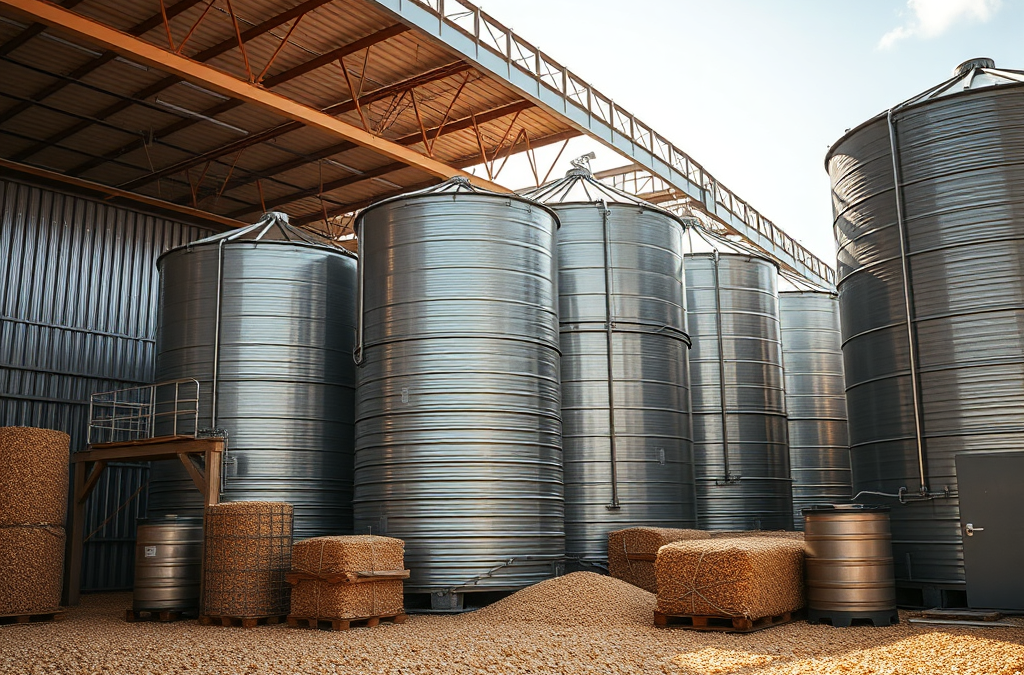
Analyzing the cost of bulk grain storage requires a comprehensive understanding of various components, including initial capital investments, ongoing operational expenses, and potential losses from spoilage. Selecting the appropriate storage facility can significantly impact overall costs; for instance, while silos provide excellent protection and capacity, they demand a higher upfront investment. It's essential to maintain these facilities properly to avoid escalating costs due to repairs and spoilage. Additionally, underestimating storage needs or neglecting environmental controls can lead to increased losses, making it vital for grain handlers to assess their specific requirements thoroughly. By focusing on these aspects, stakeholders can enhance their storage efficiency and minimize expenses.
Understanding the Cost Components of Bulk Grain Storage
The cost of bulk grain storage can be broken down into several key components that significantly influence overall expenses. These include initial capital investments, operational costs, and potential losses due to spoilage or pest infestations. Understanding these elements is crucial for farmers and grain handlers to optimize their storage strategies.
Capital investments involve the purchase or rental of storage facilities, which can vary widely in price based on location, size, and technology used. Operational costs encompass utilities, labor, and maintenance. For instance, a well-maintained facility can lead to lower energy costs and reduced risk of spoilage, while neglecting maintenance can escalate costs due to repairs and losses.
Another critical aspect is the risk of spoilage, which can arise from inadequate ventilation or moisture control. Farmers must account for these potential losses in their overall cost analysis. By closely monitoring these components, stakeholders can make informed decisions that enhance the efficiency and cost-effectiveness of their grain storage.
Evaluating Storage Facility Options
When analyzing the cost of bulk grain storage, choosing the right storage facility is paramount. Different types of facilities, such as silos, warehouses, and bunkers, come with varying costs and benefits. For example, silos offer high capacity and protection from the elements but require significant upfront investment and ongoing maintenance.
On the other hand, warehouses may provide more flexibility in terms of space and can be easier to modify, but they might not offer the same level of protection against pests and moisture. Understanding the unique advantages and disadvantages of each type of storage option helps stakeholders align their choices with their operational needs and budget constraints.
Additionally, the location of the storage facility can impact transportation costs and accessibility. Facilities closer to grain production areas may reduce transportation expenses, while those located in strategic market areas can enhance distribution efficiency. Evaluating these factors ensures a holistic approach to analyzing grain storage costs.
The Impact of Maintenance and Management
Maintenance and management practices play a critical role in determining the overall cost-effectiveness of bulk grain storage. Regular inspections and timely repairs can prevent costly breakdowns and prolong the lifespan of storage facilities. For instance, monitoring humidity levels and ensuring proper ventilation can mitigate spoilage risks, safeguarding the quality of stored grain.
Effective management also includes implementing pest control measures and staff training on best practices for grain handling. Neglecting these aspects can lead to significant losses, both in terms of grain quality and financial resources. For example, improper grain handling can cause physical damage, while pest infestations can result in substantial losses if not addressed promptly.
Furthermore, investing in technology, such as automated monitoring systems, can enhance management efficiency and reduce labor costs. These systems can provide real-time data on storage conditions, enabling proactive interventions that preserve grain quality and minimize waste.
Common Mistakes in Grain Storage Analysis
When analyzing the cost of bulk grain storage, several common mistakes can lead to inaccurate budgeting and poor decision-making. One prevalent error is underestimating the required storage capacity. Overlooking this aspect can result in inadequate storage solutions, leading to increased transportation costs or spoilage due to overcrowding.
Another mistake is failing to account for environmental factors that can affect grain quality. For instance, neglecting to consider local climate conditions can lead to improper storage setups, increasing the risk of moisture damage and pest infestations. Stakeholders should conduct thorough assessments before establishing storage solutions to avoid these pitfalls.
Get Whole Wheat Flour, Grains and Milling Supplies – CLICK HERE

Moreover, not regularly reviewing and updating storage practices can hinder efficiency and cost-effectiveness. As technology and market conditions evolve, staying informed about best practices and innovations in grain storage is essential for maintaining a competitive edge.
Frequently Asked Questions
What are the main costs associated with bulk grain storage?
The main costs include initial capital investments, operational expenses such as utilities and labor, and potential losses from spoilage or pest infestations.
How can I determine the right storage capacity for my needs?
Assess your grain production levels and consider future growth to estimate the necessary storage capacity, avoiding underestimation.
What maintenance practices should I implement?
Regular inspections, timely repairs, humidity monitoring, and pest control measures are essential for maintaining storage quality and preventing losses.
Why is location important for grain storage facilities?
Location affects transportation costs, accessibility to markets, and the overall efficiency of grain distribution, impacting profitability.
What common mistakes should I avoid in grain storage analysis?
Avoid underestimating storage needs, neglecting environmental factors, and failing to review and update storage practices regularly.
Conclusion
Analyzing the cost of bulk grain storage is essential for optimizing operations and ensuring financial viability. By understanding the various cost components, evaluating storage options, and implementing effective management practices, stakeholders can significantly reduce expenses and improve grain quality. Prioritizing regular assessments and avoiding common pitfalls will lead to better decision-making and a more sustainable grain storage approach.
Get Whole Wheat Flour, Grains and Milling Supplies – CLICK HERE
Auto Amazon Links: No products found.




