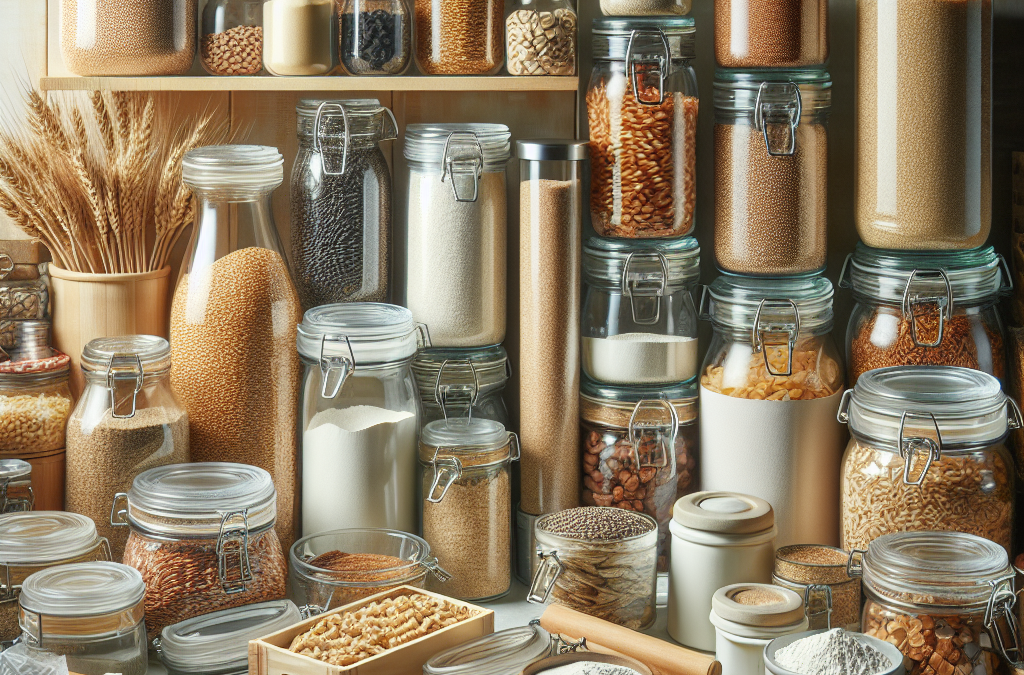
When considering home grain storage shelves, it’s important to prioritize functionality and space efficiency. Many homeowners underestimate the value of a well-organized storage solution that allows for easy access and visibility. It’s common for people to overcrowd their shelves or use inappropriate containers, leading to wasted space and potential spoilage. Investing in quality shelving and containers not only enhances organization but also prolongs the shelf life of grains and other dry foods.
Another frequent mistake is neglecting the importance of airflow and humidity control. Storing grains in airtight containers is crucial, but so is ensuring that the storage area itself is well-ventilated and dry. High humidity can lead to mold growth and spoilage, while inadequate airflow can cause temperature fluctuations that affect the quality of the grains. Therefore, selecting the right shelving unit and location in your home is a critical step in successful grain storage.
Choosing the Right Shelving Material
Selecting the appropriate material for your grain storage shelves is crucial for durability and functionality. Common materials include metal, wood, and plastic, each offering distinct advantages. Metal shelves are often more durable and resistant to pests, while wood provides a classic aesthetic and can be treated for moisture resistance. Plastic shelves are lightweight and easy to clean, making them a practical choice for many.
Consider the weight capacity of the shelves as well. Grains can be heavy, especially when stored in bulk, so ensure that your shelving can support the weight without bowing or collapsing. Additionally, ease of cleaning is essential to maintain hygiene and prevent contamination from pests. A smart choice would be to use materials that are both sturdy and easy to maintain.
Lastly, think about the design of the shelving unit. Adjustable shelves can provide flexibility for different container sizes and help maximize vertical space. This adaptability is particularly beneficial in smaller storage areas where every inch counts. By choosing the right materials and design, you can create an effective grain storage system.
Optimal Container Types for Grain Storage
The type of containers you use for storing grains plays a significant role in preserving their quality. Airtight containers are essential for preventing moisture and pests from affecting the stored grains. Glass, BPA-free plastic, and food-grade metal containers are popular choices, each offering unique benefits. Glass containers allow you to see the contents easily, while plastic containers are lightweight and less prone to breakage.
It’s also important to select containers that are appropriately sized for your storage needs. Larger containers work well for bulk grains, while smaller ones are ideal for frequently used items. Additionally, consider using labels to mark the contents and expiration dates, which can help you manage your inventory effectively and reduce waste.
Keep in mind that the wrong container can lead to spoilage, so avoid using containers that are not certified for food storage. Ensuring that your containers are clean and dry before filling them is also crucial. This practice helps maintain the quality of the grains and prevents contamination.
Maintaining Ideal Storage Conditions
Creating and maintaining ideal storage conditions for your grains is vital for their longevity. Grains should be stored in a cool, dry place away from direct sunlight. High temperatures and humidity can lead to mold growth and spoilage, so monitoring the climate in your storage area is essential.
Consider using a hygrometer to measure humidity levels, aiming for a relative humidity below 60%. Additionally, regular inspection of your stored grains is important to catch any signs of spoilage or pest activity early. Implementing a first-in-first-out system can also help ensure that older grains are used before newer ones, reducing waste.
Furthermore, if you live in a particularly humid area, investing in a dehumidifier or using silica gel packets can help control moisture levels. Prioritizing these environmental factors will make a significant difference in the quality of your stored grains.
Get Whole Wheat Flour, Grains and Milling Supplies – CLICK HERE

Common Mistakes in Grain Storage
Many individuals make mistakes when it comes to grain storage that can lead to waste and spoilage. One common error is failing to clean containers before use, which can introduce contaminants. Always wash and dry containers thoroughly before filling them with grains to prevent spoilage.
Another frequent mistake is overcrowding shelves, which can limit airflow and increase humidity levels. It’s important to leave space between containers to allow for proper air circulation. Additionally, neglecting to rotate stored grains can result in older grains going bad while newer ones remain untouched.
Lastly, some people overlook the importance of pest control. Ensure your storage area is clean and free from potential pest attractants. Regularly check for signs of infestation and take immediate action if any are found. By avoiding these common pitfalls, you can enhance the effectiveness of your grain storage solution.
Further Reading
Authoritative Sources
- Iowa State University Extension and Outreach
extension.iastate.eduThis source provides detailed guidelines on storing grains effectively
- USDA Food Safety and Inspection Service
fsis.usda.govOffers information on safe food storage practices, including grains
- National Agricultural Library
nal.usda.govA comprehensive resource for agricultural information, including storage techniques
Frequently Asked Questions
What are the best materials for home grain storage shelves?
Metal, wood, and high-quality plastic are ideal materials. Metal shelves offer durability, while wood adds aesthetic appeal, and plastic is lightweight.
How do I prevent pests in my grain storage?
Keep the storage area clean, use airtight containers, and regularly inspect for signs of infestation.
What is the ideal humidity level for storing grains?
A relative humidity level below 60% is ideal to prevent mold and spoilage.
How can I tell if grains have gone bad?
Signs include off odors, discoloration, or the presence of pests. Regular inspections will help catch issues early.
Can I store grains in a basement?
Yes, as long as the basement is cool and dry. Ensure proper ventilation to avoid humidity issues.
Conclusion
Ultimately, effective home grain storage shelves are essential for maintaining the quality of your grains and dry foods. Focus on choosing the right materials, optimal containers, and maintaining ideal storage conditions to prolong the shelf life of your supplies. By avoiding common storage mistakes and prioritizing cleanliness and organization, you can ensure your grains remain fresh and safe for consumption. Take the time to assess your current storage solutions and make improvements where necessary, ensuring your food supply is well-preserved for the future.
Get Whole Wheat Flour, Grains and Milling Supplies – CLICK HERE
Auto Amazon Links: No products found.