To store large quantities of food effectively, it’s essential to choose the right containers and maintain optimal conditions. Airtight containers, such as glass jars or vacuum-sealed bags, protect food from moisture and pests, ensuring longevity. Regularly monitor temperature and humidity, aiming for a cool, dark environment between 50°F and 70°F. A common mistake is reusing non-food containers, which can lead to spoilage. Instead, prioritize clean, dedicated storage options to preserve the quality of your bulk purchases, particularly for non-perishables like grains and canned goods.
Choosing the Right Storage Containers
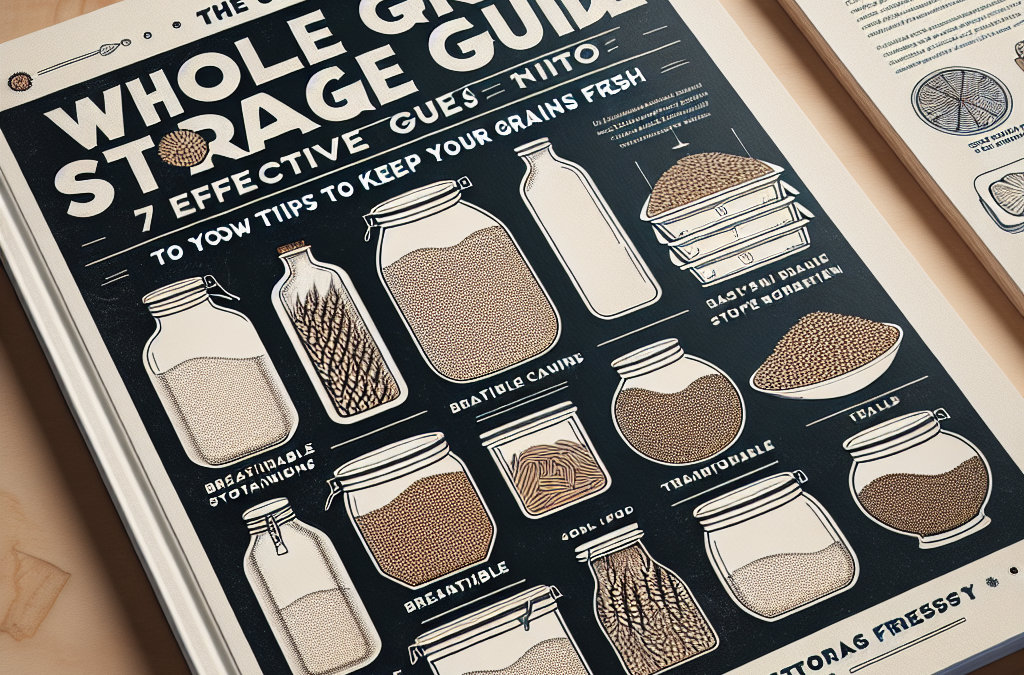
Effective food storage begins with selecting the appropriate containers. Airtight containers are vital for preserving the quality of bulk foods, as they protect against moisture, air, and pests. Glass jars, plastic bins, and vacuum-sealed bags are excellent choices. For dry goods like grains, using food-grade buckets with gamma lids can simplify access while ensuring long-term freshness.
Another key consideration is the size of the container. Larger containers are suitable for bulk items, while smaller ones can be used for daily access. Ensure that all containers are clean and dry before use to prevent contamination. A common mistake is reusing containers that previously held non-food items, which can lead to spoilage or contamination.
Optimal Conditions for Food Storage
Maintaining optimal storage conditions is crucial for food longevity. Temperature and humidity levels should be monitored regularly. Most foods are best stored in a cool, dark place, ideally between 50°F and 70°F (10°C to 21°C). High humidity can lead to mold growth, while low humidity can cause food to dry out.
Using a hygrometer can help track humidity levels, and using desiccants in containers can further reduce moisture. It’s also important to ensure good air circulation in storage areas to prevent heat buildup. A common pitfall is neglecting to check these conditions, leading to premature spoilage.
Best Practices for Specific Food Types
Different food types require tailored storage methods to maximize their shelf life. For example, grains should be kept in airtight containers away from light to prevent rancidity. Canned goods can last for years, but should be stored in a cool, dry place to avoid rusting and deterioration of seals.
Fruits and vegetables have specific needs as well; root vegetables like potatoes and carrots prefer dark, cool environments, while fruits may require refrigeration once ripe. Understanding these nuances ensures that each food type retains its quality and safety over time. One common error is mixing different food types in the same container, which can lead to cross-contamination and spoilage.
Common Mistakes in Food Storage
Several common mistakes can undermine efforts to store large quantities of food effectively. One significant error is failing to rotate stock, which can lead to older items being overlooked and expiring. Implementing a first-in, first-out (FIFO) system helps ensure that older items are used first.
Another mistake is overpacking containers, which can lead to damaged food and wasted space. Ensure that there is enough room for air circulation within containers, and avoid filling them to the brim. Lastly, neglecting to label containers can make it difficult to track inventory, leading to confusion and waste.
Frequently Asked Questions
What are the best containers for storing large quantities of food?
Airtight containers made of glass or food-grade plastic are ideal for storing large quantities of food, as they protect against moisture, pests, and air exposure.
How can I maintain the right humidity for food storage?
Using a hygrometer to monitor humidity levels and incorporating desiccants in storage containers can help maintain the right humidity for food storage.
What are common mistakes to avoid in food storage?
Common mistakes include neglecting to rotate stock, overpacking containers, and failing to label items, which can lead to spoilage and confusion.
How should I store different types of food?
Grains should be stored in airtight containers in a cool, dark place, while fruits and vegetables have specific needs based on ripeness and type, such as refrigeration for ripe fruits.
What temperature is best for storing food?
The ideal temperature for storing most foods is between 50°F and 70°F (10°C to 21°C) to ensure longevity and prevent spoilage.
Conclusion
Storing large quantities of food effectively requires careful attention to container choice, environmental conditions, and specific food types. By understanding the nuances of food storage, you can significantly extend the shelf life of your supplies and reduce waste. Implementing best practices and avoiding common mistakes will yield better results and ensure that your food remains safe and fresh for longer periods. Begin by assessing your current storage methods and making adjustments where necessary to optimize your food preservation efforts.
Get Whole Wheat Flour, Grains and Milling Supplies – CLICK HERE

Auto Amazon Links: No products found.
Further Reading
Authoritative Sources
- Food Storage, Part 1: Common Methods of ...
myfoodstoragecookbook.comFrozen: By far, freezing is probably the easiest and most familiar form of food preservation for most of us. · Canned: Most people are familiar ...
- 10 Essential Steps for Long Term Food Storage and Self- ...
proactivefoods.co.za1. Assess Your and Your Family's Needs · 2. Understand the type of Emergencies you may face · 3. Decide on a Storage Space · 4. Determine What ...
- Food Storage Hacks and Best Practices - Sharp USA Blog
simplybetterliving.sharpusa.comHere are some savvy food storage hacks to ensure that your food stays fresh and that you have ample room to stock up.