
by Grain Storehouse Editorial Team | Oct 20, 2026 | Long Term Storage
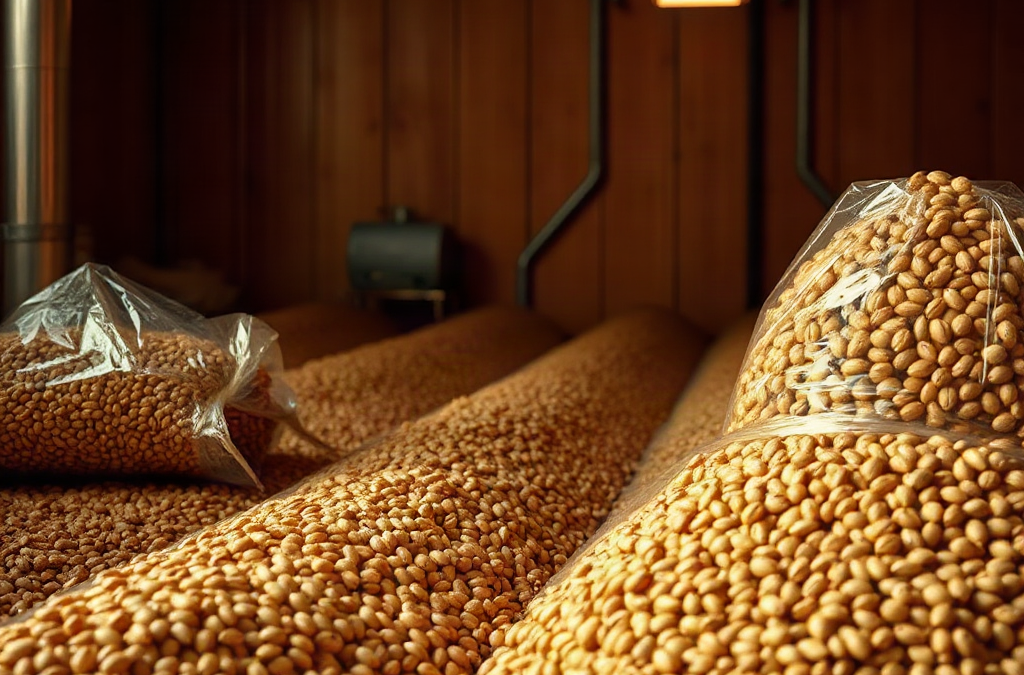
Spring wheat and winter wheat do not require fundamentally different storage systems; safe storage for both is governed primarily by kernel moisture, temperature, cleanliness, insect activity, and intended holding time. Spring wheat is often higher in protein and may arrive from a later, warmer harvest, while winter wheat may enter…
by Grain Storehouse Editorial Team | Oct 17, 2026 | Long Term Storage
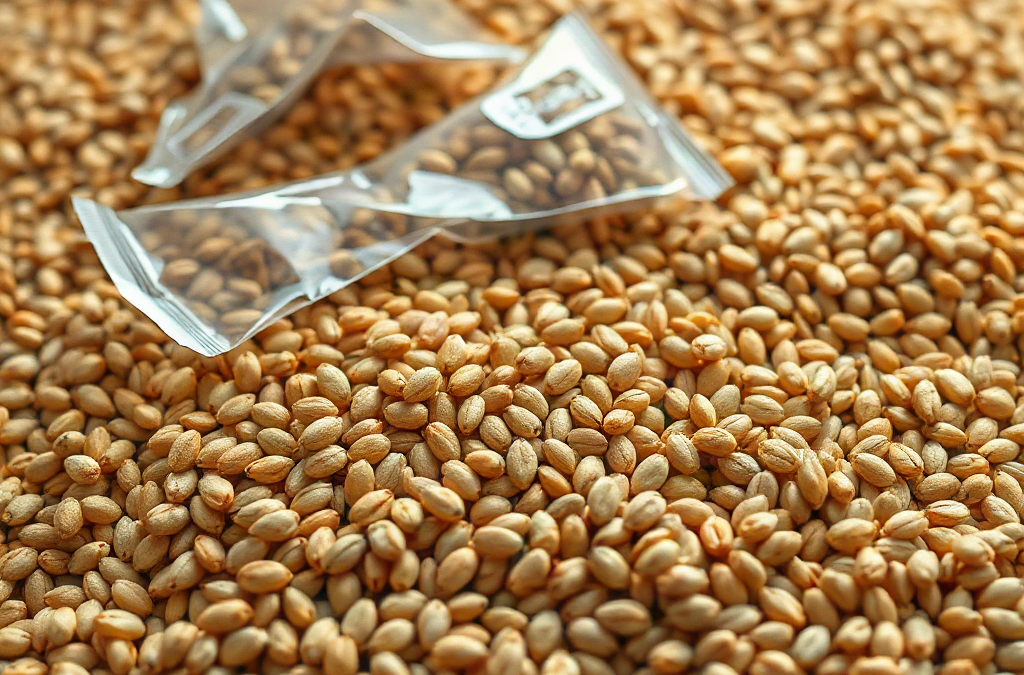
Compare grain storage climates by measuring temperature, relative humidity, seasonal fluctuation, condensation risk, and the room’s exposure to heat or moisture sources. A cool location is not automatically suitable if damp air enters regularly, while a warmer but stable and dry interior space may protect grain better.
by Grain Storehouse Editorial Team | Oct 17, 2026 | Long Term Storage, Whole grains
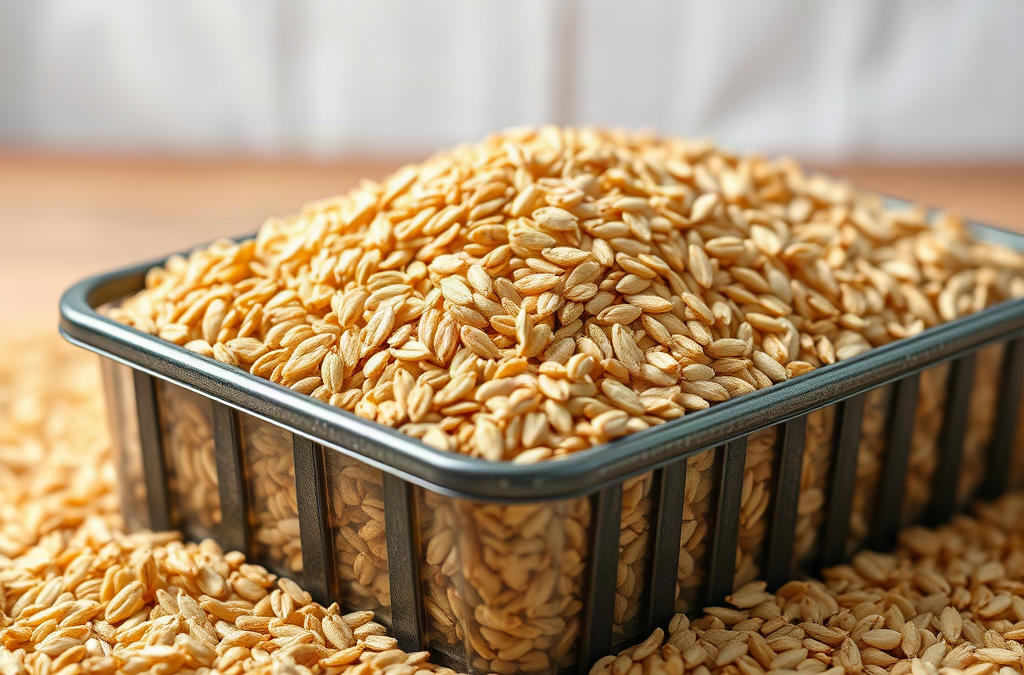
Recover grain after a minor leak by stopping the water, isolating affected containers, and separating completely dry grain from any kernels, flour, or packaging that became damp. Discard grain touched by sewage, roof runoff, chemicals, pests, mold, or unknown water rather than trying to dry it for food.
by Grain Storehouse Editorial Team | Oct 16, 2026 | Long Term Storage, Whole grains
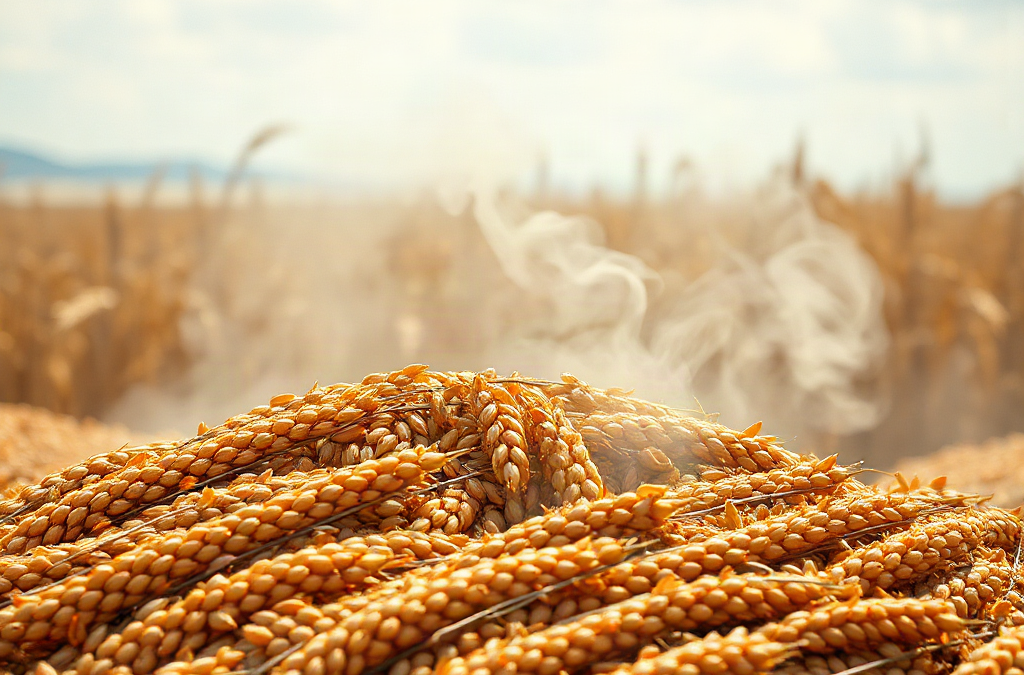
Grain storage changes that prevent freezer burn focus on limiting air exposure, moisture migration, and repeated temperature changes around frozen grain. Replace thin bags or loosely closed packages with moisture-vapor-resistant freezer bags, vacuum-sealed pouches, or rigid airtight containers, and divide grain into portions that can be removed without reopening the main supply.

by Grain Storehouse Editorial Team | Oct 16, 2026 | Long Term Storage
Grain storage ventilation without humidity gain depends on running fans only when incoming air can cool or equalize the grain without raising its equilibrium moisture content. Compare outside temperature and relative humidity with grain temperature, account for condensation at bin surfaces, and stop airflow when damp air would move the grain toward unsafe moisture levels.
by Grain Storehouse Editorial Team | Oct 14, 2026 | Long Term Storage
Handle grain exposed to smoke by isolating the lot, stopping its use, and assessing the fire source, packaging, heat, soot, water, and chemical exposure before deciding whether disposal or professional testing is appropriate. Grain in paper, cloth, woven plastic, or open containers should not be assumed safe because smoke odors…