
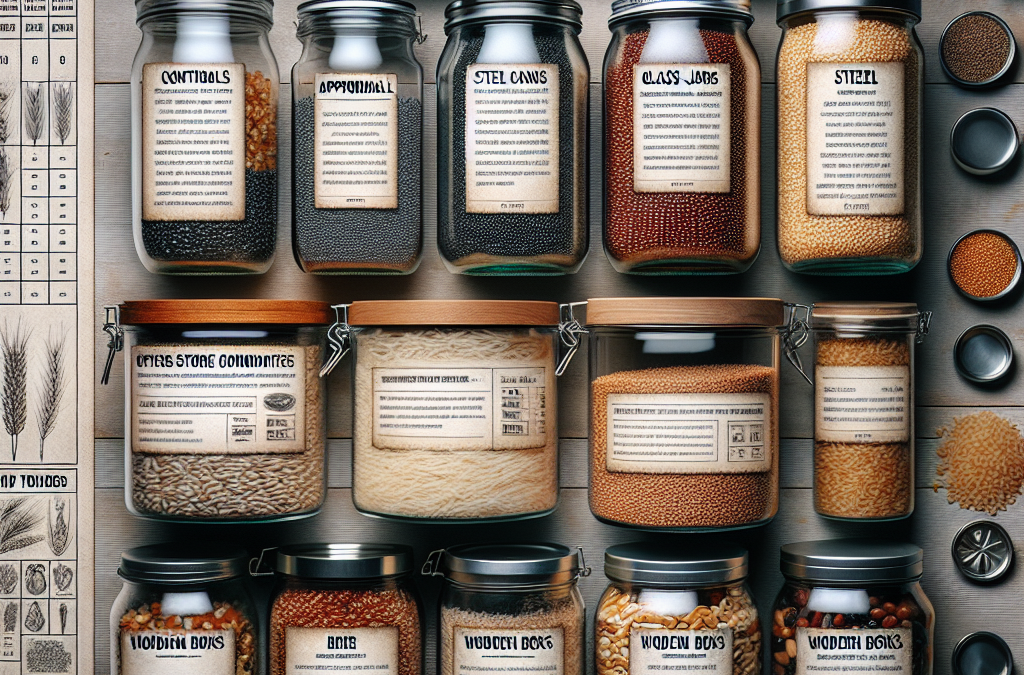
Grains for food preparedness serve as a critical component for long-term survival strategies, providing essential nutrients and energy. Options like wheat, rice, oats, and barley are not only shelf-stable but also versatile, making them ideal for stocking up during emergencies.
Prioritizing grains in your food preparedness strategy ensures that you have reliable sources of carbohydrates, proteins, and fibers. While many people focus on canned goods and freeze-dried meals, grains are often overlooked despite their long shelf life and ease of preparation. Not understanding the specific types of grains and their storage requirements can lead to waste and nutritional deficiencies during emergencies.
It’s crucial to consider the nutritional profiles of various grains, as well as their cooking needs and how they fit into your overall diet. For instance, whole grains retain more nutrients than processed ones, and understanding cooking times can help you prepare meals efficiently. The trade-off between convenience and nutritional value is often a key consideration for those planning for food preparedness.
Top Grains for Food Preparedness
Wheat, rice, oats, and barley are some of the best grains for food preparedness due to their nutritional value and adaptability. Wheat, especially hard red winter wheat, is a staple that can be ground into flour for various baked goods. Rice, particularly brown rice, offers a high energy yield and can be used as a base for many meals. Oats provide fiber and are great for breakfast options, while barley is rich in vitamins and can be used in soups and stews.
When choosing grains, consider the variety and how they can be incorporated into your diet. For example, quinoa, though technically a seed, is often categorized with grains and is a complete protein source. It’s essential to have a mix of grains to ensure a balanced intake of nutrients. Additionally, factors such as taste preferences and cooking methods should influence your choices to maintain variety in your meals.
Furthermore, think about the purpose behind your grain selection. If you are preparing for a long-term situation, include grains that can be sprouted or fermented, as these methods can enhance their nutritional profile. Understanding the versatility of different grains can help you maximize their use in your food preparedness plan.
Storage Methods for Long-Term Viability
Proper storage is vital for maintaining the quality of grains over time. Ideally, grains should be kept in a cool, dry place in airtight containers to prevent moisture and pests. Mylar bags with oxygen absorbers are a popular choice for long-term storage, as they effectively minimize oxidation and keep grains fresh for years.
Another effective method is vacuum sealing, which removes air from the packaging and inhibits spoilage. Be sure to label your containers with the type of grain and the date of storage to keep track of their shelf life. Regularly check your supplies for any signs of spoilage or infestation, as even the best storage methods can fail.
Prioritize grains that are naturally resistant to pests, such as rice and wheat, while being mindful of the humidity levels in your storage area. In humid climates, consider using dehumidifiers or silica gel packets to absorb excess moisture. Understanding these storage nuances is crucial for ensuring that your grains remain viable for consumption when needed.
Nutritional Benefits of Grains
Grains are an excellent source of carbohydrates, which provide the energy needed for daily activities, especially during emergencies. Whole grains are particularly beneficial, as they retain the bran and germ, offering more fiber, vitamins, and minerals compared to their refined counterparts.
For instance, whole wheat is high in B vitamins, iron, and magnesium, while oats are known for their heart-healthy beta-glucans. Incorporating a variety of grains in your diet can help prevent deficiencies and support overall health, especially during stressful situations where access to fresh foods may be limited.
Moreover, understanding the glycemic index of different grains can help you choose options that provide sustained energy without spikes in blood sugar. Prioritizing low-glycemic grains like barley and quinoa can contribute to better blood sugar control and overall health during food shortages.
Common Mistakes to Avoid
One common mistake in food preparedness is neglecting the importance of diverse grain options. Focusing solely on one type of grain can lead to nutritional imbalances and meal fatigue. It’s essential to create a balanced stockpile that includes various grains to ensure a well-rounded diet.
Get Whole Wheat Flour, Grains and Milling Supplies – CLICK HERE

Another pitfall is improper storage, which can lead to spoilage and waste. Be sure to follow best practices for storage and regularly inspect your supplies. Additionally, many people underestimate the cooking times and preparation methods required for different grains, leading to frustration during meal preparation.
To avoid these mistakes, educate yourself about the grains you are storing, their nutritional values, and their specific storage needs. This will empower you to make informed decisions that enhance your food preparedness strategy.
Further Reading
Authoritative Sources
- Whole Grain Labeling
fda.govThis resource outlines the benefits of whole grains and their labeling requirements, helping consumers make informed choices
- The Role of Whole Grains in Health
ncbi.nlm.nih.govA comprehensive study discussing the health benefits of whole grains and their impact on chronic diseases
- USDA Agricultural Research Service
ars.usda.govOfficial resource for agricultural research, including information on grain varieties and their nutritional properties
- Iowa State University Extension
extension.iastate.eduOffers valuable resources on grain storage techniques and food preservation methods
Frequently Asked Questions
What are the best grains for long-term food storage?
The best grains for long-term food storage include wheat, rice, oats, and barley, as they have long shelf lives and provide essential nutrients.
How should I store grains for food preparedness?
Store grains in a cool, dry place using airtight containers, such as Mylar bags with oxygen absorbers or vacuum-sealed jars.
Can I eat grains past their expiration date?
While grains may still be safe to eat past their expiration date if stored properly, their quality and nutritional value may decline.
What nutritional benefits do whole grains offer?
Whole grains provide essential nutrients, including fiber, vitamins, and minerals, which support overall health and help prevent chronic diseases.
What common mistakes should I avoid when preparing grains?
Avoid neglecting diverse grain options, improper storage, and underestimating cooking times and preparation methods for different grains.
Conclusion
Incorporating grains into your food preparedness plan is essential for ensuring a reliable source of nutrition during emergencies. By understanding the various types of grains, their storage requirements, and nutritional benefits, you can create a balanced stockpile that supports your long-term health. Prioritize proper storage methods to maintain grain quality and avoid common mistakes to maximize your preparedness efforts. As you plan, remember to include a variety of grains to enhance meal options and nutritional diversity, ultimately strengthening your food preparedness strategy.
Get Whole Wheat Flour, Grains and Milling Supplies – CLICK HERE
Related Content
- Emergency Grain Storage: What You Need for Unexpected Situations
- Navigating Whole Grain Gluten Content for Sensitivities
- 10 Effective dry food storage tips for preppers (2025) to Secure Long-Term Survival
- How to Select the Right Grain Varieties for Long-Term Storage
- Water, water everywhere nor any a drop to drink.
Auto Amazon Links: No products found.





