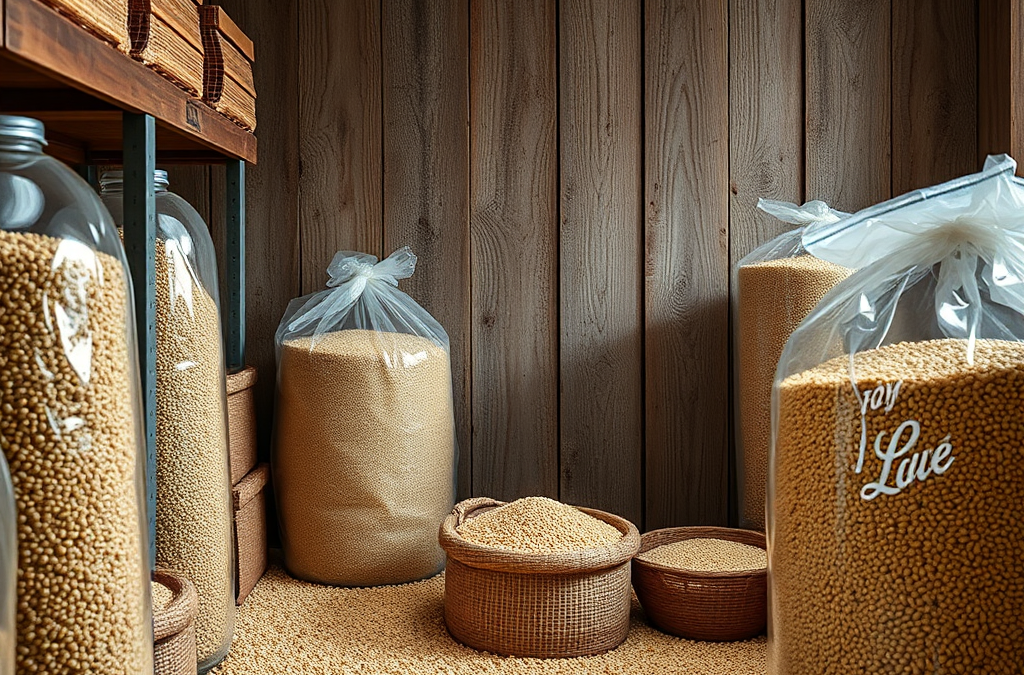
To avoid common grain storage pitfalls, prioritize proper ventilation, moisture control, and regular inspections. Ensure that storage areas are thoroughly cleaned before adding new grain to eliminate pests and mold spores. Additionally, avoid overfilling storage containers, which can hinder airflow and create uneven conditions. Maintaining relative humidity below 14% is essential to prevent spoilage and mold growth. By implementing these strategies, you can significantly enhance the longevity and quality of your stored grains.
Understanding Grain Storage Conditions
Grain storage conditions play a critical role in maintaining the quality and safety of stored grains. Key factors include temperature, humidity, and ventilation. Proper temperature control is essential, as high temperatures can accelerate spoilage and promote pest activity. Ideally, grains should be stored in a cool, dry place to minimize these risks.
Humidity is another crucial factor. Excess moisture can lead to mold growth, spoilage, and attract pests. It is advisable to keep the relative humidity below 14% for most grains. Ventilation is equally important; it helps to regulate temperature and humidity levels, thus preventing the buildup of moisture.
For example, using aeration systems can help maintain optimal storage conditions. A common mistake is to overlook the importance of monitoring these conditions regularly. Without proper checks, minor issues can escalate into significant problems, leading to grain loss.
Common Mistakes in Grain Storage
Several common mistakes can jeopardize the integrity of stored grains. One frequent error is neglecting to clean storage areas before filling them with new grain. Residual debris from previous batches can harbor pests and mold spores, which can contaminate new stocks.
Another mistake is overfilling storage containers. This can restrict airflow, leading to uneven temperature and humidity distribution. It’s crucial to leave adequate space for air circulation to prevent spoilage. Additionally, failing to seal storage containers properly can expose grains to pests and moisture.
Implementing a regular cleaning and inspection schedule can mitigate these risks. For instance, before storing new grains, clean the storage area and check for any signs of pests or moisture accumulation. These proactive steps can save significant losses in the long run.
Proper Monitoring Techniques
Monitoring the storage conditions of grains is vital for preventing spoilage. Utilize tools such as hygrometers to measure humidity levels and thermometers to track temperature. Regular checks should be conducted to ensure that conditions remain within the optimal range.
In addition to equipment, visual inspections are essential. Look for signs of moisture buildup, insect activity, or mold growth. Early detection of these issues can significantly reduce the risk of widespread spoilage.
Implementing a monitoring log can help track changes over time, allowing for timely interventions. For example, if humidity levels rise unexpectedly, immediate action can be taken to address ventilation or dehumidification. This proactive approach is crucial for preserving grain quality.
Pest Control Strategies
Pest infestations can wreak havoc on stored grains, leading to significant losses. Effective pest control starts with understanding the types of pests that commonly target grains, such as weevils and moths. Regularly inspect storage areas for signs of infestation, including droppings or damaged grains.
Preventive measures include sealing storage containers tightly and maintaining cleanliness in storage areas. Using traps can also help monitor pest activity. For instance, pheromone traps can attract and capture specific pests, providing insight into potential infestations.
Get Whole Wheat Flour, Grains and Milling Supplies – CLICK HERE

If an infestation is detected, immediate action is necessary. Depending on the severity, this may involve removing affected grains and treating the storage area with appropriate pest control methods. Regular inspections and preventive measures can significantly reduce the risk of pest-related losses.
Frequently Asked Questions
What is the ideal humidity level for grain storage?
The ideal humidity level for most grains is below 14% to prevent spoilage and mold growth.
How often should I inspect stored grains?
Stored grains should be inspected at least monthly to check for signs of spoilage, pests, or moisture buildup.
What are the signs of pest infestation in stored grains?
Signs of pest infestation include visible damage to grains, droppings, webbing, and the presence of live or dead insects.
Can I store different types of grains together?
It's generally not recommended to store different types of grains together, as they may have varying moisture and pest requirements.
What is the best way to clean grain storage areas?
Clean grain storage areas by removing all debris, vacuuming, and sanitizing surfaces to eliminate potential pest habitats.
Conclusion
Maintaining quality in grain storage is essential for preventing spoilage and ensuring safety. By understanding the proper storage conditions, avoiding common mistakes, implementing regular monitoring, and employing effective pest control strategies, you can significantly enhance the longevity of your grains. Prioritize these practices to safeguard your stored grains and minimize potential losses.
Get Whole Wheat Flour, Grains and Milling Supplies – CLICK HERE
Auto Amazon Links: No products found.
Further Reading
Authoritative Sources
- Safe Grain Storage: Key Factors to Maximize Preservation
siloscordoba.comDiscover the key factors for safely storing grain in silos and maximizing its preservation. Control temperature, humidity, and aeration to ...
- Equipment, Bin Maintenance Important Steps Toward ...
cropwatch.unl.eduProducers should thoroughly clean their equipment and make adjustments to minimize grain damage "Over time even a small amount of insect eggs or mold spores. ...
- Grain storage and protection
millermagazine.comIt is essential to monitor the grain during storage to take appropriate measures to protect the grain in the event of changes in storage ...
- A Few Considerations for Fall and Winter Grain Storage
extension.sdstate.eduBins should be built on a moisture-proof base. · Confirm that bin facilities are weather-tight and rodent-proof. · Screen ventilation openings to ...