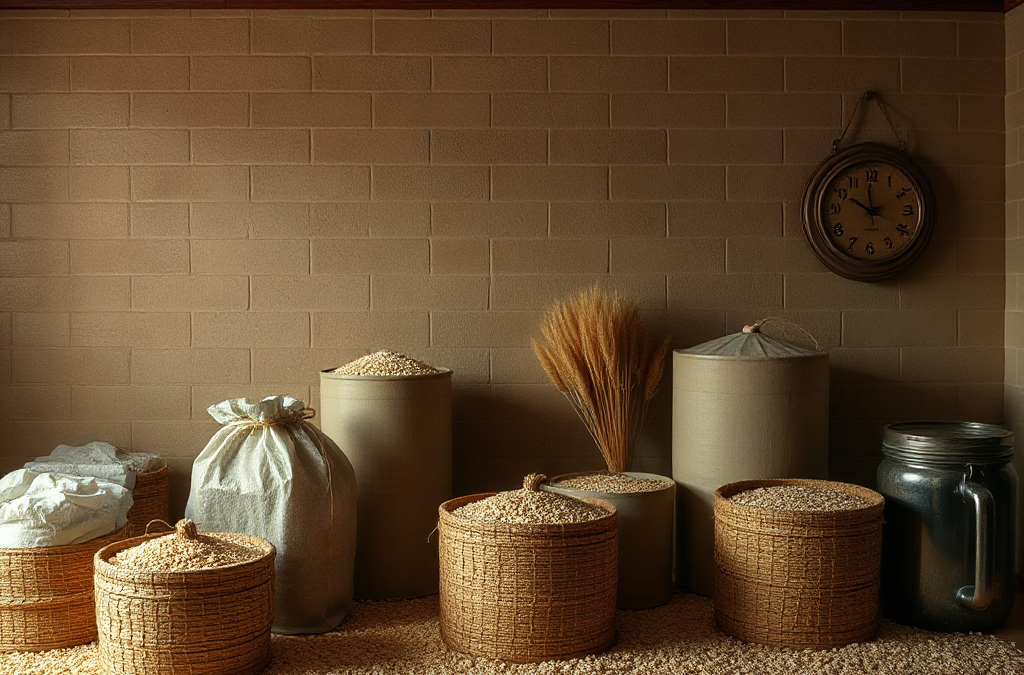
To create a grain storage maintenance schedule, begin by establishing a routine that includes regular inspections, cleaning, and environmental monitoring. Schedule weekly checks for moisture levels and pest activity, while monthly tasks should focus on cleaning storage areas and equipment. Document all activities to track progress and identify patterns, ensuring that you maintain optimal conditions for your grains. This proactive approach not only preserves grain quality but also minimizes spoilage and enhances storage efficiency, ultimately protecting your investment.
Understanding Grain Storage Requirements
Grain storage is critical for preserving quality and preventing spoilage. Understanding the specific requirements for the type of grain you are storing is essential. Factors such as moisture content, temperature, and airflow significantly influence the storage conditions. For instance, grains like wheat and corn have optimal moisture levels that must be maintained to prevent mold growth and insect infestations. Knowing these requirements helps you tailor your maintenance schedule effectively.
Another important aspect is recognizing the signs of spoilage or pest infestation, which can include unusual odors, discoloration, or the presence of insects. By being attentive to these indicators, you can take timely action to mitigate potential losses.
Developing a Maintenance Schedule
Creating a maintenance schedule begins with establishing a timeline for inspections and tasks. A common approach is to set up weekly, monthly, and seasonal checklists. Weekly tasks may include checking moisture levels and inspecting for pests, while monthly tasks could involve cleaning storage bins and equipment.
To develop an effective schedule, consider the following steps:
- Identify key tasks: List all maintenance activities necessary for your specific grain types.
- Set frequencies: Determine how often each task should be performed based on grain requirements and storage conditions.
- Assign responsibilities: If multiple people are involved in grain storage, assign tasks to ensure accountability.
- Document everything: Keep a log of inspections and maintenance activities to track progress and identify patterns over time.
Key Maintenance Tasks
Key maintenance tasks include regular inspections, cleaning, and monitoring of storage conditions. Inspections should focus on checking for moisture levels, which can be done using a moisture meter. Ideally, grains should be stored at moisture levels between 12-14% for optimal preservation.
Cleaning storage areas is equally important. Dust, debris, and leftover grains can attract pests and promote mold growth. Ensure that bins and surrounding areas are cleaned thoroughly at least once a month. This includes removing any spillage and sanitizing surfaces to prevent contamination.
Additionally, consider implementing pest control measures as part of your maintenance routine. This could involve traps, baits, or natural deterrents, depending on the severity of infestations observed during inspections.
Monitoring and Adjusting Conditions
Monitoring environmental conditions is crucial for maintaining grain quality. This includes keeping track of temperature and humidity levels within storage facilities. Using hygrometers and thermometers can help you gather accurate data and make necessary adjustments.
If moisture levels are consistently high, consider using dehumidifiers or improving ventilation. Conversely, if temperatures are too low, it may be necessary to insulate storage areas or utilize heating solutions to maintain optimal conditions.
Regularly reviewing your maintenance schedule and making adjustments based on observed conditions will ensure that your grains remain in excellent condition. Keeping detailed records will help you identify trends or recurring issues that need to be addressed.
Get Whole Wheat Flour, Grains and Milling Supplies – CLICK HERE

Frequently Asked Questions
What is the ideal moisture level for stored grains?
The ideal moisture level for most stored grains is between 12-14%. Maintaining this level helps prevent spoilage and pest infestations.
How often should I inspect my grain storage?
It is recommended to inspect grain storage weekly for moisture levels and pests, with more thorough cleaning and maintenance monthly.
What are common signs of grain spoilage?
Common signs of spoilage include unusual odors, discoloration, and the presence of insects or mold.
How can I prevent pest infestations in grain storage?
Prevent pest infestations by regularly cleaning storage areas, using traps, and monitoring for signs of pests during inspections.
What should I do if I find mold in my grain storage?
If mold is found, remove affected grains immediately, clean the storage area thoroughly, and assess moisture levels to prevent recurrence.
Conclusion
Creating a grain storage maintenance schedule is essential for preserving the quality of stored grains. By understanding the specific requirements for different grains, developing a systematic maintenance schedule, and regularly monitoring storage conditions, you can significantly reduce spoilage risks. Prioritize inspections, cleaning, and pest control to maintain optimal storage environments. Take immediate action upon noticing any signs of spoilage or pest activity, and adjust your maintenance schedule as needed to ensure the longevity and quality of your grains.
Get Whole Wheat Flour, Grains and Milling Supplies – CLICK HERE
Auto Amazon Links: No products found.