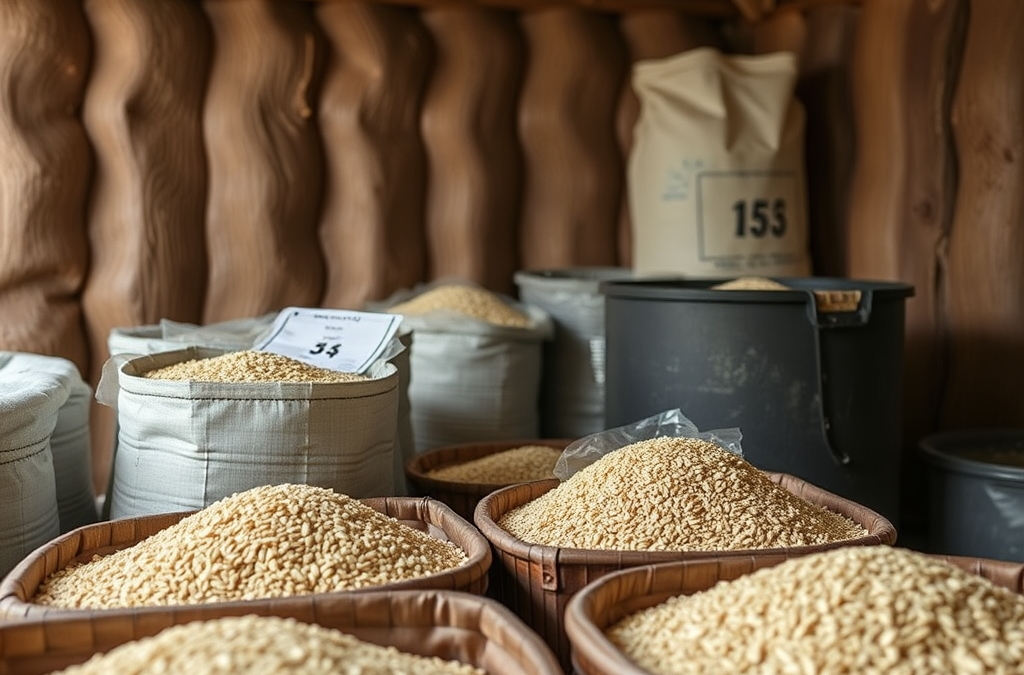
To manage grain storage during natural disasters, prioritize structural integrity and moisture control. Reinforce storage facilities to withstand severe weather and use airtight containers to prevent water ingress and pest infestations. Regular inspections are essential to identify vulnerabilities and ensure that sealing techniques are effective. Additionally, consider elevating storage units above flood levels and strategically locating them away from high-risk areas.
Understanding the Risks of Natural Disasters on Grain Storage
Natural disasters such as floods, hurricanes, and severe storms pose significant risks to grain storage facilities. These events can lead to physical damage, contamination, and spoilage, threatening the quality and quantity of stored grains. Understanding these risks is crucial for effective management strategies. Flooding, for instance, can introduce moisture, which promotes mold growth and pest infestations, while high winds can damage storage structures, leading to exposure and loss.
Additionally, natural disasters can disrupt supply chains, making it challenging to transport grains to market or obtain necessary supplies for storage maintenance. It’s essential to assess the specific vulnerabilities of your grain storage setup, considering geographic location and historical weather patterns to develop a proactive management plan.
Key Strategies for Effective Grain Storage Management
Implementing robust strategies for grain storage management during natural disasters involves several critical steps. First, ensure that storage facilities are structurally sound and equipped to withstand extreme weather conditions. Reinforcing walls, securing roofs, and using flood-resistant materials can significantly reduce damage risk.
Second, utilize proper sealing techniques to protect against moisture and pests. Airtight containers or well-sealed silos can prevent water ingress and contamination from insects or rodents. Additionally, consider the strategic placement of storage facilities away from flood-prone areas and ensure they are elevated to minimize risks during heavy rainfall.
Lastly, develop an emergency response plan that includes evacuation procedures for grain, emergency contacts, and a checklist of critical actions to take immediately following a disaster. This preparedness will enable quick responses to protect stored grains effectively.
Implementing Climate Control Measures
Temperature and humidity control are vital for maintaining grain quality during natural disasters. High humidity levels can lead to mold growth and spoilage, while extreme temperatures can affect the integrity of stored grains. To manage these factors, consider installing climate control systems such as dehumidifiers and temperature monitoring devices.
Regularly monitor the internal environment of storage facilities using hygrometers and thermometers. Aim to maintain relative humidity levels below 14% and temperatures between 50°F and 70°F, depending on the type of grain. These conditions help preserve grain quality and reduce the likelihood of pest infestations.
Additionally, during anticipated natural disasters, consider temporary measures such as relocating grains to more secure facilities or utilizing mobile storage units that can be quickly moved to safer locations. This flexibility can help mitigate risks associated with sudden weather changes.
Regular Maintenance and Inspection Practices
Regular maintenance and inspections are crucial for sustaining effective grain storage management. Establish a routine schedule for checking storage facilities, focusing on identifying potential issues such as leaks, structural weaknesses, or signs of pest activity. Early detection allows for prompt repairs and adjustments, minimizing the risk of damage during disasters.
During inspections, pay close attention to seals, ventilation systems, and the overall cleanliness of the storage area. Ensure that ventilation is adequate to prevent moisture buildup, which can compromise grain integrity. It’s also beneficial to keep storage areas organized, allowing for easy access and swift evacuation if necessary.
Get Whole Wheat Flour, Grains and Milling Supplies – CLICK HERE

Moreover, document all maintenance activities and findings in a log to track the condition of storage facilities over time. This practice not only helps identify recurring issues but also provides a clear history that can inform future decisions regarding upgrades or changes to storage practices.
Frequently Asked Questions
What are the primary natural disasters that affect grain storage?
Floods, hurricanes, droughts, and severe storms are the primary natural disasters that can severely impact grain storage facilities.
How can I protect my grain storage from flood damage?
To protect against flood damage, elevate storage facilities, use flood-resistant materials, and ensure proper sealing to prevent water ingress.
What role does humidity control play in grain storage?
Humidity control is essential to prevent mold growth and spoilage, with optimal levels maintained below 14% to ensure grain quality.
How often should grain storage facilities be inspected?
Grain storage facilities should be inspected regularly, ideally every few months, to identify and address potential issues before they escalate.
What should I include in an emergency response plan for grain storage?
An emergency response plan should include evacuation procedures, emergency contacts, and a checklist of actions to take immediately after a disaster.
Further Reading
Authoritative Sources
- Grain storage practices-duration of storage, method ...
researchgate.netPostharvest strategies such as proper drying, sorting, and the implementation of food safety management systems like Hazard Analysis and Critical Control Point ...
- 5 Best Practices That Significantly Improve Storage ...
adamsgrainbins.comSet up a ventilation system that will quickly and evenly distribute the moisture among the stored grain to prevent pockets of moist grain where ...
- 6 Best Practices for Grain and Seed Storage in Agricultural ...
goodmenproject.comThe storage area should be closed enough to prevent any pests from getting in. Also, if you witness any pests, quickly act to avoid any further ...
- Ask the Doctor: Scientific Insights on Protecting Grain ...
aggrowth.comClean and disinfect your storage bin(s) Have a conditioning plan. Test/check your fan operation. A monitoring system can notify the farmer if the stored grain ...