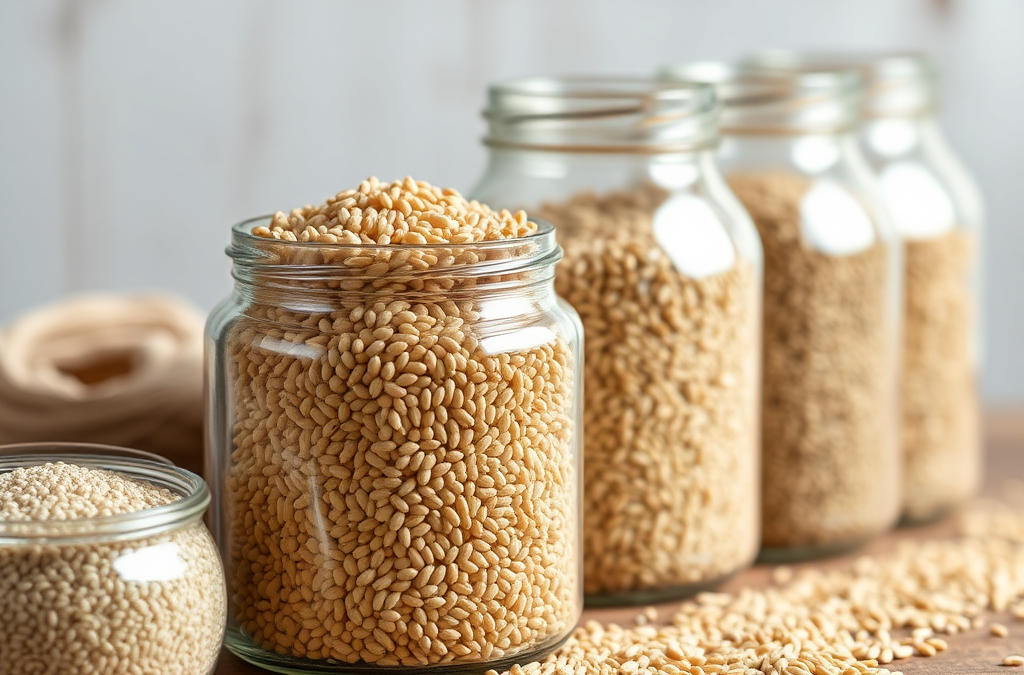
To store grains for different uses, choose airtight containers, control moisture levels, and keep them in a cool, dark place. Use glass or plastic containers with oxygen absorbers for long-term storage, while vacuum sealing is ideal for short-term use. Regularly check for pests and moisture to ensure quality. This multi-faceted approach maximizes the shelf life and usability of your grains.
Understanding Grain Types and Their Storage Needs
Different grains have unique characteristics that influence how they should be stored. For instance, whole grains like brown rice and quinoa contain more oils than refined grains such as white rice. These oils can go rancid if not stored properly, so understanding the grain type is crucial for effective storage. Whole grains generally require cooler temperatures and lower humidity levels to maintain freshness.
Additionally, grains like wheat and barley have different moisture content, which affects their shelf life. For example, wheat can be stored for several years if kept dry and cool, while barley has a shorter shelf life. Knowing the specific needs of each grain can guide you in selecting the right storage method.
Best Practices for Long-Term Grain Storage
For long-term storage, it is essential to use airtight containers. Glass jars, food-grade plastic buckets, and vacuum-sealed bags are excellent choices. These containers protect grains from moisture, pests, and air, which can degrade quality over time. When sealing your grains, consider adding oxygen absorbers to further extend their shelf life by reducing oxygen levels that can lead to spoilage.
Temperature is another critical factor. Ideally, grains should be stored in a cool environment, ideally between 50°F and 70°F (10°C to 21°C). Higher temperatures can speed up the deterioration process. A basement or a cool pantry can be suitable locations. Regularly checking stored grains for signs of moisture or pest activity is also important; if you find any issues, take immediate action to prevent further damage.
Short-Term Storage Solutions for Everyday Use
For short-term storage, the focus shifts to accessibility and convenience. Using smaller containers that can be easily accessed in your kitchen is advisable. Clear jars or canisters allow you to see the contents at a glance, making it easier to keep track of your supplies. You can also choose to keep grains in their original packaging, provided it is resealable and kept in a cool, dry place.
When storing grains for everyday cooking, consider portioning them into the amounts you typically use. This not only saves space but also makes it easier to grab what you need without rummaging through larger containers. Additionally, labeling containers with the date of storage and type of grain can help you keep track of freshness and ensure you use older grains first.
Common Mistakes in Grain Storage
One common mistake in grain storage is neglecting to consider moisture levels. Grains stored in humid environments are more susceptible to mold and spoilage. Always ensure that grains are completely dry before storing them, and consider using a moisture meter to check levels if you’re uncertain.
Another pitfall is not using proper containers. Many people mistakenly store grains in paper or cardboard packaging, which can allow moisture and pests to enter. Always opt for airtight containers to protect your grains effectively. Lastly, failing to regularly check stored grains for signs of spoilage can lead to significant waste; make it a habit to inspect your supplies periodically.
Get Whole Wheat Flour, Grains and Milling Supplies – CLICK HERE

Frequently Asked Questions
What is the best way to store grains long-term?
The best way to store grains long-term is to use airtight containers, keep them in a cool and dry place, and add oxygen absorbers to prevent spoilage.
How can I tell if my stored grains are still good?
Check for any off odors, discoloration, or signs of pests. If grains have a rancid smell or are clumping together, they may no longer be safe to consume.
Can I freeze grains for storage?
Yes, freezing grains can extend their shelf life. Make sure to use airtight packaging to prevent moisture from getting in.
What types of containers are best for grain storage?
Best containers for grain storage include glass jars, food-grade plastic buckets, and vacuum-sealed bags that are airtight and moisture-proof.
How long can I store grains?
Depending on the type, grains can be stored for several months to years. Whole grains typically last 3-6 months, while properly stored white rice can last up to 30 years.
Conclusion
Storing grains effectively is essential for maximizing their shelf life and usability. By understanding the specific needs of different grains, utilizing the right storage methods, and avoiding common mistakes, you can ensure that your grains remain fresh and ready for use whenever needed. Start implementing these practices today to make the most of your grain storage and enjoy the benefits of well-preserved grains in your meals.
Get Whole Wheat Flour, Grains and Milling Supplies – CLICK HERE
Auto Amazon Links: No products found.