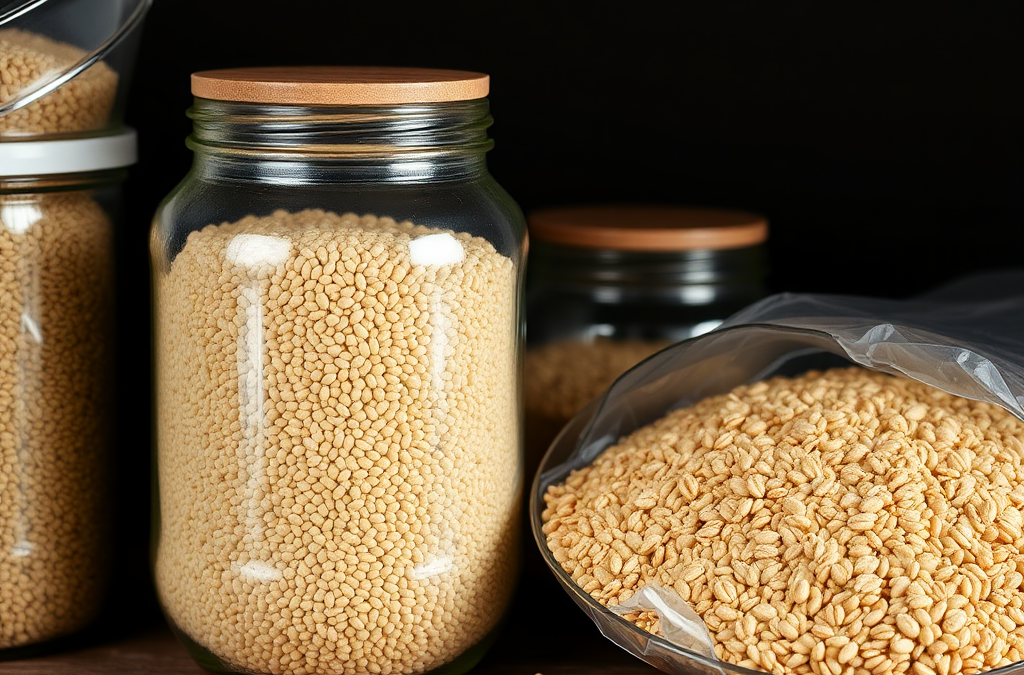
To store grains for optimal nutrient retention, keep them in a cool, dry place with controlled humidity, using airtight containers to prevent exposure to air and pests. This method helps preserve essential nutrients like vitamins and minerals, while also preventing spoilage from mold or insects. Regularly checking the grains for signs of moisture or pests is crucial to maintaining their quality over time.
Understanding Grain Storage Conditions
Grains require specific storage conditions to retain their nutritional value. The ideal environment for grain storage is cool, dry, and dark. High temperatures can lead to accelerated degradation of vitamins and minerals, while humidity can promote mold growth and pest infestations. For instance, storing grains at temperatures below 70°F (21°C) and relative humidity below 60% can significantly enhance their shelf life and nutrient retention.
It’s essential to monitor the storage conditions regularly, as fluctuations can occur based on seasonal changes or the location of the storage facility. Using a hygrometer can help keep track of humidity levels, ensuring they remain within the optimal range. Additionally, avoiding direct sunlight is crucial, as UV rays can degrade certain nutrients in grains.
Choosing the Right Containers
The type of container used for grain storage plays a vital role in preserving nutrients. Airtight containers are recommended, as they prevent air exchange, which can lead to oxidation and loss of quality. Glass, food-grade plastic, or metal containers with tight-fitting lids are excellent options. Avoid using containers that previously held chemicals or non-food items, as residues can contaminate the grains.
For bulk storage, consider using food-grade buckets with gamma lids, which provide a secure seal against moisture and pests. When filling containers, ensure they are not packed too tightly, as this can restrict airflow and create pockets of moisture. Labeling containers with the type of grain and the date of storage helps keep track of freshness and rotation.
Common Mistakes in Grain Storage
Many people make critical errors when storing grains that can compromise their nutritional quality. One common mistake is storing grains without proper cleaning. Grains should be thoroughly cleaned to remove any debris or damaged kernels before storage, as these can harbor pests or mold.
Another frequent issue is neglecting to check for pests. Regular inspections of stored grains are necessary to catch any infestations early. Signs of pests include webbing, holes in packaging, or the presence of insect droppings. Taking immediate action, such as freezing the grains for a few days to kill any larvae or eggs, can help save the batch.
Long-Term Storage Strategies
For those looking to store grains long-term, additional strategies can be employed to maximize nutrient retention. Vacuum sealing grains removes air from the packaging, significantly reducing the risk of oxidation and spoilage. This method is particularly effective for grains like wheat, rice, and oats.
Freezing grains can also be beneficial, especially for those that are prone to pests. Freezing not only kills any potential pests but can also extend shelf life by slowing down the degradation of nutrients. However, ensure that grains are thoroughly dried before freezing to prevent ice crystals from forming, which can lead to texture changes upon thawing.
Frequently Asked Questions
What is the best temperature for storing grains?
The best temperature for storing grains is below 70°F (21°C) to prevent nutrient degradation.
How long can grains be stored?
Grains can typically be stored for 6 months to several years, depending on the type and storage conditions.
Should I wash grains before storing them?
Yes, washing grains helps remove debris and contaminants, ensuring they stay fresh during storage.
Can I store grains in plastic bags?
Plastic bags are not ideal for long-term storage; airtight containers are recommended to prevent spoilage.
What pests should I watch for in stored grains?
Common pests include weevils, moths, and beetles, which can compromise grain quality if not managed.
Conclusion
To effectively store grains for optimal nutrient retention, maintain a cool, dry environment, use airtight containers, and regularly check for pests. Implementing these practices not only enhances the longevity of your grains but also preserves their nutritional value. Prioritize monitoring storage conditions and addressing any issues promptly to ensure your grains remain a healthy food source.
Get Whole Wheat Flour, Grains and Milling Supplies – CLICK HERE

Auto Amazon Links: No products found.