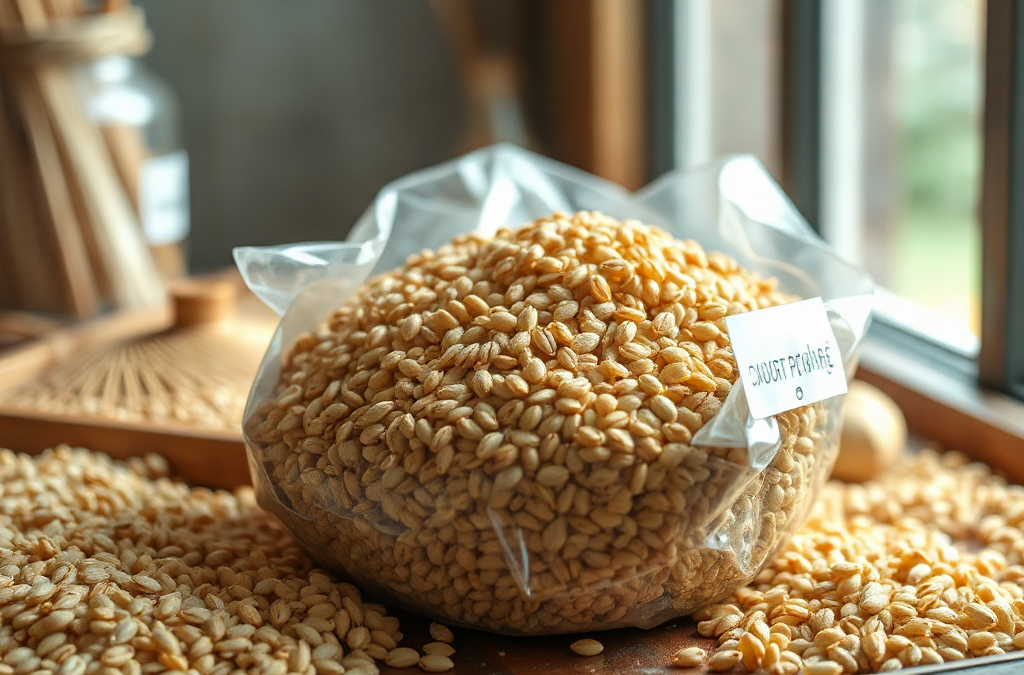
To store grains in a humid climate effectively, prioritize using airtight containers that prevent moisture ingress and promote airflow. Incorporate moisture absorbers like silica gel or activated charcoal to further reduce humidity levels within the storage environment. Regularly inspect your grains for signs of mold or pest activity, as these can compromise quality and safety. Additionally, elevate storage containers off the ground to minimize moisture absorption from the soil. By implementing these strategies, you can significantly extend the shelf life and maintain the quality of your stored grains.
Understanding Humidity’s Impact on Grain Storage
Humidity significantly affects grain storage, as high moisture levels can lead to spoilage and pest infestations. Grains are hygroscopic, meaning they absorb moisture from the air, which can result in mold growth and reduced nutritional quality. Understanding the specific humidity levels in your area is crucial for determining appropriate storage conditions and methods.
In humid climates, the relative humidity often exceeds 60%, which is a critical threshold for grain storage. At this level, the risk of spoilage increases, and grains can become a breeding ground for pests such as weevils and rodents. Therefore, it’s essential to implement strategies that mitigate these risks.
For instance, choosing a storage location that is cool and well-ventilated can help in maintaining lower humidity levels. Avoid storing grains directly on the ground, as moisture from the soil can seep into the grain. Instead, use pallets or shelves to enhance airflow around the stored grains.
Choosing the Right Storage Containers
Using appropriate containers for grain storage is vital in humid conditions. Airtight containers are highly recommended as they prevent moisture from entering and help maintain the grain’s quality. Options include food-grade plastic bins, glass jars, and metal containers with tight-sealing lids.
When selecting containers, consider their size and material. Plastic containers are lightweight and resistant to rust, while glass jars provide visibility and are easy to clean. Metal containers may be more durable but can be prone to rust if not properly coated or maintained. Ensure that whatever container you choose is free from previous contaminants and odors that could affect the grains.
Additionally, labeling containers with the type of grain and the date of storage can help in tracking inventory and ensuring that older grains are used first, minimizing waste.
Utilizing Moisture Absorbers Effectively
Incorporating moisture absorbers into your grain storage strategy can significantly enhance the longevity of grains in a humid environment. Silica gel packets, for instance, are excellent for absorbing excess moisture and can be easily placed inside storage containers. These packets should be replaced regularly to ensure they remain effective.
Another option is using food-safe diatomaceous earth, which can act as both a moisture absorber and a pest deterrent. Sprinkle a thin layer over the top of the grains before sealing the container to help control humidity and ward off insects.
When using moisture absorbers, it’s crucial to monitor their effectiveness. If you notice signs of moisture, such as condensation inside the container, it may be time to replace or add more absorbers to maintain optimal conditions.
Regular Maintenance and Monitoring
Maintaining grains in a humid climate requires consistent monitoring of both humidity levels and the condition of the grains. Regularly inspect your stored grains for any signs of spoilage, such as discoloration, off-odors, or mold growth. Implementing a rotation system—using the oldest grains first—can help prevent waste and ensure freshness.
Get Whole Wheat Flour, Grains and Milling Supplies – CLICK HERE

Humidity can be assessed using hygrometers, which can be placed inside storage areas to provide real-time readings. Ideally, aim for a relative humidity level below 60% for optimal grain storage. If humidity levels are too high, consider using dehumidifiers or air conditioning in the storage area to maintain a stable environment.
Additionally, keep an eye out for pests. Regularly check for signs of infestation, such as tiny holes in packaging or the presence of insects. If pests are detected, take immediate action to remove them and consider preventive measures, such as sealing any cracks or openings in storage areas.
Frequently Asked Questions
What are the best containers for storing grains in humid climates?
Airtight containers made of food-grade plastic, glass, or metal are ideal for preventing moisture entry and maintaining grain quality.
How can I tell if my grains are spoiled?
Signs of spoilage include discoloration, off-odors, and mold growth. Regular inspections are essential for early detection.
What humidity level is ideal for grain storage?
Ideally, the relative humidity should be below 60% to prevent spoilage and pest infestations.
How often should I check my grain storage?
Regular checks at least once a month are recommended to monitor humidity levels and inspect for signs of pests or spoilage.
Can I use moisture absorbers in my grain storage?
Yes, moisture absorbers like silica gel or diatomaceous earth can help maintain low humidity levels and prevent spoilage.
Conclusion
Storing grains in a humid climate requires careful consideration and proactive measures to ensure their longevity and quality. By using airtight containers, incorporating moisture absorbers, and regularly monitoring both humidity levels and grain condition, you can effectively minimize spoilage risks. Maintaining a consistent storage environment not only protects your grains but also supports their nutritional value, making it essential to prioritize these strategies for successful grain storage.
Get Whole Wheat Flour, Grains and Milling Supplies – CLICK HERE
Auto Amazon Links: No products found.