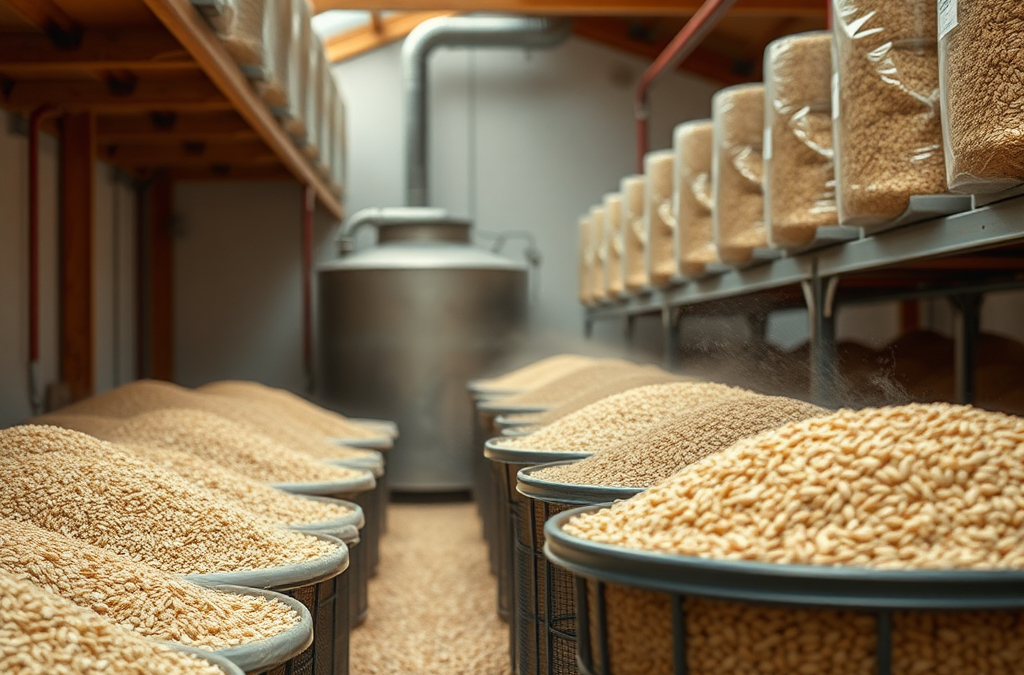
Humidity significantly affects the longevity of grain storage, as high moisture levels can lead to spoilage and mold growth. To preserve grain quality, it is essential to maintain relative humidity between 12-14%. This range minimizes the risk of mold and insect infestations while ensuring grains retain their nutritional value. Regular monitoring of moisture content and implementing effective ventilation systems can help achieve these optimal conditions. Additionally, understanding the specific humidity needs of different grains, such as corn and wheat, allows for tailored storage solutions that enhance longevity and quality.
Understanding Humidity and Its Effects on Grains
Humidity plays a critical role in grain storage longevity. High humidity levels can lead to the development of mold and fungi, which not only spoil the grain but can also produce mycotoxins harmful to health. Conversely, low humidity can cause grains to dry out and lose nutritional value. Understanding the balance of moisture is essential for effective grain storage.
Grains naturally contain moisture, and the surrounding environment’s humidity levels can drastically influence how long they remain viable. For instance, grains stored in humid conditions may absorb excess moisture, leading to spoilage. On the other hand, excessively dry conditions can result in a loss of quality and nutritional content. Therefore, monitoring and managing humidity is crucial for maintaining grain quality.
Optimal Humidity Levels for Grain Storage
Maintaining optimal humidity levels is vital for ensuring the longevity of stored grains. Generally, a relative humidity of 12-14% is considered ideal for most grains. At this level, the risk of mold growth, insect infestation, and nutrient loss is minimized.
Different types of grains may have varying humidity requirements. For instance, corn can tolerate slightly higher humidity levels than wheat. Thus, it’s essential to adjust storage conditions based on the specific grain being stored. Regularly checking moisture content and adjusting ventilation can help achieve and maintain these optimal conditions.
Common Humidity-Related Issues in Grain Storage
Several issues can arise from improper humidity management in grain storage. One significant problem is the growth of mold and fungi, which can compromise grain quality and safety. Mold not only affects the grain’s edibility but can also produce mycotoxins, which are hazardous to human and animal health.
Another common issue is insect infestation, which can occur when humidity levels are too high. Insects thrive in moist environments, leading to potential damage and loss of stored grains. Additionally, excessive humidity can cause clumping and caking, making it difficult to handle and distribute grains effectively.
Recognizing these potential issues is the first step in preventing them. Regular monitoring and implementing proactive measures can significantly reduce the likelihood of these problems.
Best Practices for Managing Humidity
To effectively manage humidity in grain storage, several best practices should be followed. First, investing in moisture control systems, such as dehumidifiers or ventilators, can help regulate humidity levels. These systems can be particularly beneficial in regions with high humidity.
Regularly inspecting stored grains for signs of moisture accumulation, mold, or insect activity is also crucial. Implementing a rotation system for stored grains can ensure that older stocks are used first, reducing the risk of spoilage. Additionally, using moisture-absorbing materials, such as silica gel or specific grain storage bags designed to control humidity, can further enhance preservation efforts.
In closing, educating staff on the importance of humidity management and the specific needs of different grains can foster a culture of proactive preservation within storage facilities.
Get Whole Wheat Flour, Grains and Milling Supplies – CLICK HERE

Frequently Asked Questions
What humidity level is ideal for grain storage?
An ideal humidity level for grain storage is between 12-14%, which helps prevent spoilage and maintain quality.
How does high humidity affect stored grains?
High humidity can lead to mold growth, spoilage, and insect infestations, significantly reducing grain quality and safety.
What are signs of moisture problems in stored grains?
Signs of moisture problems include mold growth, clumping, unusual odors, and visible insect activity.
How can I reduce humidity in grain storage?
Using dehumidifiers, improving ventilation, and regularly monitoring moisture levels can help reduce humidity in grain storage.
Why is moisture management important for grain storage?
Moisture management is crucial for preventing spoilage, maintaining nutritional quality, and ensuring the safety of stored grains.
Conclusion
Effective humidity management is essential for preserving grain quality and longevity. By maintaining optimal humidity levels, regularly inspecting stored grains, and implementing best practices for moisture control, storage facilities can significantly reduce spoilage risks and ensure the grains remain safe for consumption. Prioritizing these measures will lead to better grain preservation and overall efficiency in storage operations.
Get Whole Wheat Flour, Grains and Milling Supplies – CLICK HERE
Auto Amazon Links: No products found.