 Right now, many people are busy with preparedness. They are storing supplies like: whole wheat and grains, water, medical supplies, toiletries, etc., in case of an emergency or disruption of the supply chain.
We want to make a recommendation of an important preparedness item that many people may not consider – Flax Seed Oil. Let’s look at some facts about this important seed so you can decide for yourself:
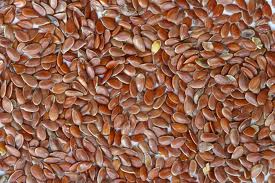
Flax seed oil is pressed from flax seeds. Whether they are pressed into oil, ground or whole, these seeds are an excellent source of minerals, fiber, vitamins, protein and fat. They have a hard outer shell that is shiny and smooth, and are a tiny bit larger than sesame seeds. Depending on the variety, the color of flax seeds range from reddish brown to a deep amber. These organic seeds have been touted as a wonder supplement and are used in the prevention and treatment of many serious illnesses, including diabetes, cancer, heart disease and arthritis.
An important question to ask is how much flax seed should you take? It depends on what benefits you are looking for. If you are using it for bowel regularity, then around one tablespoon of whole or ground flaxseed can be taken once or twice a day, with a full glass of water. If you are using it for the prevention of other health conditions like heart disease, cancer and inflammation, two tablespoons once or twice a day is the typical dose.
Though flaxseed oil is not suitable for cooking, as heating breaks down it healing properties, it can be used in salads. Some doctors recommend taking one tablespoon of flaxseed oil a day as a supplement. It can be used in salads, on vegetables or by simply taking a tablespoon of the oil. Flax oil helps you get a good supply of essential fatty acids.
Flax seed oil contains essential omega-3 fatty acids, which are a powerful antioxidant. They have been shown to lower the risk of death from coronary artery disease, fight cancer, counteract inflammation from lupus and gout and help regulate glucose levels in diabetics. Flax seeds are a great alternative to fish oil, which contains the omega-3’s but, can also leave a fishy aftertaste.
What is it that these organic seeds contain that makes them so effective? The answer is alpha lipoic acid, or ALA, which is an antioxidant that occurs naturally inside every cell of the human body and is found in green vegetables, organ meats, rice bran, brewer’s yeast and of course, flaxseed oil.
It may sound crazy, but many scientists, nutritionists and researchers believe flax seed oil is the next best thing to a multi-vitamin. The natural properties in flax seeds benefit almost every system of the body. From the immune system to the cardiovascular system to the nervous system and the joints of the body, these tiny organic seeds pack a giant health punch.
Popular Questions
Why is flax seed oil an important preparedness item?
Flax seed oil is a nutritious preparedness item because it supplies plant-based omega-3 fatty acid in a concentrated form. Its mild, nutty flavor can add variety to simple meals such as grains, beans, vegetables, and emergency breads. Use it as a finishing oil rather than a high-heat cooking oil to preserve its quality.
How should you store flax seed oil for preparedness?
Store flax seed oil in a tightly sealed, dark container in a cool, dark place. Once opened, refrigeration is recommended because light, heat, and air can cause the oil to spoil quickly. Check the smell and taste before use, and discard it if it has a sharp, bitter, or paint-like odor.
How can you use nutritious flax seed oil in everyday preparedness meals?
Add a small amount of flax seed oil to cooked oatmeal, rice, beans, vegetables, or salad dressing after the food has cooled slightly. It can also enrich smoothies or be mixed with vinegar, herbs, and spices for a simple dressing. Avoid frying or prolonged heating, since flax seed oil is best used without high-heat cooking.
What should you consider before relying on flax seed oil as a preparedness food?
Flax seed oil adds calories and plant-based fat, but it does not provide the complete nutrition needed for long-term food storage. Pair it with shelf-stable staples such as grains, legumes, fruits, vegetables, and protein sources. Rotate bottles by their best-by dates and maintain a backup supply that matches your household's storage conditions and consumption rate.
Auto Amazon Links: No products found.