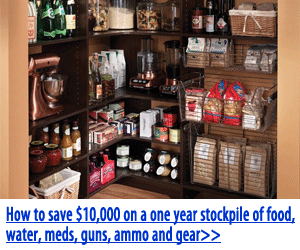
Organizing a food storage pantry is crucial for maintaining food quality and ensuring easy access to ingredients. The process begins with decluttering the space, removing expired items, and categorizing the remaining goods into groups such as grains, canned goods, snacks, and spices.
One common mistake when organizing a pantry is neglecting to consider the layout and accessibility of items. Prioritize frequently used ingredients by placing them at eye level, while less commonly used items can be stored on higher or lower shelves. Additionally, utilize clear containers for visibility and easy identification of contents. This method not only saves time but also helps maintain an organized system that can be easily adapted as your needs change.
Furthermore, regularly assess your pantry’s organization to ensure it meets your cooking habits and lifestyle. Seasonal changes, dietary shifts, or even changes in family size can affect how you use your pantry. Implementing a rotation system, where older items are used first, can also prevent waste and ensure that your food storage remains fresh and efficient.
Assessing Your Current Pantry Setup
Before diving into organization, it’s essential to assess your current pantry setup. Take stock of what you have, noting items that are frequently used versus those that are rarely touched. This assessment will guide you in determining what to keep, what to donate, and what to discard. Understanding the space you have available and how it is currently utilized will help you create a more functional layout.
Many people underestimate the importance of this step, often leading to a cluttered pantry filled with items they don’t use. By identifying and removing unnecessary items, you can free up space for essential goods. Additionally, consider the types of foods you typically store and how they can be grouped together to maximize efficiency.
When assessing your pantry, think about the flow of cooking in your home. Are the items you need most often easily accessible? If not, this might be a sign to rethink your layout. Prioritize accessibility to ensure that your pantry serves its purpose effectively.
Choosing the Right Storage Solutions
Once you have a clear understanding of your pantry’s current state, the next step is choosing the right storage solutions. This includes selecting containers that are not only functional but also fit your aesthetic preferences. Clear, stackable containers are ideal for maximizing space and visibility, allowing you to easily see what you have at a glance.
When selecting containers, consider factors such as size, material, and sealing capabilities. For example, airtight containers are essential for storing grains and dried goods to prevent spoilage. Additionally, labeling containers can enhance organization by allowing you to quickly identify contents without opening each one.
It’s also worth noting that using baskets, bins, or shelf risers can help categorize items and make the most of vertical space. Customizing your storage solutions based on the specific items you have will lead to better organization and efficiency in your pantry.
Implementing an Efficient Organization System
Implementing an organization system is where the real magic happens. Start by grouping similar items together—canned goods with canned goods, snacks with snacks, and so forth. This not only makes it easier to find what you need but also aids in keeping track of inventory.
Consider using a first-in, first-out (FIFO) method for perishables. Place newer items behind older ones to ensure that older products are used first, minimizing waste. Additionally, arranging items by usage frequency can save time during meal prep; keep everyday staples like oils and spices within easy reach.
Another effective strategy is to create zones within your pantry. For example, designate a baking zone for baking supplies, a snack zone for on-the-go items, and a cooking zone for frequently used ingredients. This zoned approach not only enhances organization but also makes it easier for everyone in the household to find and return items to their rightful place.
Get Whole Wheat Flour, Grains and Milling Supplies – CLICK HERE

Maintaining Your Organized Pantry
Maintenance is key to ensuring your pantry remains organized over time. Schedule regular check-ins, perhaps monthly or seasonally, to reassess the organization and remove expired items. During these check-ins, take note of any items that are running low and need restocking.
Another important aspect of maintenance is encouraging household members to return items to their designated spots after use. Establishing a routine can help reinforce this habit, making it easier to maintain the organization system you’ve put in place. Consider involving family members in the process, as this can promote accountability and teamwork.
Finally, be open to adapting your organization system as your needs evolve. Life changes, such as moving, dietary preferences, or family size, can impact how you use your pantry. Flexibility will ensure your storage solutions continue to meet your needs effectively.
Further Reading
Authoritative Sources
- Food Storage Guidelines
foodsafety.govThis resource provides essential guidelines for safe food storage, helping you avoid spoilage and waste
- Nutrition and Food Storage
eatright.orgA comprehensive guide to nutrition and food storage best practices
- Pantry Organization Tips
cookinglight.comProfessional tips on how to organize your pantry efficiently
Frequently Asked Questions
What is the best way to organize a small pantry?
Utilize vertical space with stackable containers and shelves. Group similar items together, and keep frequently used items at eye level.
How often should I clean and reorganize my pantry?
It’s recommended to clean and reorganize your pantry at least once every three months to ensure everything remains fresh and well-organized.
Can I use regular containers for food storage?
While regular containers can be used, it’s best to opt for airtight containers specifically designed for food storage to prevent spoilage and contamination.
What should I do with expired food in my pantry?
Expired food should be discarded immediately to prevent any health risks. Check regularly to avoid accumulation of expired items.
How can I make my pantry more accessible?
Label containers clearly, use bins for grouping similar items, and place frequently used items at the front or on lower shelves for easy access.
Conclusion
Organizing your food storage pantry is a vital step toward efficient meal preparation and reducing food waste. By assessing your current setup, choosing appropriate storage solutions, and implementing a systematic organization method, you can create a functional space that meets your needs. Regular maintenance and adaptability will ensure your pantry remains a valuable asset in your kitchen. Start today by decluttering and prioritizing accessibility to make your cooking experience more enjoyable and efficient.
Get Whole Wheat Flour, Grains and Milling Supplies – CLICK HERE
Related Content
Auto Amazon Links: No products found.