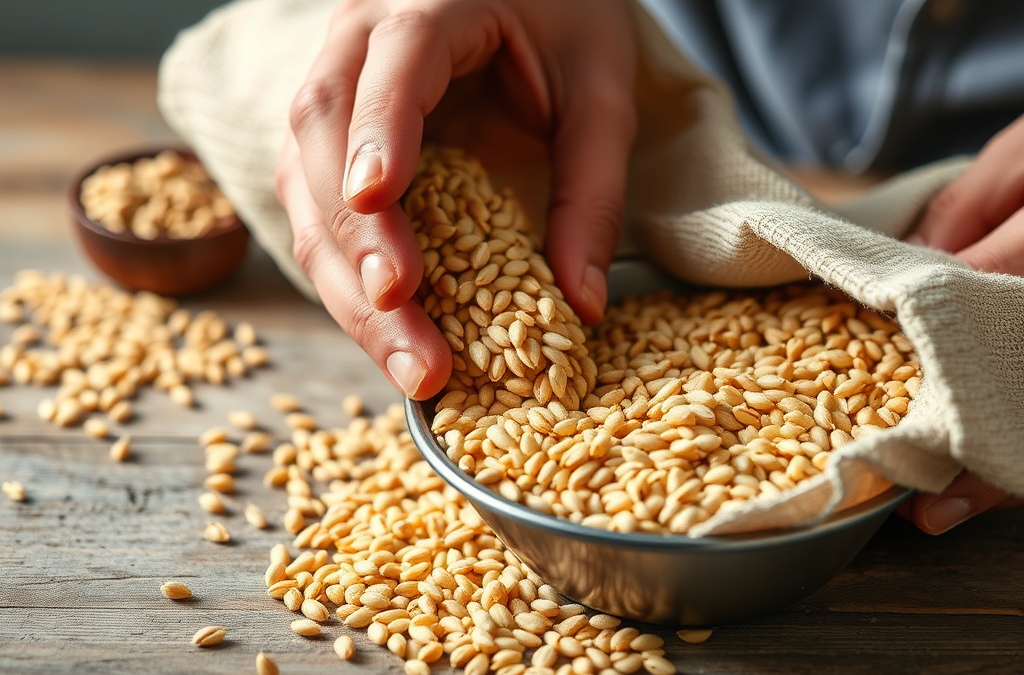
Strategies for bulk grain buying and storage involve selecting high-quality grains, understanding market trends, and employing effective storage techniques. Prioritize sourcing grains from reliable suppliers to ensure quality and negotiate prices based on market conditions. Additionally, implement proper storage methods to prevent spoilage and maintain grain integrity over time, such as controlling temperature and moisture levels. These strategies help maximize yield and minimize losses in your grain management operations.
Understanding the Grain Market
Understanding the grain market is crucial for effective bulk grain buying and storage. Market trends influence pricing and availability, making it essential to stay informed about seasonal fluctuations, global supply chain issues, and local demand. For instance, monitoring crop reports, weather patterns, and international trade agreements can provide insights into potential price movements. Many producers rely on market analysis tools and resources from agricultural extensions to help interpret these trends.
One common mistake is failing to anticipate market changes, which can lead to overpaying for grain or missing out on better pricing opportunities. Establishing relationships with local farmers or grain brokers can also facilitate better deals and ensure timely access to quality products.
Choosing the Right Grains
Choosing the right grains involves assessing both the quality and type suitable for your storage capacity and intended use. Factors such as moisture content, pest resistance, and nutritional value should guide your decisions. High-quality grains not only yield better results in product quality but also have longer shelf lives, reducing the risk of spoilage.
For example, when selecting grains like wheat, corn, or barley, consider their specific storage requirements. Wheat, for instance, requires lower moisture levels compared to corn to prevent mold growth. Understanding these requirements helps in making informed decisions that align with your storage capabilities.
Another pitfall is neglecting to evaluate the grains’ intended use, which can lead to mismatches between supply and demand. Conducting thorough assessments and keeping abreast of market preferences can prevent these issues.
Effective Storage Solutions
Implementing effective storage solutions is vital for maintaining grain quality over time. Proper storage techniques include using airtight containers, controlling humidity and temperature, and regularly inspecting stored grains for signs of spoilage. For example, using silos or bins equipped with temperature control systems can significantly extend the shelf life of grains.
It’s essential to consider the layout of your storage facilities as well. Adequate spacing between containers can help facilitate airflow and reduce the risk of moisture accumulation. Additionally, employing pest control measures, such as monitoring traps and periodic fumigation, ensures that stored grains remain free from infestations.
Many growers often overlook the importance of regular maintenance checks. Setting up a schedule for inspections helps identify potential issues early, preventing significant losses down the line.
Monitoring and Maintenance Practices
Monitoring and maintenance practices play a significant role in the success of bulk grain storage. Regular assessments of temperature, humidity, and grain condition can help detect problems before they escalate. Utilizing digital monitoring systems can provide real-time data and alerts, empowering managers to take timely action.
For example, if a rise in temperature is detected, it may indicate spoilage or pest activity, prompting immediate intervention. Additionally, maintaining a clean storage environment helps prevent contamination and ensures that grains remain in optimal condition.
Get Whole Wheat Flour, Grains and Milling Supplies – CLICK HERE

One common misconception is that once grains are stored, no further action is required. In reality, ongoing monitoring is vital for sustaining grain quality and maximizing yield. Developing a comprehensive monitoring plan, including routine inspections, can significantly enhance storage effectiveness.
Frequently Asked Questions
What are the best practices for bulk grain buying?
Best practices include sourcing from trusted suppliers, monitoring market trends, and purchasing at optimal times to secure lower prices.
How can I ensure the quality of stored grains?
To ensure quality, maintain appropriate moisture levels, control temperature, and regularly inspect for pests and spoilage.
What common mistakes should I avoid in grain storage?
Avoid neglecting regular inspections, failing to control humidity, and overlooking pest management practices.
How often should I inspect stored grains?
Regular inspections should be conducted at least once a month to catch any potential issues early.
What factors influence grain pricing?
Factors include supply and demand dynamics, weather conditions, global market trends, and government policies.
Further Reading
Authoritative Sources
Conclusion
Effective strategies for bulk grain buying and storage are essential for maximizing yield and maintaining quality. By understanding market dynamics, choosing the right grains, implementing robust storage solutions, and monitoring conditions, grain managers can significantly reduce losses. Prioritizing these practices will not only enhance operational efficiency but also ensure a reliable supply of quality grains for future use.
Get Whole Wheat Flour, Grains and Milling Supplies – CLICK HERE
Auto Amazon Links: No products found.
Further Reading
Authoritative Sources
- Efficient Grain Storage Solutions | PDF | Roof | Warehouse
scribd.comThis document discusses post-harvest storage of grains, particularly rice. It provides the following key points: 1) Between 25-50% of total grain value is ...
- Practical steps for reducing grain loss from harvest to storage
agproud.comPay attention to key factors such as proper equipment calibration, moisture management, storage conditions and routine monitoring, so that ...
- 6 Best Practices for Grain and Seed Storage in Agricultural ...
goodmenproject.comRotating the stock of the harvested crop is necessary to keep the grain fresh. Implementing the FIFO (First In, First Out)strategy will ensure ...
- (PDF) Grain handling and storage practices of grain traders ...
researchgate.netGrain sampling followed by sorting and drying were the main procedures carried out within the traders' stores after receiving new stock. In case ...