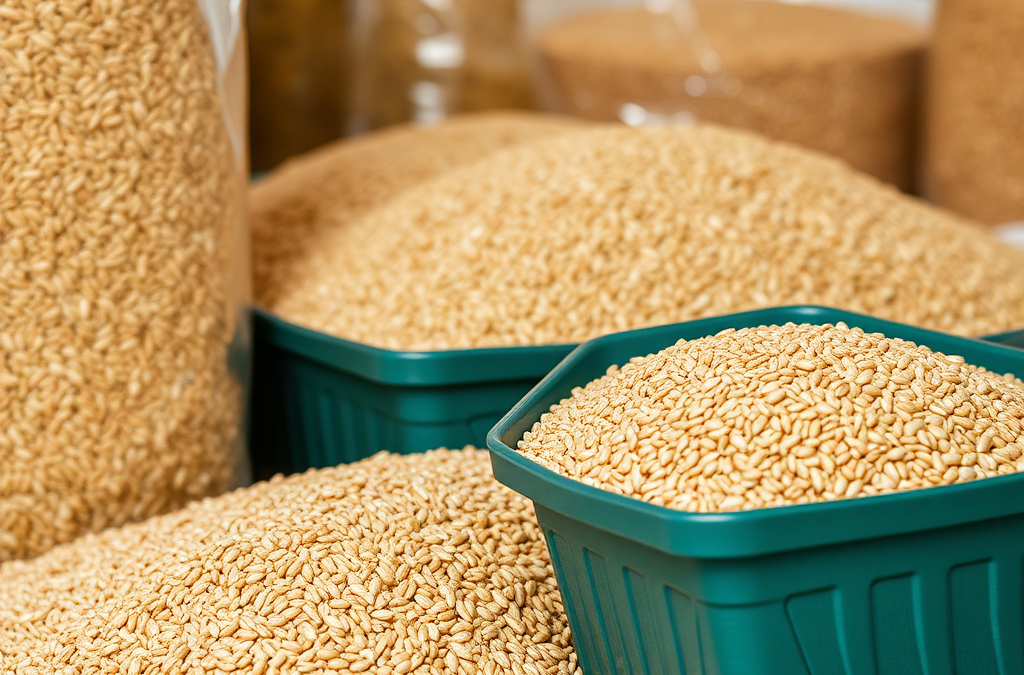
Effective grain stockpiling requires maintaining optimal storage conditions, including using airtight containers and monitoring temperature and humidity levels. To prevent spoilage, grains should be stored in cool, dry, and dark environments, ideally between 50°F and 70°F with humidity below 60%. Regular inspections for pests and moisture content are essential; grains should be cleaned and dried to about 12-14% moisture before storage. A common mistake is neglecting these assessments, which can lead to mold and nutrient loss. By implementing these strategies, you can significantly extend the shelf life and quality of your grain stockpile.
Understanding Grain Quality and Preservation
Effective grain stockpiling starts with understanding the factors that affect grain quality. Moisture content, temperature, and exposure to pests are critical elements to consider. Grains with high moisture are susceptible to mold and spoilage, while extreme temperatures can degrade their nutritional value. By carefully monitoring these factors, you can ensure that your grains remain in optimal condition for extended periods.
One common mistake is underestimating the importance of grain quality assessment before storage. Grains should be thoroughly cleaned and dried to the appropriate moisture level, generally around 12-14%, to minimize spoilage risks. Additionally, using a quality control check, such as the ‘crack test’ for grains, can help determine their viability for long-term storage.
Overall, investing time in understanding the quality of the grains you store will pay off in the long run, ensuring that your stockpile remains nutritious and safe for consumption.
Optimal Storage Conditions
Creating and maintaining optimal storage conditions is essential for effective grain stockpiling. Grains should ideally be stored in cool, dark, and dry environments to prevent deterioration. The ideal temperature range is typically between 50°F and 70°F, with relative humidity levels kept below 60%.
One practical approach to achieving these conditions is to use temperature and humidity monitoring devices in your storage area. This allows you to make necessary adjustments, such as using dehumidifiers or air conditioning, to maintain the ideal environment. Additionally, keeping grains off the ground and using pallets can help with air circulation, further preventing moisture buildup.
Another key consideration is the potential for pest infestations. Integrated pest management strategies, such as regular monitoring and implementing traps, can help mitigate these risks. Remember, the goal is to create an environment that discourages pests while maintaining the quality of your stored grains.
Airtight Containers and Their Importance
Using airtight containers is a fundamental strategy for effective grain stockpiling. These containers prevent moisture and pests from entering, significantly extending the shelf life of grains. Options include food-grade plastic bins, glass jars, and metal containers, each providing varying levels of protection.
When choosing containers, consider the volume of grains you plan to store and the ease of access. For example, if you have a large quantity of grains, a bulk storage bin with a secure lid might be ideal. On the other hand, smaller quantities can be effectively stored in glass jars, which also allow for easy visibility.
Moreover, it is crucial to ensure that the containers are clean and dry before use. Any residual moisture can lead to mold growth or spoilage, negating the benefits of using airtight storage. Regularly checking seals and container integrity will help maintain the effectiveness of your storage solutions.
Regular Inspection and Maintenance
Regular inspection and maintenance of stored grains are vital for effective stockpiling. Establishing a routine check every few months can help you identify potential issues before they escalate. During inspections, look for signs of pests, moisture, and any deterioration in grain quality.
Get Whole Wheat Flour, Grains and Milling Supplies – CLICK HERE

Additionally, rotating your stock is a best practice that helps ensure older grains are used first, minimizing the risk of spoilage. This method, known as FIFO (first in, first out), encourages the consumption of older grains before they lose quality. Creating a clear labeling system can facilitate this process, making it easier to track the age of your stored grains.
Lastly, consider documenting your inspections and any findings. Keeping a record of conditions and any changes made will provide valuable insights for future stockpiling efforts, helping you refine your strategies over time.
Frequently Asked Questions
What is the ideal moisture content for stored grains?
The ideal moisture content for stored grains is typically between 12-14%. This level helps prevent mold growth and spoilage.
How often should I inspect my stored grains?
It is recommended to inspect stored grains every few months to check for signs of pests, moisture, and overall grain quality.
What type of containers are best for grain storage?
Airtight containers made from food-grade plastic, glass, or metal are ideal for grain storage, as they prevent moisture and pests from entering.
How can I prevent pest infestations in my grain stockpile?
Implementing integrated pest management strategies, such as regular monitoring and traps, can help prevent pest infestations in your grain stockpile.
What is the FIFO method in grain storage?
FIFO, or first in, first out, is a method used in grain storage to ensure older grains are used first, reducing the risk of spoilage.