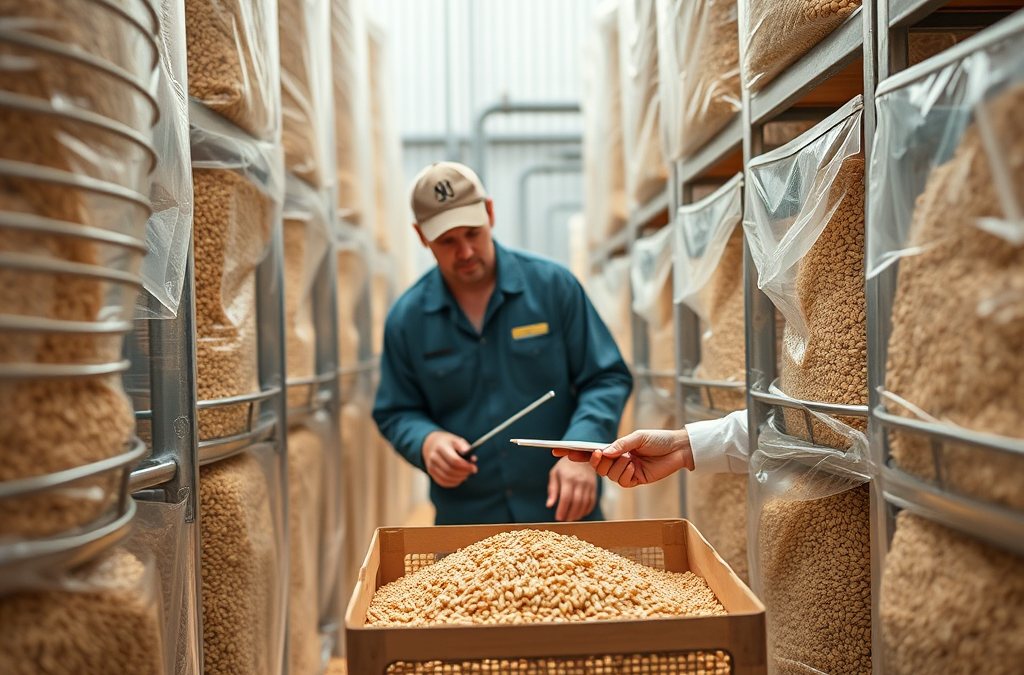
Regular grain inspections are vital for preserving grain quality and preventing spoilage. These inspections enable early detection of issues such as pest infestations and moisture problems, which can lead to significant economic losses if not addressed. Implementing a consistent inspection schedule allows grain handlers to take timely action, such as adjusting storage conditions to mitigate mold growth. Additionally, identifying contamination risks promptly can protect consumer health and maintain the market value of the grain. Prioritizing regular inspections ultimately safeguards both the integrity of the grain and the safety of those who consume it.
Understanding the Need for Inspections
Regular grain inspections are essential for maintaining the quality and safety of stored grains. These inspections allow operators to detect early signs of spoilage, pest infestations, and moisture accumulation, which can lead to significant losses if not addressed promptly. The importance of these inspections cannot be overstated, as they form the first line of defense against potential issues that could compromise grain integrity.
Grain is a perishable commodity, and its quality can deteriorate rapidly due to environmental factors. Having a structured inspection protocol helps ensure that any changes in grain condition are caught early, allowing for timely interventions. For instance, monitoring moisture levels can prevent mold growth and mycotoxin production, which pose serious health risks to consumers.
Common Risks Associated with Poor Inspections
Neglecting regular inspections can lead to numerous risks, including economic losses and health hazards. One of the most significant risks is the potential for pest infestations. Insects such as weevils and beetles can quickly multiply in stored grain, leading to contamination and reduced market value.
Another risk is the development of mold, which thrives in damp conditions. Mold not only affects the quality of grain but can also produce mycotoxins that are harmful to human and animal health. The failure to identify these issues early can result in extensive financial losses, as contaminated grain may need to be discarded or sold at a loss.
Additionally, poor inspections can lead to legal liabilities. If contaminated grain reaches consumers, it can result in lawsuits and damage to a business’s reputation. Therefore, regular inspections are not just a best practice but a necessity for protecting both the product and the business.
Best Practices for Conducting Inspections
To maximize the effectiveness of grain inspections, it is vital to follow best practices. First, establish a regular inspection schedule based on the type of grain and storage conditions. For example, grains stored in humid environments may require more frequent checks.
During inspections, focus on key indicators such as moisture content, temperature, and the presence of pests. Utilizing tools like moisture meters and thermometers can provide accurate readings to help assess grain condition. Additionally, visual inspections should be thorough, checking for any signs of mold, insects, or unusual odors.
Involving trained personnel in the inspection process is also crucial. These individuals should be knowledgeable about the specific grains being stored and the potential issues that can arise. Regular training and updates on new inspection techniques and technologies can further enhance the inspection process.
Technological Advances in Grain Inspection
Recent advancements in technology have significantly improved the efficiency and accuracy of grain inspections. Automated systems and sensors can monitor grain conditions in real-time, providing data on moisture levels, temperature fluctuations, and pest activity without the need for constant manual checks.
For example, some facilities now use digital imaging and machine learning algorithms to detect signs of spoilage or infestation. These technologies can analyze grain images for visual anomalies that may indicate problems, allowing for quicker responses to emerging issues.
Implementing these technologies not only enhances inspection accuracy but also reduces labor costs and the time required for manual inspections. As the grain industry continues to evolve, embracing these innovations will be essential for maintaining high standards of quality and safety.
Get Whole Wheat Flour, Grains and Milling Supplies – CLICK HERE

For those interested in learning more about grain inspections and best practices, consider researching resources from agricultural extension services or industry-specific publications. These sources provide valuable insights into maintaining grain quality and safety.
Frequently Asked Questions
What are the key indicators to look for during grain inspections?
Key indicators include moisture content, temperature, signs of pest infestations, and any visible mold or unusual odors.
How often should grain inspections be conducted?
Inspections should be conducted regularly, with frequency depending on the type of grain and storage conditions, typically every few weeks.
What are the risks of neglecting grain inspections?
Neglecting inspections can lead to spoilage, pest infestations, contamination, and significant economic losses.
Can technology improve grain inspection processes?
Yes, technologies such as automated sensors and machine learning can enhance inspection accuracy and efficiency.
What should I do if I find contamination during an inspection?
If contamination is found, it is crucial to remove the affected grain immediately and assess the extent of the issue to prevent further spread.
Conclusion
Regular grain inspections are vital for ensuring the safety and quality of stored grains. By implementing a structured inspection routine, grain handlers can detect potential issues early, preventing spoilage and minimizing economic losses. Technological advancements further enhance these processes, making inspections more efficient and accurate. Prioritizing grain inspections not only protects the product but also safeguards consumer health and maintains business integrity.
Get Whole Wheat Flour, Grains and Milling Supplies – CLICK HERE
Auto Amazon Links: No products found.