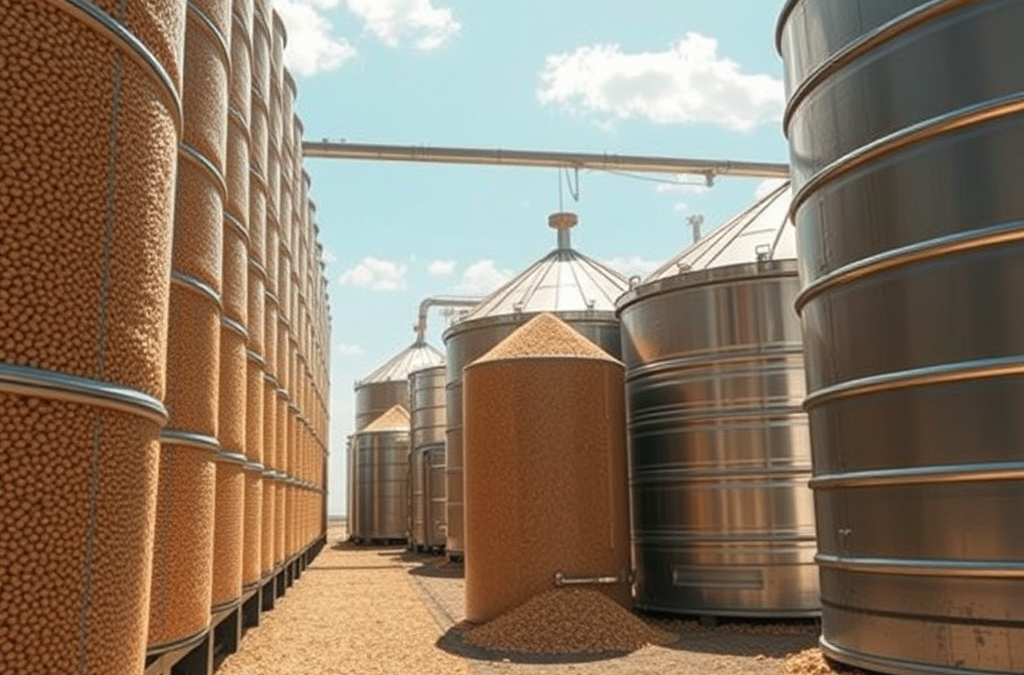
Bulk grain storage is a cost-effective strategy that significantly reduces spoilage and transportation expenses. By investing in proper storage facilities, farmers and grain traders can minimize losses from pests and environmental factors, ultimately leading to higher profitability. It's essential to maintain optimal conditions, such as humidity and temperature, to preserve grain quality. Additionally, bulk storage allows for better market timing, enabling producers to sell grain at favorable prices rather than during harvest when prices may be lower. This strategic approach not only stabilizes income but also enhances overall operational efficiency.
Understanding Bulk Grain Storage
Bulk grain storage refers to the practice of storing large quantities of grain in a single location, often in silos or warehouses. This method is essential for farmers and grain traders as it allows for the preservation of grain quality and facilitates better market timing. Understanding the intricacies of bulk grain storage is crucial for maximizing yield and profitability. It involves not just the physical storage itself but also the management of environmental factors that can affect grain quality.
Proper bulk storage can significantly reduce spoilage and losses due to pests or spoilage, which is a common concern in grain handling. For instance, maintaining optimal humidity and temperature levels can help in preventing mold growth and insect infestations. Therefore, effective bulk grain storage is a strategic investment that can lead to increased earnings for producers and suppliers alike.
Cost-Benefit Analysis of Bulk Storage
When considering bulk grain storage, conducting a thorough cost-benefit analysis is vital. The primary costs associated with bulk storage include the initial capital expenditure for storage facilities, ongoing maintenance costs, and potential losses from spoilage if not managed correctly. However, the benefits often outweigh these costs. For example, bulk storage can lead to lower transportation costs as large quantities can be moved at once, and it minimizes the frequency of handling, which reduces labor costs.
Moreover, bulk storage allows for price stabilization. By storing grain during harvest when prices are low and selling it later when prices rise, producers can maximize their profits. This strategy not only enhances financial profitability but also contributes to market stability by preventing price fluctuations.
Challenges in Bulk Grain Storage
Despite its advantages, bulk grain storage comes with several challenges that need to be addressed. One major issue is the risk of spoilage due to poor storage conditions. Factors such as humidity, temperature fluctuations, and pest infestations can lead to significant losses if not properly managed. For instance, grain stored in humid conditions is more susceptible to mold, which can render it unsaleable.
Another challenge is the initial investment required for constructing or upgrading storage facilities. Many small-scale farmers may find it difficult to afford the upfront costs, which can deter them from adopting bulk storage methods. Additionally, maintaining the quality of stored grain necessitates ongoing monitoring and management, which can be resource-intensive.
Best Practices for Effective Storage
Implementing best practices for bulk grain storage can significantly enhance its cost-effectiveness. First, it is crucial to select appropriate storage facilities that are well-ventilated and insulated to regulate temperature and humidity levels. Using aeration systems can help maintain optimal conditions and prevent spoilage.
Regular monitoring of stored grain is essential. Farmers should conduct routine inspections to check for signs of pest infestations or spoilage. Additionally, maintaining a clean storage environment can prevent contamination and ensure the longevity of the grain. Educating staff on proper handling techniques and storage management can also contribute to minimizing losses.
Frequently Asked Questions
What are the main benefits of bulk grain storage?
The main benefits include reduced spoilage, lower transportation costs, and the ability to stabilize market prices through timing sales.
How can I prevent spoilage in bulk grain storage?
Prevent spoilage by maintaining optimal temperature and humidity levels, conducting regular inspections, and ensuring proper ventilation in storage facilities.
What equipment is necessary for bulk grain storage?
Essential equipment includes silos, aeration systems, grain handling equipment, and monitoring tools to track environmental conditions.
What challenges might I face with bulk grain storage?
Challenges include high initial investments, ongoing maintenance costs, and risks associated with spoilage and pest infestations.
Is bulk grain storage suitable for small-scale farmers?
While it can be beneficial, the initial costs and management requirements may pose challenges for small-scale farmers. However, cooperative storage solutions can be an alternative.
Conclusion
Understanding the cost-effectiveness of bulk grain storage is essential for maximizing profitability in grain production. By weighing the benefits against the challenges and implementing best practices, farmers can significantly enhance their operations. Investing in proper storage techniques not only safeguards grain quality but also enables strategic market positioning. As grain markets evolve, adapting to these storage methods will be crucial for sustaining agricultural viability.
Get Whole Wheat Flour, Grains and Milling Supplies – CLICK HERE

Auto Amazon Links: No products found.