
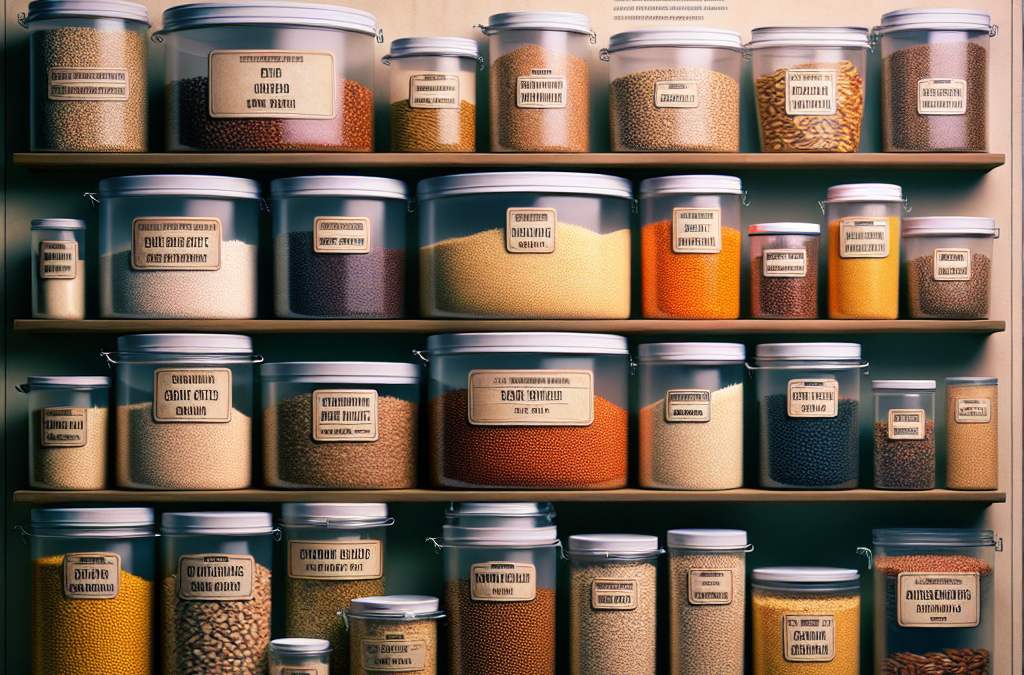
In a world where global events can impact food supply chains, preparing for food shortages is no longer a niche concern but a necessary undertaking for many households. This preparation requires a proactive mindset, enabling families to ensure they have adequate food resources during uncertain times. By taking specific, actionable steps, you can significantly enhance your household’s resilience against potential food scarcity.
Real-world stakes are high when it comes to food security, as unprepared families may find themselves scrambling to secure essential supplies in times of crisis. Common pitfalls include underestimating the duration of shortages or neglecting to maintain a balanced food supply. To avoid these missteps, it’s crucial to prioritize the right resources and strategies tailored to your unique circumstances and environment.

Assessing Your Current Food Supply
The first step in preparing for food shortages is to take stock of what you currently have. This assessment should include not only the quantity of food but also the variety and nutritional value of your supplies. A well-rounded food supply should encompass proteins, grains, fruits, and vegetables, ensuring that your family receives balanced nutrition even during tough times.
Many families make the mistake of focusing solely on bulk purchases, neglecting the importance of variety. A diverse food supply not only enhances nutrition but also keeps meals interesting. To avoid falling into a rut of repetitive meals, consider incorporating less common staples and rotating your supplies regularly to maintain freshness. This way, you can develop a comprehensive plan that addresses both quantity and quality.
Diverse Food Sources: A Key Strategy
Relying on a single source for food can leave you vulnerable in times of crisis. Therefore, diversifying your food sources is a critical strategy in preparing for food shortages. This could mean exploring local farmers’ markets, community-supported agriculture (CSA), or even growing your own vegetables.
Many people underestimate the value of local food systems. Not only do they often provide fresher options, but they also support local economies and can be more resilient to global supply chain disruptions. If you’re considering growing your own food, prioritize easy-to-grow crops that suit your climate and space, such as tomatoes, lettuce, or herbs. This approach not only ensures a steady supply but also fosters a deeper connection with your food sources.
Effective Food Preservation Techniques
One of the most valuable skills in preparing for food shortages is mastering food preservation techniques. Whether through canning, dehydrating, or freezing, these methods allow you to extend the shelf life of perishable items and minimize waste.
Many families overlook the importance of learning these techniques, often assuming that fresh food is always available. However, understanding how to effectively preserve food can be a game-changer. Start with basic techniques like canning seasonal fruits and vegetables or investing in a dehydrator for herbs and excess produce. As you gain confidence, you can explore more advanced methods, which can help you stockpile food for unexpected shortages.
Get Whole Wheat Flour, Grains and Milling Supplies – CLICK HERE

Budgeting for Food Security
Preparing for food shortages does not have to break the bank. Budgeting effectively is essential for building a sustainable food supply. Creating a food security budget entails identifying your current food expenses and reallocating funds towards purchasing non-perishable items and other essentials.
Many families mistakenly believe that stockpiling food requires a significant upfront investment. In reality, you can gradually build your supply by purchasing items on sale, using coupons, and planning meals around seasonal produce. Prioritize buying in bulk for items that have long shelf lives, such as rice, beans, and canned goods, to save money in the long run.
Frequently Asked Questions
What should I include in my emergency food supply?
Focus on non-perishable items like canned goods, grains, dried legumes, and dehydrated foods to ensure a balanced supply.
How long can food be stored safely?
Most canned goods can last 2-5 years, while dry goods like rice and beans can last indefinitely if stored properly.
Is growing my own food worth it?
Yes, growing your own food can provide fresh produce and reduce reliance on store-bought items, contributing to food security.
How can I ensure my food stays fresh longer?
Utilize proper storage techniques, such as airtight containers and cool, dark environments, to extend the life of your food.
What are some common mistakes to avoid when preparing for shortages?
Common mistakes include neglecting variety, underestimating storage needs, and failing to learn preservation techniques.
Conclusion
Preparing for food shortages is an essential practice for ensuring your family’s well-being during uncertain times. By assessing your current food supply, diversifying your sources, mastering preservation techniques, and budgeting wisely, you can build a resilient food supply that meets your family’s needs. Start small, make informed decisions, and prioritize the strategies that best fit your household to secure your future against potential food shortages.
Related Content
- Step-by-Step Guide to Storing Flour at Home Safely
- How to Store Grain in Bulk: Effective Methods for Long-Term Preservation
- The Ultimate Guide to 2025 Food Storage for Survival: 7 Effective Strategies
- Bulk Wheat Storage Containers: Essential Types and Considerations for Effective Preservation
- The Best Ways to Keep Rodents Out of Grain Storage
Auto Amazon Links: No products found.





