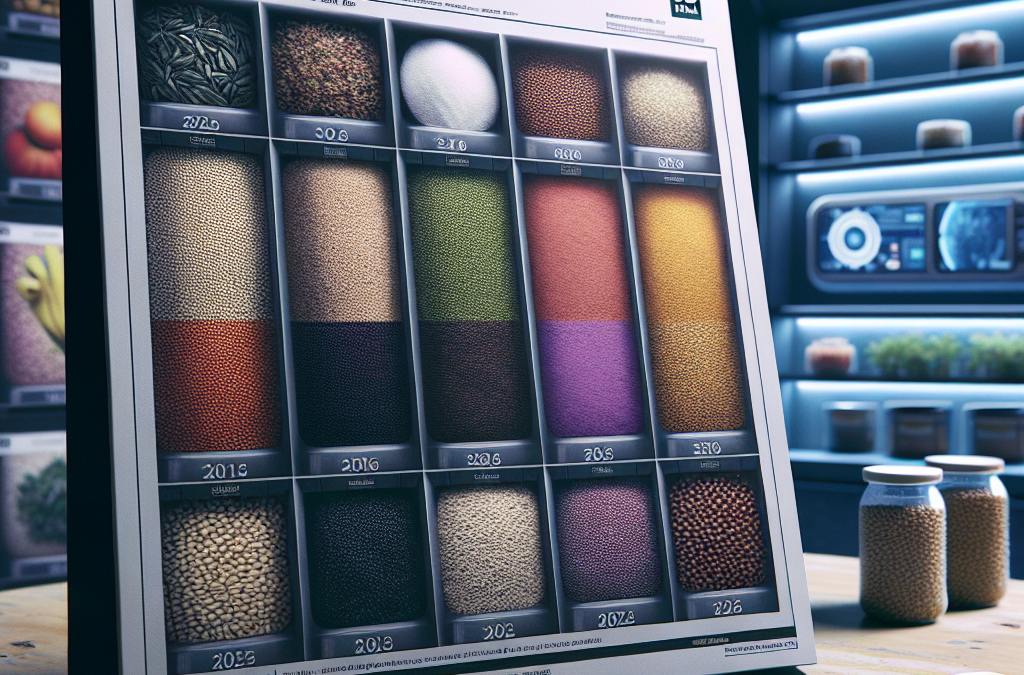
Implementing a solid food storage plan means understanding the types of foods you have and how best to store them. Common mistakes include overcrowding storage areas, not labeling food items, and failing to rotate supplies. Prioritizing proper storage techniques can help mitigate these issues, ensuring that food remains fresh longer and is safe to consume. Assessing your available storage space and selecting appropriate containers is crucial to creating an efficient food storage system.
Many households overlook the importance of following food safety guidelines. For example, perishable items should be stored in the refrigerator or freezer promptly, while dry goods need to be kept in cool, dark places. Educating yourself and your family about these guidelines can greatly reduce the risk of food spoilage and contamination. Additionally, regularly reviewing your food inventory can help identify items that need to be used soon, thereby reducing waste.
Assessing Your Storage Space
To create an effective food storage plan, start by assessing your available storage space. Consider the size and layout of your pantry, refrigerator, and freezer. Identify areas that can be optimized, such as using vertical space or adding shelves. Proper organization not only maximizes space but also facilitates easy access to food items.
When assessing your space, think about the types of food you purchase regularly. Some items may require specific storage conditions, such as humidity control for grains or light protection for certain vegetables. By understanding these needs, you can make informed decisions about how to arrange your storage areas to keep food fresh longer.
Another important aspect is ensuring that your storage areas are clean and free from pests. Regularly check for signs of spoilage or contamination and maintain cleanliness to avoid cross-contamination. This proactive approach helps protect your food and ensures that it remains safe for consumption.
Understanding Food Safety Guidelines
Food safety guidelines are essential for preventing foodborne illnesses. Familiarize yourself with the recommended storage temperatures for different types of food. For instance, perishable items such as dairy, meat, and seafood should be stored at or below 40°F (4°C) in the refrigerator, while frozen foods should be kept at 0°F (-18°C).
Additionally, understanding the shelf life of various foods can help in planning your purchases and storage effectively. For example, canned goods can last for years if stored properly, while fresh produce has a much shorter shelf life. Implementing a first-in, first-out (FIFO) system can ensure that older items are used before newer ones, reducing waste.
It’s also important to regularly check the integrity of packaging. Any signs of damage, such as dents in cans or broken seals, can compromise food safety. Be vigilant about inspecting items before placing them in storage, as this can save you from potential health risks.
Effective Inventory Management
Effective inventory management is key to successful food storage planning. Keeping a running inventory of what you have on hand allows you to track expiration dates and prioritize usage. Consider using a simple spreadsheet or an app designed for inventory management to simplify this process.
Regularly updating your inventory can help you plan meals around what you already have, minimizing the need for unnecessary purchases. This not only saves money but also reduces food waste by ensuring that items are used before they expire.
In addition to tracking expiration dates, categorize your inventory by type or use frequency. This organization aids in quickly locating items and planning meals based on what’s available. Implementing these strategies will make your food storage more efficient and effective.
Get Whole Wheat Flour, Grains and Milling Supplies – CLICK HERE

Common Mistakes to Avoid
Many households make common mistakes when it comes to food storage planning. One major mistake is failing to label food items clearly. Even if you are familiar with your inventory, labeling helps others in the household understand what items are present and when they should be used.
Another frequent error is overcrowding storage areas. When items are crammed together, it can lead to spoilage and make it difficult to see what you have. Ensure that there is enough space for air circulation, especially in the refrigerator and pantry.
Additionally, neglecting to periodically review your storage areas can lead to forgotten items that spoil and create waste. Set a schedule to check your food storage regularly, ensuring that everything remains organized and that you are aware of what needs to be consumed soon.
Further Reading
Authoritative Sources
- USDA Food Safety and Inspection Service
fsis.usda.govThis resource provides comprehensive guidelines on food safety practices, including storage recommendations
- FoodSafety.gov
foodsafety.govA reliable source for food safety information, including storage tips and safety guidelines
- Academy of Nutrition and Dietetics
eatright.orgOffers expert advice on food storage, safety, and meal planning
Frequently Asked Questions
What is the best way to store leftovers?
Leftovers should be stored in airtight containers and refrigerated within two hours of cooking. Label them with the date and consume them within three to four days.
How can I extend the shelf life of dry goods?
Store dry goods in cool, dark, and dry places in airtight containers to prevent moisture and pests from affecting their quality.
What temperatures are safe for food storage?
Refrigerators should be set at 40°F (4°C) or below, while freezers should be at 0°F (-18°C) to ensure food safety.
How often should I check my food storage?
It’s advisable to check your food storage at least once a month to ensure items are not expired and to maintain organization.
What should I do if I find spoiled food?
Spoiled food should be discarded immediately to prevent contamination of other items. Clean the storage area thoroughly before restocking.
Conclusion
Food storage planning for households is essential for maximizing freshness and ensuring safety. Start by assessing your available storage space and understanding the specific needs of various food items. Implement effective inventory management to minimize waste, while avoiding common mistakes such as overcrowding and failure to label. Regularly reviewing your storage areas and adhering to food safety guidelines will help you maintain a healthy, efficient kitchen. Prioritize these steps to create a sustainable food storage system that benefits your household.
Get Whole Wheat Flour, Grains and Milling Supplies – CLICK HERE
Auto Amazon Links: No products found.