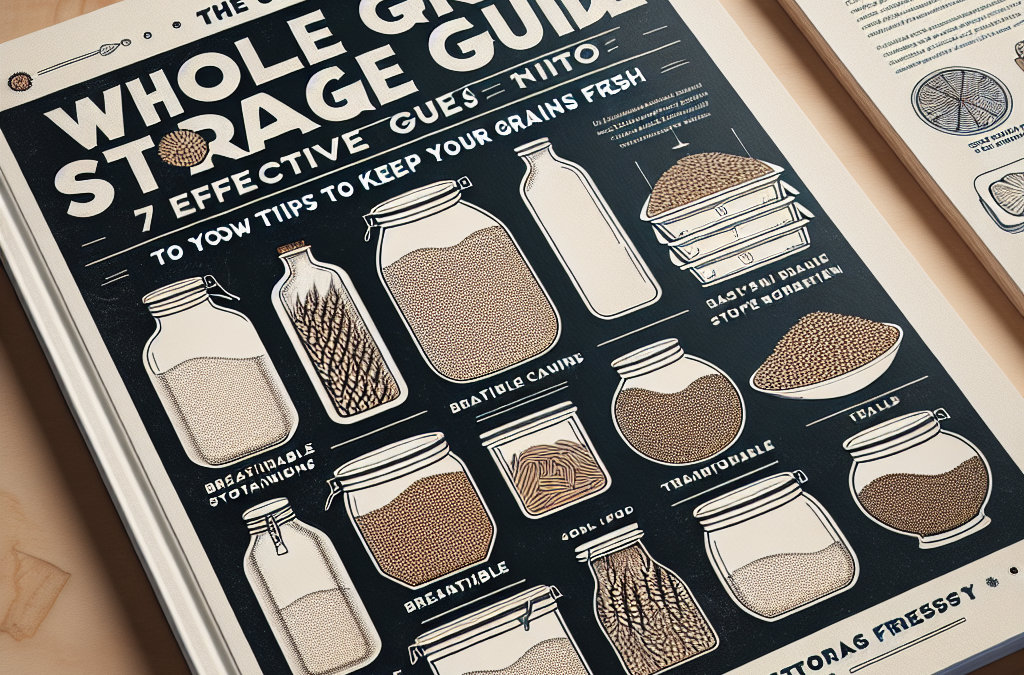
When storing organic grains, it is important to consider the environmental conditions, as these can significantly impact grain quality. High humidity can lead to mold growth, while extreme temperatures can cause loss of nutrients. A well-planned storage solution incorporates these elements, focusing on maintaining optimal conditions to extend shelf life. Additionally, choosing the right storage containers, such as food-grade plastic bins or glass jars, can further enhance preservation.
A common mistake in long term storage is neglecting regular checks on grain quality. Over time, even well-stored grains can develop issues like insect infestations or moisture problems. Regular monitoring allows for early detection of potential issues, enabling proactive measures to be taken before significant spoilage occurs. Prioritizing these checks is essential to ensure grains remain healthy and safe for use.
Understanding Optimal Storage Conditions
Optimal storage conditions are crucial for long term organic grain storage. Grains should be stored in a cool, dry place to minimize moisture content. The ideal temperature is typically between 50°F and 70°F, with humidity levels maintained below 15%. High moisture can lead to mold growth and spoilage, which compromises the grains’ safety and quality.
To achieve these conditions, consider utilizing climate-controlled storage spaces or dehumidifiers in areas prone to moisture. Pay attention to seasonal changes, as temperature and humidity can fluctuate, affecting stored grains. Additionally, it is vital to keep grains away from direct sunlight, which can lead to heat buildup and degradation of quality over time.
Many people overlook the importance of airflow in storage environments. Proper ventilation helps maintain consistent temperature and humidity levels, reducing the risk of spoilage. Investing in storage setups that promote airflow can significantly enhance the longevity of stored grains.
Choosing the Right Containers
The choice of storage containers plays a critical role in the effectiveness of long term organic grain storage. Containers should be airtight to prevent moisture ingress and protect against pests. Options include food-grade plastic containers, glass jars, and metal bins, each with its advantages.
Plastic containers are lightweight and easy to handle, while glass jars provide excellent visibility and are less likely to harbor odors. Metal bins, on the other hand, offer durability and pest resistance. When selecting containers, ensure they are food-safe and suitable for long-term storage to avoid chemical leaching that can contaminate grains.
Additionally, labeling containers with the grain type and storage date can help manage inventory and ensure grains are used within their optimal timeframe. This practice prevents older grains from being overlooked and reduces waste, promoting efficient use of stored resources.
Regular Monitoring and Maintenance
Regular monitoring is essential for effective long term organic grain storage. This process involves checking stored grains periodically for signs of spoilage, such as unusual odors, discoloration, or the presence of pests. Early detection allows for timely intervention, preventing minor issues from escalating into significant problems.
Establishing a routine inspection schedule can help maintain grain quality. During these checks, assess moisture levels, inspect containers for damage, and replace any compromised grains. Consider using moisture meters to accurately gauge humidity levels within storage containers, ensuring they remain within safe limits.
Get Whole Wheat Flour, Grains and Milling Supplies – CLICK HERE

Many storage setups can benefit from periodic cleaning to remove dust and debris that may harbor pests. A clean storage environment not only enhances safety but also contributes to overall grain quality, making maintenance a priority.
Common Mistakes to Avoid
A few common mistakes can undermine the effectiveness of long term organic grain storage. One significant error is overloading storage containers, which can lead to inadequate airflow and increased moisture retention. It is essential to leave sufficient space in containers to allow for proper ventilation.
Another mistake is neglecting to monitor storage conditions. Failing to check temperature and humidity can result in unnoticed spoilage, leading to waste and potential health risks. Regular checks are necessary to ensure that grains remain safe and suitable for consumption.
Additionally, many overlook the importance of pest control in storage environments. Implementing preventative measures, such as using pest-proof containers and regularly inspecting for signs of infestation, can help maintain the integrity of stored grains.
Further Reading
For those looking to deepen their understanding of organic grain storage, consult resources from agricultural extension services or organizations specializing in food safety. These materials can provide valuable insights and best practices tailored to organic grain preservation.
Further Reading
Authoritative Sources
- MedlinePlus
medlineplus.govConsumer-friendly medical and health information from the U.S. National Library of Medicine.
- National Institutes of Health
nih.govResearch-based health information and links to authoritative medical resources.
- Centers for Disease Control and Prevention
cdc.govOfficial public health guidance, prevention resources, and topic-specific recommendations.
- Mayo Clinic
mayoclinic.orgTrusted clinical guidance, symptom explainers, and treatment overviews.
- World Health Organization
who.intGlobal health guidance, fact sheets, and evidence-based public health information.
Frequently Asked Questions
What is the ideal temperature for storing organic grains?
The ideal temperature for storing organic grains is between 50°F and 70°F to prevent spoilage and maintain quality.
How can I prevent pests in stored grains?
To prevent pests in stored grains, use airtight containers, regularly inspect for signs of infestation, and maintain a clean storage area.
What moisture level is safe for grain storage?
A moisture level below 15% is considered safe for grain storage to minimize the risk of mold growth and spoilage.
How often should I check my stored grains?
It is recommended to check stored grains at least once a month to monitor for spoilage and ensure optimal storage conditions.
Can I store different types of grains together?
While it is possible to store different types of grains together, it is best to keep them separate to avoid cross-contamination and ensure proper management.
Conclusion
Long term organic grain storage requires careful consideration of environmental conditions, container selection, and regular monitoring. By maintaining optimal temperatures and humidity levels, choosing appropriate storage containers, and conducting routine checks, you can preserve the quality and safety of grains effectively. Avoiding common pitfalls, such as neglecting inspections and overloading containers, is crucial for successful storage. Prioritize these practices to ensure that your organic grains remain fresh and safe for future use.
Get Whole Wheat Flour, Grains and Milling Supplies – CLICK HERE
Auto Amazon Links: No products found.