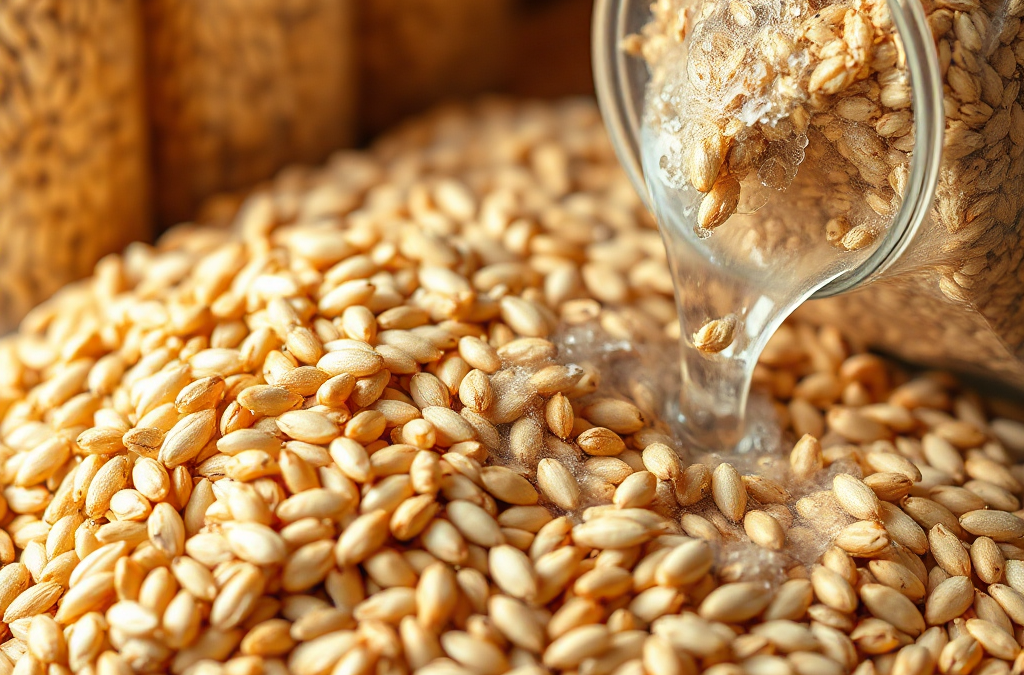
Moisture has long-term effects on grain quality, leading to issues such as mold growth, nutrient depletion, and decreased marketability. Elevated moisture levels create an environment conducive to fungal infections, which can produce harmful mycotoxins. To combat these challenges, implement effective storage practices, including maintaining moisture levels between 12-14% and conducting regular inspections. These measures help preserve the grain's integrity, ensuring it remains safe for consumption and retains its value over time.
Understanding Moisture Content in Grain
Moisture content in grain is a critical factor influencing its quality and shelf life. It refers to the amount of water present in the grain, typically expressed as a percentage of the total weight. For most grains, an optimal moisture level is vital for maintaining quality, preventing spoilage, and ensuring safe storage. Generally, grains such as wheat, corn, and rice should be stored at moisture levels between 12-14% to minimize the risk of degradation.
Understanding moisture content is essential because it directly impacts various characteristics of grain, including its weight, texture, and nutritional value. High moisture content can lead to chemical changes within the grain, promoting enzymatic activity that can degrade proteins and carbohydrates. This degradation not only affects the grain’s quality but can also render it unfit for consumption or sale.
Impact of Moisture on Grain Quality
Moisture significantly influences several aspects of grain quality. Firstly, high moisture levels can lead to the growth of molds and bacteria, which can compromise the grain’s safety and edibility. Molds can produce mycotoxins, toxic compounds that pose health risks to humans and animals alike. Furthermore, moisture can cause physical changes in grain, such as sprouting or discoloration, which diminishes its market value.
Additionally, moisture affects the nutritional profile of grain. For example, excessive moisture can lead to the leaching of nutrients, particularly vitamins and minerals. This loss can decrease the grain’s overall nutritional quality, making it less beneficial for consumption. Maintaining an appropriate moisture level is therefore critical for preserving both the safety and nutritional integrity of grain.
Risks Associated with High Moisture Levels
High moisture levels in grain storage can lead to several risks that jeopardize grain quality. One of the most significant risks is the development of mold, which thrives in humid environments. Mold not only degrades the grain but can also produce mycotoxins, which are carcinogenic and pose serious health risks when ingested. Another risk associated with moisture is insect infestations, as many pests are attracted to damp environments, further compromising grain quality.
Moreover, moisture can lead to physical damage to grains. For instance, grains that absorb too much water can swell, crack, or break, making them unsuitable for milling or cooking. This physical degradation not only affects the quality but also reduces the economic value of the grain, leading to financial losses for producers.
Mitigation Strategies for Grain Storage
To mitigate the risks associated with moisture in grain storage, several strategies can be employed. First, it is essential to regularly monitor moisture levels using hygrometers or moisture meters. This monitoring allows for timely interventions if moisture levels exceed recommended thresholds.
Proper ventilation is another critical strategy. Ensuring adequate airflow in storage facilities helps to regulate humidity levels and reduces the likelihood of mold growth. Additionally, employing desiccants or moisture-absorbing materials can help maintain optimal moisture levels during storage.
Lastly, it is crucial to maintain a clean storage environment. Regularly cleaning storage bins and removing any spilled grain or debris can prevent mold and pest infestations, further protecting the quality of stored grain. By implementing these strategies, grain producers can significantly enhance the longevity and quality of their stored grain.
Get Whole Wheat Flour, Grains and Milling Supplies – CLICK HERE

Frequently Asked Questions
What moisture level is considered safe for grain storage?
Generally, a moisture level of 12-14% is considered safe for storing most grains to prevent spoilage and maintain quality.
How does moisture affect grain nutrition?
Excess moisture can lead to nutrient leaching, reducing the overall nutritional quality of the grain.
What are the signs of mold growth in stored grain?
Signs include a musty odor, discoloration, and visible mold growth on the grain surface.
Can high moisture levels lead to pest infestations?
Yes, high moisture levels create an attractive environment for pests, which can compromise grain quality.
What are effective methods to reduce moisture in grain storage?
Effective methods include using desiccants, ensuring proper ventilation, and regularly monitoring moisture levels.
Further Reading
Authoritative Sources
Conclusion
Maintaining optimal moisture levels is crucial for preserving grain quality over the long term. High moisture can lead to mold growth, nutrient loss, and economic losses due to reduced market value. By implementing effective storage strategies, such as regular monitoring and proper ventilation, grain producers can significantly mitigate these risks. Understanding the long-term effects of moisture on grain quality empowers producers to make informed decisions that enhance the safety and integrity of their stored grains.
Get Whole Wheat Flour, Grains and Milling Supplies – CLICK HERE
Auto Amazon Links: No products found.