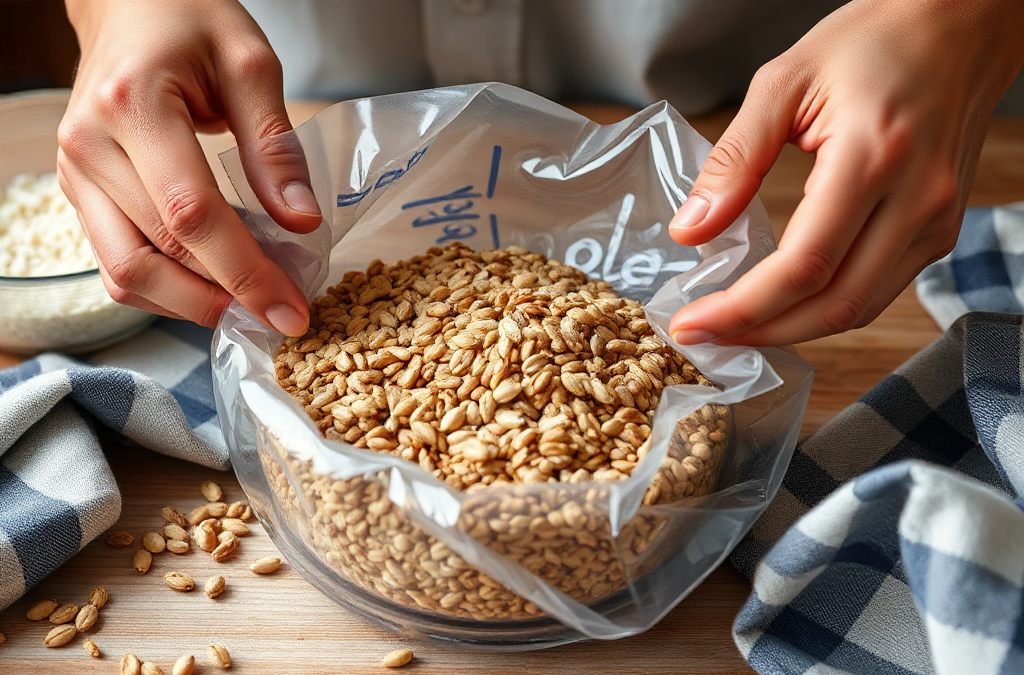
Sealing grains for maximum freshness involves using airtight containers, vacuum sealing, and proper storage methods to prevent moisture, pests, and oxidation. These techniques help maintain the quality and nutritional value of grains over time. Common mistakes include using non-airtight containers and improper storage locations, which can lead to spoilage. For optimal results, choose high-quality storage materials and regularly check for signs of deterioration.
Understanding Grain Preservation
Grain preservation is crucial for maintaining the freshness and nutritional value of grains during storage. When grains are exposed to air, moisture, and pests, they can spoil rapidly. This spoilage can lead to a loss of flavor, texture, and nutritional content. Understanding the factors that contribute to grain degradation helps in implementing effective sealing techniques.
Moisture is one of the primary culprits in grain spoilage. When grains absorb moisture, they become a breeding ground for mold and insects. Additionally, oxidation can degrade the quality of grains, causing them to lose their freshness and flavor. Therefore, sealing grains effectively is essential for extending their shelf life and maintaining their quality.
Best Tools for Sealing Grains
To seal grains effectively, using the right tools is essential. Airtight containers, vacuum sealers, and heat sealers are among the most effective options available. Airtight containers, such as glass jars or plastic bins with tight-fitting lids, prevent air and moisture from entering. These containers are ideal for short-term storage.
Vacuum sealers are particularly useful for long-term storage. By removing air from the packaging, vacuum sealing significantly reduces oxidation and moisture exposure. Heat sealers can also be used to create airtight packages for bulk grains. When selecting tools, consider the volume of grains being stored and the duration of storage required.
Common Mistakes to Avoid
Even with the best tools, common mistakes can compromise the effectiveness of sealing grains. One frequent error is using non-airtight containers, which can allow moisture and air to seep in. Additionally, failing to properly clean containers before storage can lead to contamination and spoilage.
Another mistake is not monitoring the storage environment. Grains should be stored in a cool, dry place away from direct sunlight. High temperatures and humidity can accelerate spoilage, even in sealed containers. Regularly checking for signs of deterioration, such as unusual odors or discoloration, is crucial in preventing spoilage.
Get Whole Wheat Flour, Grains and Milling Supplies – CLICK HERE

Practical Steps for Effective Sealing
Implementing effective sealing techniques involves several practical steps. Start by selecting high-quality, airtight containers that are appropriate for the type and volume of grains being stored. Clean and dry the containers thoroughly to prevent contamination.
Next, consider using a vacuum sealer for optimal freshness. Place the grains in vacuum-sealable bags, ensuring there is little air left inside, and seal them according to the manufacturer’s instructions. For those using airtight containers, fill them to the brim to minimize air space, and securely close the lids.
All in all, label the containers or bags with the contents and the date of sealing. This practice helps in tracking the age of stored grains and in using the oldest supplies first. Regularly inspect stored grains for any signs of spoilage and adjust storage methods as necessary.
Get Whole Wheat Flour, Grains and Milling Supplies – CLICK HERE
Popular Questions
How can I create an effective table of contents for my document?
To create an effective table of contents, start by outlining all major sections and subsections of your document. Use clear and descriptive headings that accurately reflect the content. Ensure the structure is logical and easy to navigate, making it simple for readers to find specific information quickly.
What are the best practices for organizing a table of contents?
Organize your table of contents hierarchically, grouping related topics together. Use consistent formatting for headings and subheadings, such as numbering or indentation. Keep it concise, only including key sections, and update it regularly as your document evolves to maintain accuracy.
How do I link a table of contents to different sections in my document?
Most word processing tools allow you to create hyperlinks from your table of contents to corresponding sections. Use the built-in feature to generate links automatically, which will update as you modify your document. This makes navigation seamless for readers, especially in digital formats.
What should I include in a table of contents for a lengthy report?
Include all major sections and subsections relevant to the report's structure. Consider adding appendices, references, and supplementary materials if applicable. Ensure each entry is descriptive enough to guide readers directly to the content they need.
Auto Amazon Links: No products found.