Understanding the importance of food storage goes beyond just having the right containers. Many people underestimate the impact of environmental factors, such as light exposure and temperature fluctuations, which can lead to spoilage. For instance, storing foods in a cool, dark place can extend their shelf life significantly. Moreover, organizing your storage system can save time and reduce waste, allowing for more efficient meal planning and preparation.
One common mistake in building food storage is overlooking the importance of inventory management. Many individuals accumulate food without keeping track of expiration dates, leading to waste and financial loss. Prioritizing a systematic approach, such as creating a checklist or using an app to monitor your supplies, can help mitigate this issue. Additionally, consider the types of foods you store; prioritize non-perishable items and those with longer shelf lives to maximize your storage potential.
Choosing the Right Containers
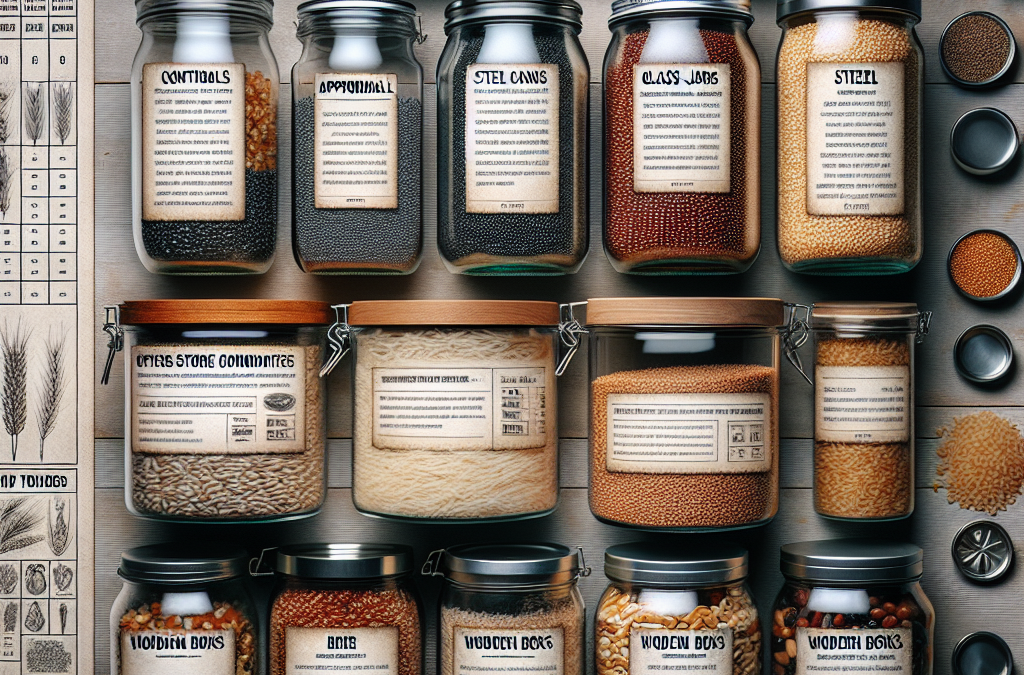
Selecting the right containers is the foundation of effective food storage. Airtight, food-grade containers made from glass or plastic help prevent moisture and pests from ruining your supplies. Additionally, consider the size of the containers based on the type of food you plan to store; larger containers work well for bulk items, while smaller ones are ideal for spices and snacks.
When choosing containers, avoid those that are not specifically designed for food storage, as they may leach harmful chemicals into your food. Look for options with secure seals to maximize freshness and minimize the risk of contamination. Moreover, ensure that your containers are easy to clean and stackable to save space.
Many people overlook the importance of labeling their containers. Clear labels with contents and expiration dates can significantly improve your food storage management. This practice helps ensure that you use items before they expire and reduces the chances of forgetting what’s inside each container.
Creating an Ideal Storage Environment
The environment in which you store your food plays a critical role in its preservation. Aim for a cool, dark, and dry location to minimize spoilage. Ideally, the temperature should remain below 70°F (21°C) to keep food fresh for longer periods. Humidity levels should also be monitored, as high humidity can lead to mold growth and spoilage.
Consider using a dehumidifier in areas prone to moisture, such as basements. Additionally, avoid storing food near heat sources, such as stoves or water heaters, which can cause temperature fluctuations. Proper ventilation is essential to prevent the buildup of stale air and humidity.
Another common mistake is to expose food to direct sunlight. Light can degrade the quality of many food items, particularly those in transparent packaging. Use opaque containers or store foods in dark cabinets to protect them from light exposure.
Organizing Your Food Storage
Effective organization of your food storage can make a significant difference in accessibility and efficiency. Create a designated space for your food items, categorizing them by type, such as grains, canned goods, and snacks. This approach not only helps you locate items quickly but also allows for better inventory management.
Implementing a first-in, first-out (FIFO) system ensures that older items are used before newer ones, reducing waste. When restocking, place new items behind older ones to maintain this order. Additionally, consider using bins or baskets for smaller items to keep them contained and organized.
Get Whole Wheat Flour, Grains and Milling Supplies – CLICK HERE

Many people underestimate the value of a food inventory list. Keeping a written or digital record of your food supplies can help track expiration dates and quantities, ensuring you never run out of essential items. Regularly updating this list can also assist in meal planning and grocery shopping.
Monitoring and Maintaining Your Inventory
Regular monitoring of your food storage is essential to ensure its effectiveness. Conduct periodic checks for spoilage, pests, and expired items. This practice helps you maintain a fresh supply and avoid food waste.
Additionally, consider implementing a rotation system for your food items. When you purchase new supplies, always rotate them to the back of your storage area, allowing older items to be used first. This simple practice can significantly extend the lifespan of your food storage.
Many individuals neglect to keep track of their food inventory, leading to unintentional waste. Use a checklist or inventory app to assist in tracking expiration dates and quantities. Regularly updating this information will help you maintain a well-stocked supply of food.
Further Reading
For more insights on effective food storage strategies, consider exploring resources from reputable organizations such as the USDA or local extension services. They offer comprehensive guidelines and recommendations tailored to various food types and preservation techniques.
Further Reading
Authoritative Sources
- American Kennel Club
akc.orgTrusted dog training, behavior, breed, and puppy care guidance.
- American Veterinary Medical Association
avma.orgVeterinary guidance and animal health resources from a major professional association.
- ASPCA Pet Care
aspca.orgAnimal care, behavior, and safety resources for pet owners.
- Merck Veterinary Manual
merckvetmanual.comDetailed veterinary reference material on animal conditions, care, and treatment topics.
- AAHA for Pet Owners
aaha.orgPet owner guidance from the American Animal Hospital Association.
Frequently Asked Questions
What types of containers are best for food storage?
Airtight, food-grade containers made from glass or plastic are ideal for food storage, as they prevent moisture and pests from compromising the food quality.
How can I determine the best temperature for food storage?
Food storage should ideally be maintained at temperatures below 70°F (21°C) to prolong shelf life and maintain quality.
How often should I check my food storage?
Regular checks every few months are recommended to monitor for spoilage, pests, and expired items, ensuring your supplies remain fresh.
What is the first-in, first-out system?
The first-in, first-out (FIFO) system is a method where older items are used before newer ones, reducing waste and ensuring food quality.
How can I track my food inventory?
Using a written list or inventory app can help you monitor your food supplies, expiration dates, and quantities, making it easier to manage your storage.
Conclusion
Building effective food storage is essential for preserving the quality and safety of your food. Start by choosing the right containers, creating an ideal storage environment, and organizing your inventory efficiently. Regularly monitoring your supplies and implementing a first-in, first-out system can help minimize waste and ensure you always have fresh food on hand. By prioritizing these practices, you can build a reliable food storage system that meets your needs and supports your lifestyle.
Get Whole Wheat Flour, Grains and Milling Supplies – CLICK HERE
Auto Amazon Links: No products found.