
When setting up your storage shelves, consider factors such as location, shelf dimensions, and material durability. A well-planned storage system can prevent spoilage and make it easier to keep track of your inventory. It’s important to avoid common mistakes like overcrowding shelves or using unsuitable containers, which can lead to issues with air circulation and pest access.
Additionally, proper labeling and organization can help you quickly locate different grains when needed. Regularly checking for signs of pest infestation or moisture damage is also crucial to maintaining the quality of your stored grains. Prioritizing these aspects will ensure that your home grain storage system is both effective and sustainable.
Choosing the Right Shelving Units
When selecting shelving units for your home grain storage, consider the weight capacity and material. Metal shelves are durable and resistant to pests, while wooden shelves can be aesthetically pleasing but may require treatment to prevent moisture damage. Adjustable shelves can provide flexibility as your grain inventory changes over time.
It’s crucial to choose shelves that allow for adequate air circulation, as this helps maintain the quality of stored grains. Placing shelves in a cool, dry area away from direct sunlight can significantly enhance their effectiveness. Additionally, ensure that the shelves are easily accessible to facilitate regular checks and inventory management.
Many homeowners overlook the importance of shelf height and spacing. Ensure that shelves are not overcrowded to allow for proper airflow. A good practice is to leave some space between containers to facilitate air circulation and prevent moisture buildup.
Optimal Storage Containers for Grains
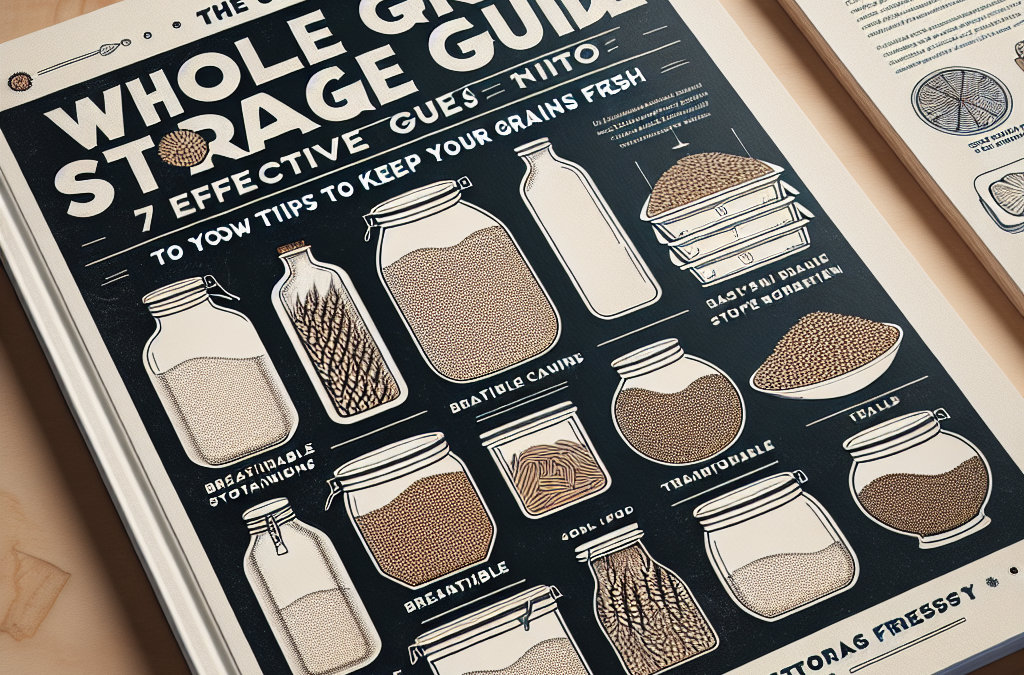
The choice of storage containers is vital for the longevity of your grains. Airtight containers can prevent moisture and pests from compromising your grain quality. Options include plastic bins with secure lids, glass jars, and metal containers, each offering different benefits.
When selecting containers, consider the size of the grain you are storing. Larger grains like rice may require bigger containers, while smaller grains like quinoa can be stored in smaller jars. Labeling each container with the type of grain and the date of storage can help you keep track of inventory and rotation.
Furthermore, avoid using cardboard boxes for long-term storage as they are susceptible to pests and moisture damage. Investing in high-quality containers may seem costly upfront but can save you from potential losses due to spoilage or contamination.
Pest Control and Moisture Management
Effective pest control is essential in maintaining the quality of your stored grains. Regular inspections of your storage area can help identify any signs of pest activity, such as droppings or damaged containers. Using natural deterrents like bay leaves can help keep pests at bay without introducing harmful chemicals.
Moisture management is equally important; grains should be stored in a dry environment. Consider using desiccants, such as silica gel packets, to absorb excess moisture inside containers. Monitoring humidity levels in your storage area can also be beneficial.
Get Whole Wheat Flour, Grains and Milling Supplies – CLICK HERE

Many individuals underestimate the impact of temperature fluctuations on grain storage. Keeping your storage area consistently cool can help prevent spoilage. If you notice any signs of dampness or mold, it’s crucial to address the issue immediately to avoid contamination of your entire grain supply.
Inventory Management and Organization
Implementing an effective inventory management system can streamline your grain storage process. Regularly updating your inventory list helps you keep track of what you have and what needs to be replenished. This can minimize waste and ensure that your grains are rotated properly.
Organizing grains by type and usage frequency can enhance accessibility. Place frequently used grains at eye level, while less commonly used varieties can be stored on higher or lower shelves. This organization not only saves time but also helps prevent spoilage by ensuring that older grains are used first.
Consider creating a visual inventory chart that you can update as you use grains. This can be a simple whiteboard or a digital spreadsheet, whichever suits your needs best. Regular checks on your inventory can also help you identify any pests or moisture issues before they become significant problems.
Further Reading
Authoritative Sources
- Iowa State University Extension and Outreach
extension.iastate.eduThis resource provides extensive information on grain storage techniques and best practices
- Food and Agriculture Organization (FAO)
fao.orgThe FAO offers guidelines and recommendations for safe grain storage and handling
Frequently Asked Questions
What materials are best for grain storage shelves?
Metal and treated wood are ideal, as they provide durability and resistance to pests.
How often should I check my grain storage?
Regular checks every few months are recommended to monitor for pests and moisture levels.
Can I use plastic containers for grain storage?
Yes, but ensure they are airtight to prevent moisture and pest infiltration.
What should I do if I find pests in my grain storage?
Remove affected grains immediately, clean the area thoroughly, and consider using natural pest deterrents.
How can I manage moisture in my grain storage?
Use airtight containers and consider adding desiccants to absorb excess moisture.
Get Whole Wheat Flour, Grains and Milling Supplies – CLICK HERE
Related Content
Auto Amazon Links: No products found.





