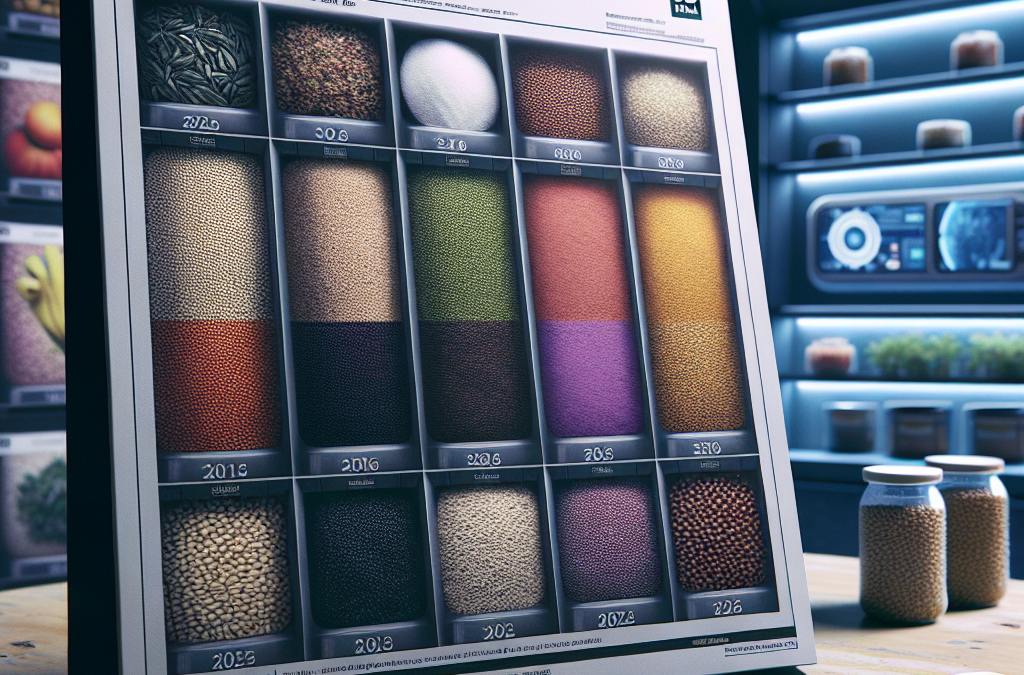
When storing organic grains, it’s important to prioritize conditions that inhibit mold growth and pest infestations. This includes selecting a cool, dry location and using containers that protect against moisture and air exposure. Failing to address these factors can lead to significant losses in both quality and quantity, resulting in waste and potentially hazardous food products.
One common mistake in long term organic grain storage is underestimating the importance of regular inspections. Grains should be checked periodically for signs of spoilage or pest activity. Additionally, it’s vital to rotate stocks to ensure older grains are used first, minimizing the risk of deterioration over time.
Choosing the Right Storage Containers
Selecting appropriate storage containers is critical for long term organic grain storage. Airtight containers made from food-grade materials help prevent moisture ingress, which can lead to mold growth and spoilage. Options include glass jars, plastic bins, and metal containers, each with their benefits and drawbacks.
For instance, glass containers are excellent for visibility and do not absorb odors, but they can be heavy and breakable. Plastic containers are lightweight and durable but may degrade over time. Metal containers offer robust protection but can rust if not coated properly. Assessing the specific needs of your storage situation will guide you to the best choice.
Additionally, consider the size of the containers in relation to your grain quantities. Overfilling containers can lead to air pockets and moisture buildup. Aim for containers that allow for some empty space to accommodate any expansion or settling of the grain.
Controlling Environmental Factors
Environmental control is vital for maintaining the integrity of stored organic grains. Key factors include temperature, humidity, and light exposure. Ideally, grains should be stored in a cool, dark place with low humidity to deter pests and prevent spoilage.
Humidity levels should be kept below 15% to minimize the risk of mold. This can be achieved by using desiccants or moisture-absorbing materials in storage areas. Regularly monitoring the temperature is also important; it should ideally be between 50°F and 70°F (10°C to 21°C). High temperatures can accelerate spoilage and attract pests.
In addition, consider using hygrometers and thermometers to continuously monitor these conditions. This proactive approach can help identify potential issues before they escalate into significant problems.
Monitoring and Maintenance Practices
Regular monitoring of stored organic grains is essential to ensure they remain in good condition. This includes visual inspections for signs of spoilage, pest activity, or moisture accumulation. Establish a routine schedule for checking the grains and maintain a log of your findings.
Additionally, it’s beneficial to implement a system for rotating your grain stock. Use the first-in, first-out (FIFO) method to ensure older grains are used before newer ones. This practice helps maintain freshness and minimizes waste.
Consider integrating technology, such as smart sensors, to automate monitoring of temperature and humidity levels. These systems can provide alerts when conditions deviate from the ideal range, allowing for quick corrective actions.
Get Whole Wheat Flour, Grains and Milling Supplies – CLICK HERE

Common Mistakes to Avoid
Avoiding common pitfalls in long term organic grain storage can save time and resources. One major mistake is using non-food-grade containers, which can leach harmful chemicals into the grains. Always select containers specifically designed for food storage.
Another frequent error is neglecting the importance of thorough cleaning before storage. Residual grains can attract pests and lead to contamination. Ensure all containers are cleaned and dried before filling them with fresh grains.
Lastly, many overlook the significance of proper labeling. Clearly label containers with the type of grain and the date of storage to facilitate effective inventory management.
Further Reading
Authoritative Sources
- USDA Grain Storage Guidelines
ams.usda.govProvides comprehensive guidelines on grain storage practices, including safety measures and quality maintenance
- Iowa State University Extension
extension.iastate.eduOffers resources on grain storage, pest management, and organic farming techniques
Frequently Asked Questions
What is the best temperature for long term organic grain storage?
The ideal temperature for long term organic grain storage is between 50°F and 70°F (10°C to 21°C) to prevent spoilage.
How do I keep pests away from stored grains?
Using airtight containers, maintaining low humidity, and regularly inspecting stored grains can help keep pests away.
Can I store grains in plastic containers?
Yes, plastic containers are suitable for storage, but ensure they are food-grade and not degraded to prevent contamination.
How often should I check my stored grains?
It’s advisable to check stored grains at least once a month for signs of spoilage or pest activity.
What should I do if I find mold in my stored grains?
If you find mold, discard the affected grains immediately to prevent contamination of other stored grains.
Conclusion
Effective long term organic grain storage requires careful attention to various factors including container selection, environmental control, and regular monitoring. By prioritizing these elements, you can ensure the quality and safety of your grains over extended periods. Focus on creating a suitable storage environment, conducting regular inspections, and avoiding common pitfalls to maximize your grain storage success. Implementing these practices will help you maintain the nutritional value and safety of your organic grains, ultimately benefiting your overall food storage strategy.
Get Whole Wheat Flour, Grains and Milling Supplies – CLICK HERE
Auto Amazon Links: No products found.