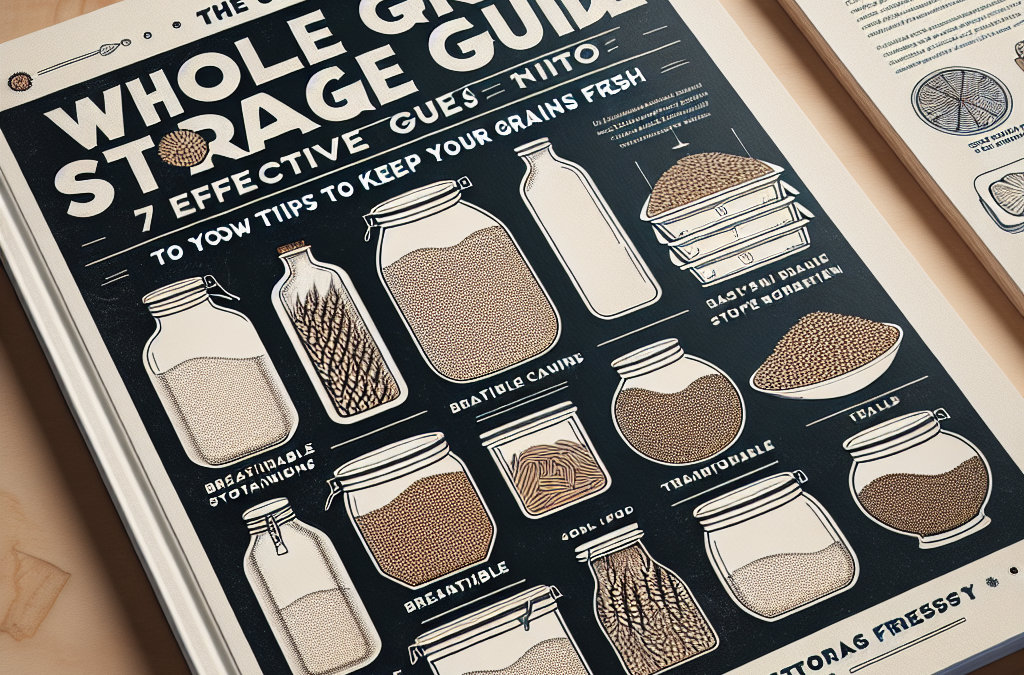
When choosing storage bins, consider factors such as material, size, and sealing mechanisms. Bins made from food-grade plastic, metal, or glass are popular choices due to their durability and resistance to moisture. Additionally, the size of the bin should align with your storage needs, whether for home use or larger-scale operations. Sealing mechanisms, such as airtight lids or gaskets, are vital for preventing air and moisture from entering the container, which can lead to spoilage.
Many people often overlook the importance of regular maintenance and monitoring of storage conditions. Even the best storage bins can fail if not properly maintained. It’s essential to periodically check for signs of moisture or insect activity and ensure that the bins are cleaned and sanitized before use. Implementing a rotation system for your stored grains can also help manage freshness and reduce waste.
Choosing the Right Material for Storage Bins
The material of your storage bin plays a critical role in preserving the quality of wheat and rice. Common options include plastic, metal, and glass, each offering distinct advantages. Plastic bins are lightweight, easy to handle, and resistant to moisture, while metal bins provide durability and pest resistance. Glass bins, though heavier, can be an excellent choice for visibility and safety, especially for smaller quantities.
When selecting a material, consider the environment where the bins will be stored. For instance, if the bins are kept in a humid area, moisture-resistant materials are essential. Additionally, ensure that any plastic used is food-grade to avoid chemical leaching that could contaminate the grains.
Another factor is the long-term durability of the material. Metal bins may be more expensive upfront but can last significantly longer than plastic options, especially in harsh conditions. Therefore, it’s vital to balance initial cost with long-term value when choosing storage bins.
Optimal Size and Capacity Considerations
Choosing the right size for storage bins is crucial for maximizing efficiency and minimizing waste. Bins should be sized according to the volume of wheat and rice you intend to store. Overfilling can lead to spoilage due to insufficient air circulation, while underfilling can result in wasted space and increased vulnerability to pests.
It’s beneficial to have a variety of sizes available, especially if you frequently rotate your stock. Smaller bins can be used for short-term storage or for specialty grains, while larger bins are appropriate for bulk storage. Consider implementing a labeling system to keep track of contents and dates, which aids in maintaining a proper rotation system.
Additionally, take into account the space you have available for storage. Bins should be easily accessible and organized to streamline the process of retrieving and storing grains. This organization not only saves time but also helps prevent accidental spoilage or contamination.
Effective Sealing Mechanisms
Airtight sealing is one of the most critical features of effective storage bins for wheat and rice. Moisture and air can lead to mold growth and spoilage, making it essential to select bins with reliable sealing mechanisms. Look for bins with rubber gaskets or locking lids that provide a tight seal against environmental elements.
In addition to airtight seals, consider bins that offer protection against pests. Some bins come equipped with built-in pest deterrents or are designed to be stackable, which can further enhance their effectiveness in keeping grains safe.
Get Whole Wheat Flour, Grains and Milling Supplies – CLICK HERE

Regularly inspect seals for wear and tear, as even minor damage can compromise the integrity of the bin. If seals are failing, replace them promptly to maintain optimal storage conditions. This proactive maintenance can save significant costs in the long run by preventing spoilage and waste.
Maintenance and Monitoring Practices
Proper maintenance of storage bins is essential for preserving the quality of wheat and rice. Regularly inspect bins for signs of moisture, pests, or damage. Cleaning bins before and after use can help eliminate any potential contaminants and ensure a safe storage environment.
Implementing a schedule for checking stored grains can help detect issues early. Look for signs such as discoloration, off smells, or visible pests. If any problems are identified, take immediate action to remove affected grains and clean the bin thoroughly.
In addition to monitoring grain conditions, consider tracking the storage environment itself. Factors such as humidity and temperature can significantly impact grain quality. Using humidity indicators or temperature logs can help maintain optimal conditions and prevent spoilage.
Further Reading
For those looking to deepen their understanding of grain storage techniques, consider exploring official agricultural resources or publications from food safety organizations. These sources can provide valuable insights into best practices and innovations in grain preservation.
Further Reading
Authoritative Sources
- MedlinePlus
medlineplus.govConsumer-friendly medical and health information from the U.S. National Library of Medicine.
- National Institutes of Health
nih.govResearch-based health information and links to authoritative medical resources.
- Centers for Disease Control and Prevention
cdc.govOfficial public health guidance, prevention resources, and topic-specific recommendations.
- Mayo Clinic
mayoclinic.orgTrusted clinical guidance, symptom explainers, and treatment overviews.
- World Health Organization
who.intGlobal health guidance, fact sheets, and evidence-based public health information.
Frequently Asked Questions
What are the best materials for storage bins for wheat and rice?
Food-grade plastic, metal, and glass are the best materials, each offering unique benefits like moisture resistance and durability.
How can I prevent pests in my grain storage bins?
Using airtight bins with proper sealing and regularly inspecting the contents can help prevent pest infestations.
What size storage bin should I use for home storage?
The size should depend on your storage needs; smaller bins are suitable for short-term use, while larger bins are better for bulk storage.
How often should I check my stored grains?
It’s advisable to check stored grains every few weeks to monitor for moisture, pests, and spoilage signs.
What sealing mechanisms are most effective for grain bins?
Bins with rubber gaskets or locking lids provide the best airtight seals to protect grains from moisture and air.
Conclusion
In closing, selecting the right storage bins for wheat and rice is crucial for maintaining grain quality and extending shelf life. Focus on materials that ensure durability and moisture resistance, choose appropriate sizes for your needs, and prioritize effective sealing mechanisms. Regular maintenance and monitoring of storage conditions will help prevent spoilage and waste, ensuring that your grains remain safe and usable for the long term. By implementing these strategies, you can significantly enhance the preservation of your stored wheat and rice, leading to better quality and less waste.
Get Whole Wheat Flour, Grains and Milling Supplies – CLICK HERE
Auto Amazon Links: No products found.