Understanding the specific requirements for dry food storage is crucial for preppers. Factors such as temperature, humidity, light, and pests can significantly affect the longevity and safety of stored foods. For example, foods like grains, legumes, and dehydrated fruits can have extended shelf lives if stored in airtight containers in a cool, dark place. Neglecting these conditions can lead to spoilage, waste, and potential food safety issues.
Common mistakes include using improper containers or neglecting to check storage conditions regularly. Airtight containers are essential to protect food from moisture and pests, while a stable temperature away from direct sunlight is vital. Preppers should also regularly rotate their food supplies and conduct inventory checks to avoid expiration and waste.
Understanding Dry Food Storage Basics
Dry food storage involves keeping foods like grains, beans, and dehydrated products in conditions that extend their shelf life. The ideal temperature for storage is between 50°F and 70°F, with humidity levels below 15%. Understanding these basics helps preppers maintain food quality and safety.
Prepping for food storage means not only selecting the right foods but also assessing their individual storage needs. For example, while white rice can last up to 30 years when stored correctly, whole grains like brown rice have a shorter shelf life due to higher oil content. Prioritizing foods based on their longevity and nutritional value is essential for effective prepper strategies.
Another critical factor is the importance of labeling and dating all stored items. This simple step prevents confusion and helps you track which items need to be used first, ensuring that you have a well-organized pantry.
Choosing the Right Containers
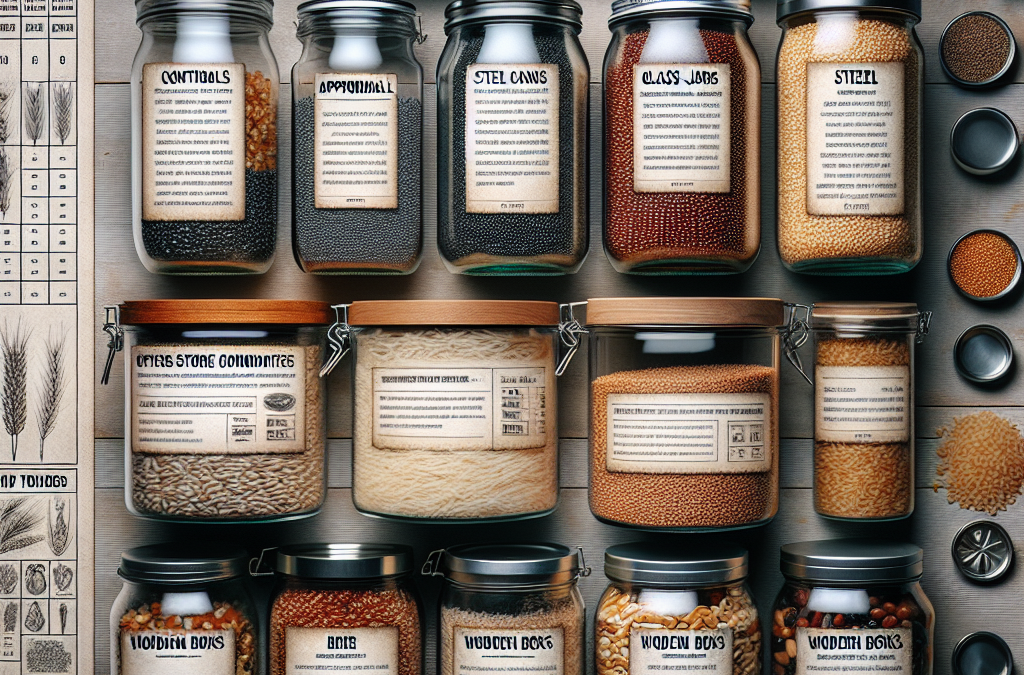
Using the right containers is vital for effective dry food storage. Airtight containers made of glass, food-grade plastic, or metal can protect food from moisture, pests, and light. Vacuum-sealing is also an effective method for long-term storage.
When selecting containers, consider the food type and expected storage duration. For example, mylar bags with oxygen absorbers are excellent for grains and legumes, while glass jars are ideal for dried fruits and nuts. Avoid using containers that previously held non-food items, as residues can compromise food safety.
Additionally, ensure that all containers are clean and dry before use. Even minor moisture can lead to spoilage, so thorough preparation is essential. Regularly inspect your containers for any signs of wear or damage, and replace them as necessary to maintain food safety.
Optimal Conditions for Long-Term Storage
To maximize the shelf life of dry foods, maintaining optimal storage conditions is crucial. Ideal storage environments should be cool, dark, and dry. A temperature-controlled pantry or basement is often the best choice.
Humidity control is another key aspect. Using desiccants or moisture absorbers can help keep humidity levels low in storage areas, especially in climates prone to moisture. Regularly checking humidity levels with a hygrometer can provide insights into the effectiveness of your storage methods.
Light exposure can also degrade food quality over time. Storing food in opaque containers or in dark locations will help preserve nutrients and prevent spoilage. This attention to storage conditions can significantly enhance the longevity and safety of your food supplies.
Get Whole Wheat Flour, Grains and Milling Supplies – CLICK HERE

Common Mistakes to Avoid
One of the most common mistakes in dry food storage is neglecting to rotate supplies. Preppers should follow the FIFO method (First In, First Out), ensuring that older items are used before newer ones. This practice minimizes waste and maximizes the freshness of stored food.
Another pitfall is failing to monitor storage conditions regularly. Temperature and humidity can fluctuate, potentially compromising food safety. Implementing a consistent check-in schedule can help catch issues before they lead to spoilage.
Ultimately, avoid overpacking containers. Leaving some air space helps maintain freshness and allows for easier inspection of contents. By being mindful of these common mistakes, preppers can significantly enhance their food storage strategies.
Further Reading
Authoritative Sources
- United States Department of Agriculture
usda.govThis resource provides guidelines on food storage and safety, ensuring proper preservation techniques
- FoodSafety.gov
foodsafety.govOffers vital information on food safety practices and storage recommendations
- National Agricultural Library
nal.usda.govA comprehensive resource for agricultural information, including food preservation techniques
Frequently Asked Questions
What types of containers are best for dry food storage?
Airtight containers made of glass, food-grade plastic, or metal are ideal, as they protect against moisture, pests, and light.
How long can dry foods be stored?
Depending on the food type, dry foods can last from several months to many years; for example, white rice can last up to 30 years if stored correctly.
What is the ideal temperature for storing dry foods?
The ideal temperature for dry food storage is between 50°F and 70°F, with lower humidity levels for optimal preservation.
How can I tell if my stored food is still safe to eat?
Check for signs of spoilage such as off smells, discoloration, or insect activity. If in doubt, it’s best to discard the food.
What should I avoid when storing dry foods?
Avoid using improper containers, neglecting storage conditions, and overpacking containers, as these can lead to spoilage and waste.
Conclusion
Effective dry food storage is essential for preppers aiming to ensure food safety and minimize waste. By understanding the basics of food preservation, choosing appropriate containers, and maintaining optimal storage conditions, preppers can significantly extend the shelf life of their supplies. Prioritizing these strategies, avoiding common mistakes, and regularly monitoring storage conditions will help you maintain a well-stocked and safe food supply for any situation. Start implementing these practices today to secure your food storage efforts.
Get Whole Wheat Flour, Grains and Milling Supplies – CLICK HERE
Related Content
- Food Storage Using Mylar Bags: Best Practices for Preserving Dry Goods
- What food to store and a word on food calculators.
- Top 10 Tips for Perfect Preparedness Food Bucket Storage in 2025
- Preparing for Food Shortages: Practical Steps to Secure Your Family’s Future
- The Ultimate Guide to Grain Storage and Safety: 7 Proven Strategies for 2025
Auto Amazon Links: No products found.