
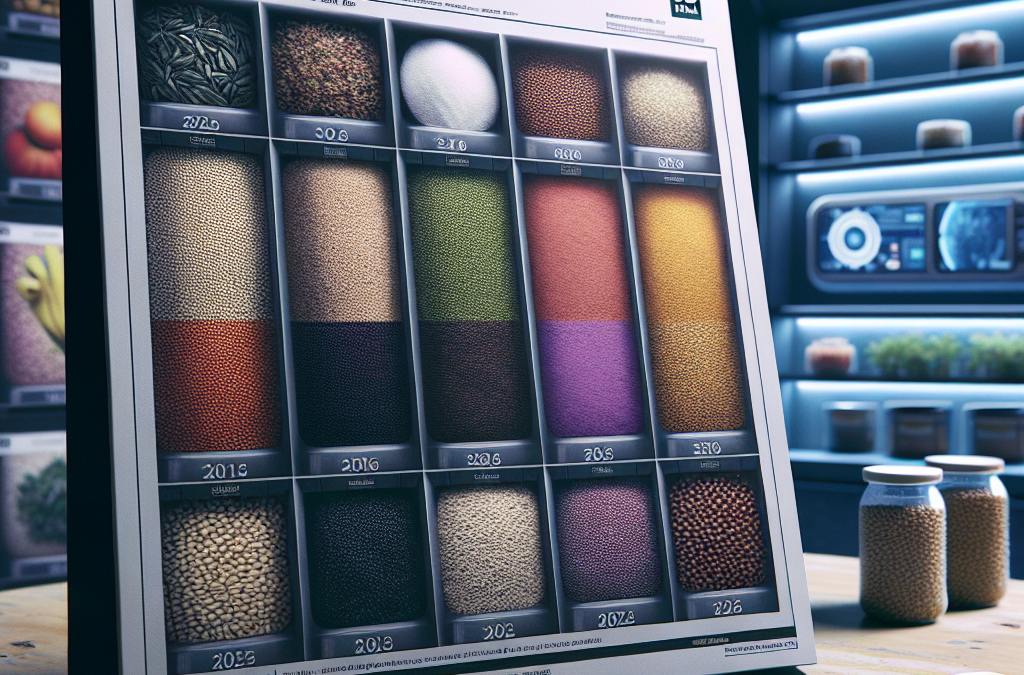
Grains for food preparedness are essential for creating a sustainable emergency food supply. Key varieties include rice, quinoa, and oats, each offering unique benefits and long shelf lives. For instance, white rice can last up to 30 years when stored correctly, while quinoa provides a complete protein source. To maximize the longevity of these grains, store them in airtight containers in a cool, dry environment, which helps prevent spoilage and pest infestations. By understanding the characteristics of different grains, you can make informed choices that enhance your preparedness strategy.
Understanding the Importance of Grains in Food Preparedness
Grains play a crucial role in food preparedness due to their long shelf life, nutritional density, and versatility in cooking. They serve as a primary source of carbohydrates, essential for energy, and are often rich in proteins, vitamins, and minerals. In emergency situations, having a stockpile of grains ensures access to sustenance, making them an invaluable part of any preparedness plan.
Moreover, grains can be easily incorporated into a variety of meals, allowing for diverse dietary options. This adaptability is particularly important during times of crisis when food variety may be limited. By prioritizing grains, individuals can create a balanced diet that sustains them through challenging circumstances.
Top Grains for Food Preparedness
When selecting grains for food preparedness, consider the following popular options:
- Rice: A staple in many cultures, rice is easy to store and cook. White rice has a shelf life of up to 30 years when stored properly, while brown rice lasts about six months due to its higher oil content.
- Quinoa: This protein-rich grain is gluten-free and contains all nine essential amino acids. Quinoa can last for about 2-3 years when stored in a cool, dry place.
- Oats: Rolled and steel-cut oats are excellent sources of fiber and can last up to 30 years. They are versatile and can be used in both sweet and savory dishes.
- Barley: Known for its high fiber content, barley is great for soups and stews. When stored correctly, it can last for 1-2 years.
- Wheat: Whole wheat berries can last up to 30 years and can be ground into flour for baking. This versatility makes wheat a valuable addition to any preparedness stockpile.
Each of these grains brings unique nutritional benefits and culinary uses, making them essential for a well-rounded food preparedness plan.
Effective Storage Techniques for Grains
Proper storage of grains is critical to maximize their shelf life and maintain nutritional quality. Here are some effective techniques:
First, use airtight containers to prevent moisture and pests from compromising the grains. Mylar bags with oxygen absorbers or food-grade buckets are excellent options. Additionally, store grains in a cool, dark place, as exposure to light and heat can degrade their quality over time. A temperature below 70°F is ideal for long-term storage.
Another important aspect is to label containers with the type of grain and the date of storage. This practice helps in tracking the shelf life and ensures that older grains are used first, reducing waste. Regularly check your grain supply for signs of spoilage or pest activity, and rotate your stock to keep your emergency supply fresh.
Common Mistakes in Grain Preparation and Storage
Many individuals make mistakes that can lead to wasted food or inadequate nutrition in their preparedness plans. One common error is not considering the grain type when planning storage; for instance, failing to account for the shorter shelf life of brown rice compared to white rice can lead to spoilage.
Another mistake is neglecting to prepare grains properly before consumption. Some grains, like quinoa, require rinsing to remove saponins that can impart a bitter flavor. Additionally, underestimating the need for a balanced diet can result in nutritional deficiencies during prolonged emergencies. It’s essential to include a variety of grains and other food groups in your preparedness stockpile to ensure comprehensive nutrition.
Get Whole Wheat Flour, Grains and Milling Supplies – CLICK HERE

Frequently Asked Questions
What types of grains are best for long-term storage?
Rice, quinoa, oats, barley, and wheat are among the best grains for long-term storage due to their shelf life and nutritional value.
How should grains be stored for maximum shelf life?
Store grains in airtight containers in a cool, dark place to prevent moisture and pests, ensuring they last longer.
Can grains go bad, and how can I tell?
Yes, grains can spoil. Signs of spoilage include an off smell, discoloration, or the presence of pests. Regularly check your stored grains.
How do I prepare grains before cooking?
Rinse grains like quinoa to remove saponins before cooking. Follow specific cooking instructions for each grain type to ensure optimal texture and flavor.
What common mistakes should I avoid in grain storage?
Avoid neglecting the shelf life of different grains and ensure proper preparation before consumption to prevent nutritional deficiencies.
Conclusion
Grains are essential for food preparedness due to their nutritional value, versatility, and long shelf life. By choosing a variety of grains like rice, quinoa, and oats, and employing effective storage techniques, you can ensure a reliable food supply during emergencies. Avoid common mistakes such as overlooking storage conditions and neglecting proper preparation to maximize the benefits of your grain stockpile. Prioritize grains in your preparedness plan to maintain energy and health during critical times.
Get Whole Wheat Flour, Grains and Milling Supplies – CLICK HERE
Related Content
Auto Amazon Links: No products found.
Further Reading
Authoritative Sources
- Ready.gov Preparedness Guidance
ready.govFederal preparedness guidance for household planning, alerts, supplies, and emergencies.
- American Red Cross Emergency Preparedness
redcross.orgEmergency preparedness resources for families, disasters, and practical safety planning.
- FEMA Preparedness Resources
fema.govNational preparedness resources for planning, mitigation, and response readiness.





