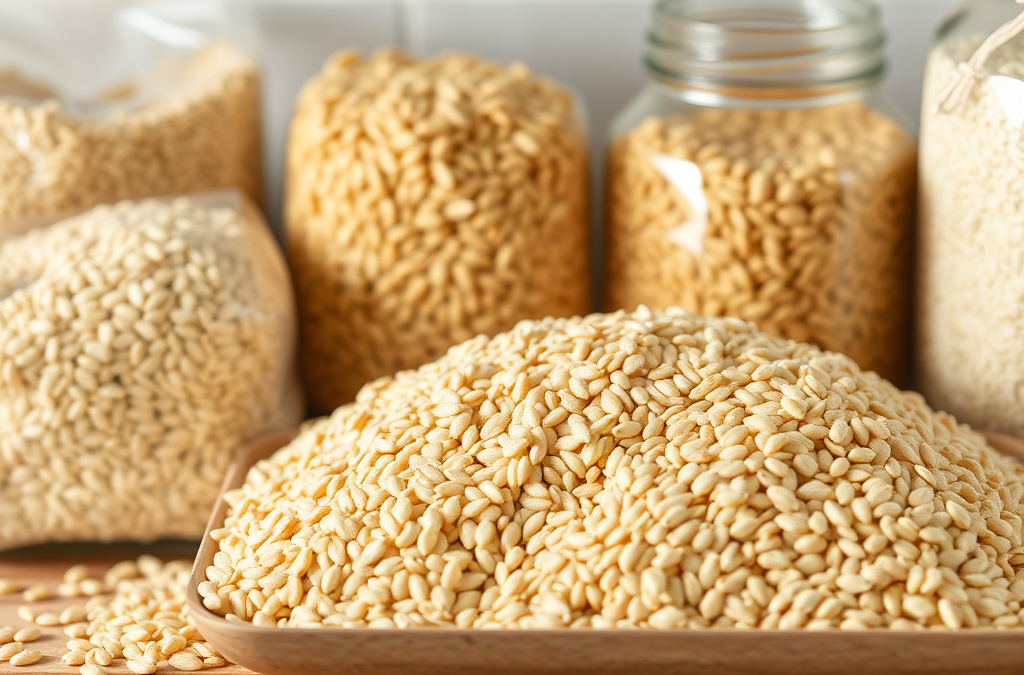
To organize grains for easy access, categorize them by type, store them in transparent containers, and label each container clearly. This approach minimizes confusion and allows for quick retrieval, ensuring you can find what you need without rummaging through a disorganized space. Additionally, consider placing frequently used grains at eye level and storing less common varieties higher or in less accessible areas.
Choosing the Right Storage Containers
Effective grain organization starts with selecting the appropriate storage containers. Clear, airtight containers are ideal as they allow you to see the contents at a glance while protecting the grains from moisture and pests. Glass or high-quality plastic containers are often preferred for their durability and safety. It’s essential to choose sizes that fit your storage space and the quantity of grains you typically use. For example, larger containers may be suitable for bulk grains like rice or oats, while smaller ones can be used for specialty grains like quinoa or millet.
Additionally, consider using stackable containers to maximize vertical space in your pantry or storage area. This organization method not only saves space but also makes it easier to maintain order. A common mistake is using mismatched or opaque containers, which can lead to confusion and wasted time searching for specific grains.
Categorizing Grains for Efficiency
Categorizing grains is crucial for a user-friendly storage system. Group grains by type, such as whole grains, refined grains, and specialty grains. You might also consider organizing them by usage frequency; for example, place everyday staples like rice and pasta in easily accessible areas, while storing less frequently used grains, like farro or barley, in higher or less visible spots.
Another effective method is to categorize grains based on their cooking times or nutritional content. This approach allows you to quickly find the right grain for your meal prep without having to sift through various types. For instance, keep quick-cooking grains like couscous separate from those that require longer preparation times, like brown rice.
Labeling and Visibility Strategies
Labeling your containers is a key step in ensuring that your grain organization system works smoothly. Use clear, legible labels that indicate not only the type of grain but also the date of purchase or expiration when possible. This practice helps you keep track of freshness and use older grains first, reducing waste.
Consider using color-coded labels or a consistent labeling system that makes sense for your kitchen. For instance, you might use one color for whole grains and another for refined grains. In addition to labeling, placing frequently used items at eye level and less common grains on higher shelves can significantly enhance accessibility.
Maintaining Grain Freshness and Quality
Once you have organized your grains, it’s vital to maintain their freshness and quality. Store grains in a cool, dry place away from direct sunlight, which can degrade their quality over time. Regularly check your stored grains for signs of spoilage, such as discoloration or an off smell, and rotate your stock to ensure older items are used first.
Another aspect to consider is the use of desiccants or oxygen absorbers in your containers to further prolong shelf life. This is particularly beneficial for grains that are sensitive to moisture. Be mindful of the balance between accessibility and preservation; ensure that your storage methods allow you to enjoy the full benefits of your grains without compromising their quality.
Get Whole Wheat Flour, Grains and Milling Supplies – CLICK HERE

Frequently Asked Questions
What types of containers are best for storing grains?
Airtight, clear containers made of glass or high-quality plastic are ideal for storing grains. They protect against moisture and pests while allowing visibility.
How should I categorize my grains?
Grains can be categorized by type (whole, refined, specialty), frequency of use, or cooking times to enhance organization and accessibility.
Why is labeling important in grain storage?
Labeling helps identify the contents and track expiration dates, ensuring you use older grains first and reduce food waste.
How can I maintain the freshness of my grains?
Store grains in a cool, dry place away from sunlight, and consider using desiccants to absorb moisture. Regularly check for signs of spoilage.
What is a common mistake in grain organization?
A common mistake is using mismatched or opaque containers, which can lead to confusion and difficulty in accessing the desired grains.
Further Reading
Authoritative Sources
- How to Organize Your Pantry So It's Easy to Use and Keep ...
organizeeveryroom.comTo organize your pantry, start by removing food you will not use, grouping what remains, and giving each category a clear home. Keep everyday ...
- 20 Easy Ideas for Pantry Organization That Actually Make Life ...
ujushaven.comThink vertical storage with shelf risers, over-the-door racks, or stackable bins to maximize space. Even a tiny “use first” bin for items ...