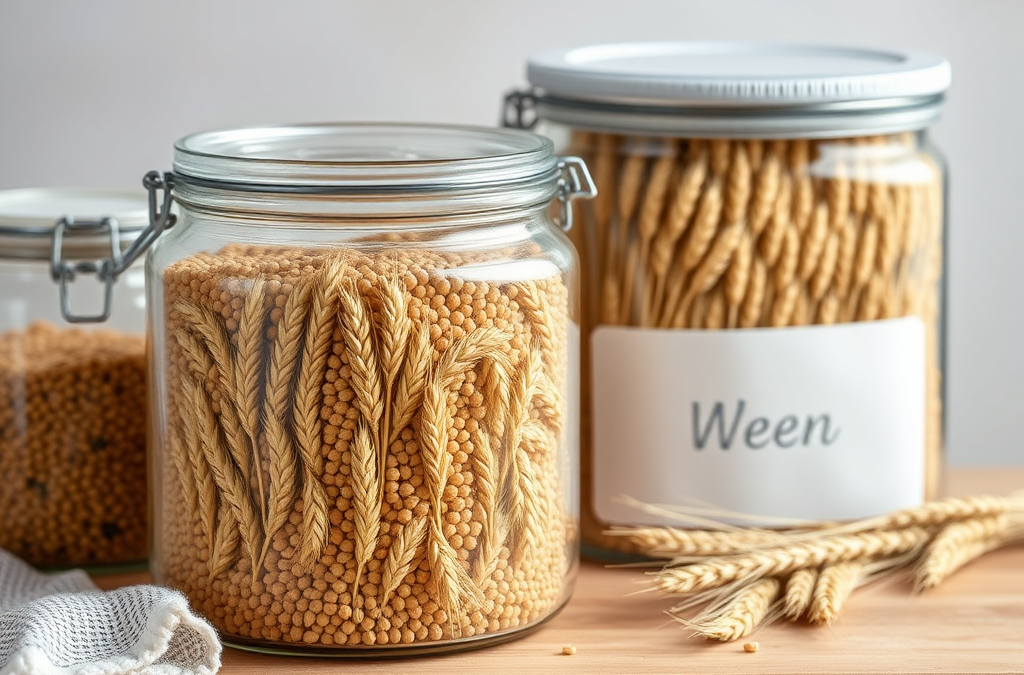
Storing wheat in sealed containers is vital for preserving its quality and extending its shelf life. Airtight containers effectively block moisture, pests, and oxygen, which can lead to spoilage and nutrient degradation. Opt for food-grade materials like glass or heavy-duty plastic, ensuring they have secure lids to maintain a tight seal. It's essential to store the containers in a cool, dark, and dry environment to prevent light and heat from accelerating deterioration. Regularly check the stored wheat for signs of pests or spoilage to ensure it remains safe and nutritious for consumption.
Understanding the Importance of Sealed Storage
Sealing wheat in containers is crucial for preserving its integrity and nutritional value over time. Exposure to air, moisture, and pests can cause wheat to spoil, leading to rancidity and loss of essential nutrients. Airtight storage minimizes these risks, ensuring that the wheat remains safe and nutritious for consumption.
When stored properly, wheat can last for years without significant degradation. The storage environment plays a significant role; it should be cool and dark, as light and heat can accelerate the deterioration process. Additionally, sealed containers keep out pests like weevils, which can infest grains and compromise quality.
Choosing the Right Containers for Wheat
When selecting containers for storing wheat, it’s essential to consider materials that are airtight and food-safe. Common options include glass jars, food-grade plastic buckets, and metal bins with tight-fitting lids. Glass is an excellent choice as it is non-reactive and does not retain odors, while plastic is lightweight and generally more affordable.
Ensure that any container chosen has a secure lid that creates a tight seal. This prevents air from entering and moisture from condensing inside. Containers should also be opaque or stored in a dark place to protect the wheat from light exposure, which can degrade its quality.
Best Practices for Storing Wheat
To maximize the shelf life of wheat, follow these best practices: First, clean and dry the wheat thoroughly before storage. Any moisture can lead to mold growth, which can ruin the entire batch. Second, label each container with the date of storage and the type of wheat, so you can keep track of freshness.
Store the containers in a cool, dry place, ideally at temperatures between 50°F and 70°F (10°C to 21°C). Regularly check the containers for signs of moisture or pest activity. If you notice any issues, it’s best to address them immediately to prevent further contamination.
Common Mistakes to Avoid
One of the most common mistakes in storing wheat is using inadequate containers that do not provide a proper seal. This can lead to exposure to air and moisture, resulting in spoilage. Additionally, failing to monitor storage conditions can allow the temperature and humidity to rise, further compromising the quality of the wheat.
Another mistake is overpacking containers, which can restrict airflow and trap moisture. It’s important to leave some space in the container to allow for any expansion or changes that may occur. Lastly, neglecting to rotate your stock can lead to older wheat being stored longer than recommended, which may affect its quality over time.
Frequently Asked Questions
How long can wheat be stored in sealed containers?
When stored properly in sealed containers, wheat can last for 10 to 30 years, depending on the type and storage conditions.
What type of container is best for storing wheat?
Food-grade plastic buckets, glass jars, and metal bins with airtight seals are ideal for storing wheat.
Should wheat be cleaned before storage?
Yes, cleaning and drying the wheat before storage helps prevent mold growth and pest infestations.
Is it necessary to store wheat in a dark place?
Yes, storing wheat in a dark place helps prevent light exposure, which can degrade its quality over time.
Can I store different types of wheat together?
It is advisable to store different types of wheat separately to maintain their unique qualities and prevent cross-contamination.
Conclusion
Storing wheat in sealed containers is vital for long-term preservation, ensuring that it remains nutritious and safe for consumption. By choosing appropriate containers, following best practices, and avoiding common mistakes, you can effectively extend the shelf life of your wheat. Regular monitoring and proper storage conditions will help maintain its quality, allowing you to enjoy this essential grain for years to come.
Get Whole Wheat Flour, Grains and Milling Supplies – CLICK HERE

Auto Amazon Links: No products found.