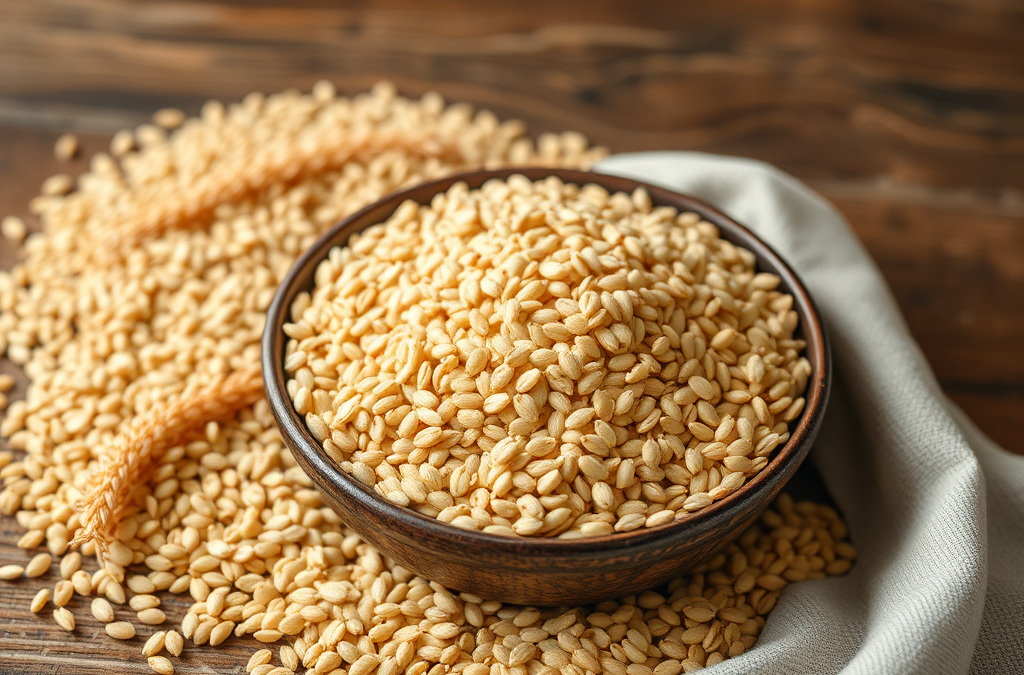
To maintain grain freshness in changing climates, implement controlled storage conditions, use airtight containers, and monitor humidity levels. Proper ventilation and temperature control are crucial to prevent spoilage and pest infestations. Regularly inspect stored grains for signs of moisture or insect damage, and rotate stock to ensure older grains are used first. These practices significantly enhance grain longevity and quality.
Understanding the Impact of Climate on Grain Freshness
Grain freshness is significantly affected by environmental factors, particularly temperature and humidity. In warmer climates, grains are more susceptible to spoilage due to increased moisture content and the proliferation of pests. Understanding these dynamics is essential for effective storage management. For instance, high humidity can lead to mold growth, while low humidity might cause grains to dry out excessively, affecting their quality.
Furthermore, fluctuations in temperature can cause condensation inside storage containers, creating a breeding ground for insects and fungi. Therefore, it is crucial to evaluate the specific climate conditions of your region and adapt storage strategies accordingly. This may involve investing in climate control technology or selecting specific grain types that are more resilient to local conditions.
Best Storage Practices for Different Climates
Implementing the right storage practices is vital for maintaining grain freshness across various climates. In humid areas, using airtight containers can prevent moisture ingress. Materials such as Mylar bags or vacuum-sealed containers are excellent choices as they provide a barrier against humidity and pests.
For regions with extreme temperatures, consider temperature-controlled storage solutions. Insulated grain bins or silos can help maintain a stable environment, reducing the risk of spoilage. Additionally, regularly rotating your grain stock is essential; older grains should be used first to minimize the risk of deterioration.
In arid climates, ensure that grains are not exposed to direct sunlight, as this can lead to overheating and quality loss. Instead, store grains in shaded areas or use reflective tarps to mitigate heat absorption. Regular inspections will help identify any potential issues early, allowing for timely interventions.
Monitoring and Managing Humidity Levels
Humidity control is a critical component of grain preservation. The ideal moisture content for most grains ranges between 12% to 14%. Maintaining this level can prevent spoilage and ensure optimal freshness. Utilize hygrometers to monitor humidity levels within storage areas, and take proactive measures if levels rise above 14%.
Methods to manage humidity include using desiccants or moisture-absorbing materials within storage containers. Additionally, ensure proper ventilation in storage areas to facilitate airflow, which can help regulate humidity levels. If moisture is detected, consider drying the grains using a grain dryer or spreading them out in a well-ventilated area until they reach the desired moisture content.
Regular inspections are crucial; check for signs of condensation, mold, or insect activity. If detected, take immediate action to rectify the situation, as delays can lead to significant losses.
Common Mistakes in Grain Storage
Many grain handlers make mistakes that can compromise grain freshness. One common error is neglecting regular inspections of stored grains. Failing to check for signs of spoilage, pests, or moisture can lead to extensive damage before problems are detected.
Another mistake is using inappropriate storage materials. For example, plastic containers may not provide adequate protection against moisture compared to airtight containers. Additionally, overloading storage bins can restrict airflow, leading to increased humidity and spoilage risk.
Get Whole Wheat Flour, Grains and Milling Supplies – CLICK HERE

To avoid these pitfalls, establish a routine for inspecting grain storage areas and ensure that all materials used for storage are suitable for the specific grains and climate conditions. Educating yourself on best practices for grain preservation is essential to avoid costly mistakes.
Frequently Asked Questions
What is the ideal humidity level for storing grains?
The ideal humidity level for storing grains is between 12% to 14%. Maintaining this range helps prevent spoilage and ensures freshness.
How often should I inspect stored grains?
It is recommended to inspect stored grains every few weeks to catch any signs of spoilage or pest activity early.
What types of containers are best for grain storage?
Airtight containers, such as Mylar bags or vacuum-sealed bins, are best as they prevent moisture and pest ingress.
Can temperature fluctuations affect grain quality?
Yes, temperature fluctuations can cause condensation, leading to mold growth and pest infestations, which negatively impact grain quality.
What should I do if I find mold in my stored grains?
If you find mold, remove the affected grains immediately and assess the remaining stock for moisture levels and signs of spoilage.
Conclusion
Maintaining grain freshness in changing climates requires careful attention to storage conditions, humidity levels, and regular inspections. By implementing best practices such as using airtight containers, controlling humidity, and avoiding common mistakes, you can significantly enhance the preservation of your grains. Stay proactive in monitoring your storage environment, and adapt your strategies based on climate conditions to ensure your grains remain fresh and of high quality.
Get Whole Wheat Flour, Grains and Milling Supplies – CLICK HERE
Auto Amazon Links: No products found.